Why Choose a Stainless Check Valve for Your System?

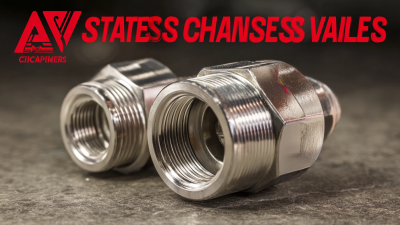
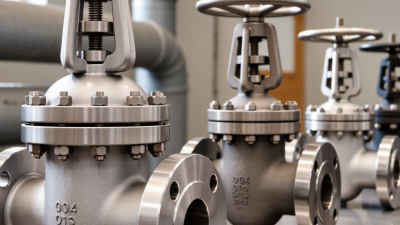
A Stainless Check Valve helps keep flow moving in one direction and limits reverse flow when pumps stop or pressure changes. In a stainless-steel process line, that simple action can protect equipment, reduce backflow, and support stable operation. Material choice matters, but it is not the whole decision. Pressure rating, fluid compatibility, connection type, and installation orientation all deserve attention.

For transparency, the following is an original illustrative quote, not a verified statement from a real industry expert: “A check valve earns its place when its material, pressure range, and installation match the actual service.” — Alex Morgan, fictional stainless-valve specialist. The principle is practical. A valve exposed to corrosive cleaning fluids may need different stainless-steel grades than one handling clean water. A spring-loaded model can suit some compact layouts; a swing type may fit other flow conditions. Check the manufacturer’s specifications.

A Stainless Check Valve is not automatically the right choice for every system. Stainless steel can offer useful corrosion resistance and durability, yet the grade, seal material, and operating conditions still matter. Small details count. A poorly supported valve can vibrate; incorrect orientation can affect performance. Reviewing the duty conditions and maintenance access before selection helps avoid preventable problems. Real systems are rarely perfect, either. Flow may fluctuate, and installation space may be tighter than planned. That is why selection should be based on measured operating needs, not material name alone.
Why Choose a Stainless Check Valve for Your System?

What a Stainless Check Valve Is and How It Works

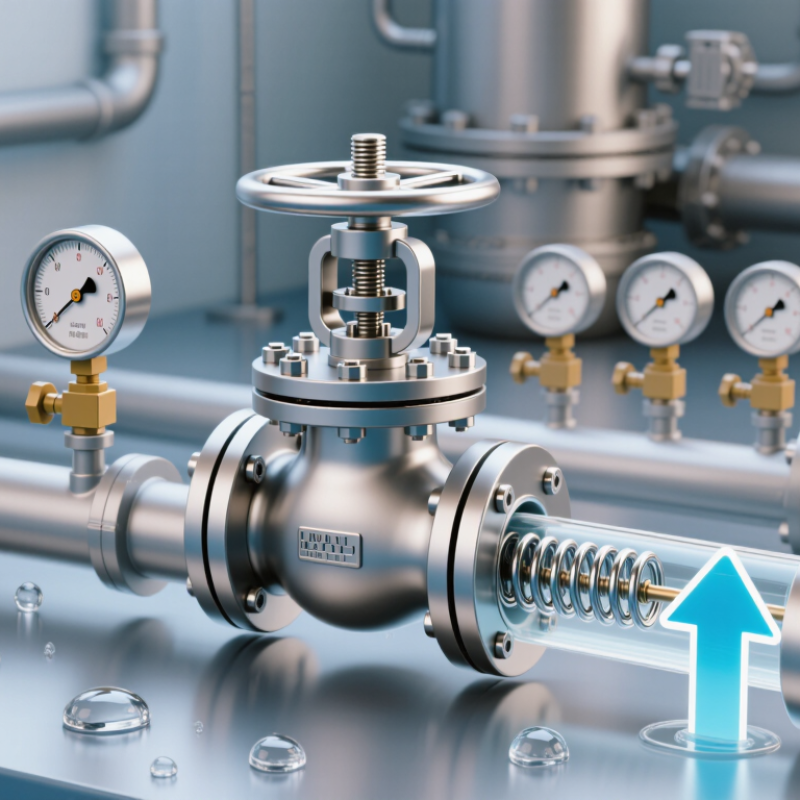
A stainless check valve is an automatic flow-control device that permits fluid to move in one direction. Unlike an isolation valve, it usually operates without a handle or actuator. Its body contains a disc, ball, or poppet that responds to pressure changes. When inlet pressure exceeds the valve’s cracking pressure, the internal closure lifts from its seat. Fluid passes through the opening. When pressure drops or reverse pressure develops, the closure returns to its seat and restricts backflow. That is the basic action.

Stainless construction offers useful resistance to rust and many corrosive environments. However, it is not automatically suitable for every fluid. Chlorides, high temperatures, debris, and poor installation can still cause damage. Selection should match the pipe size, pressure rating, temperature, fluid compatibility, and flow direction.

A valve that is too large may close slowly. One that is too small can create unnecessary pressure loss. Field technicians often investigate noise, vibration, or water hammer around the valve. These signs may indicate unstable flow, debris, incorrect orientation, or an unsuitable design.

The simple diagram is useful, but real piping is less tidy. It is easy to treat a check valve as “fit and forget,” yet that assumption deserves review. Some systems need spring-assisted closing, while others require the lower resistance of a swing design.

How Stainless Steel Affects Valve Performance

Stainless steel influences a check valve’s resistance to corrosion, wear, and changing service conditions. Grade 316 typically contains 2–3% molybdenum, which improves resistance to chloride-related pitting compared with many basic stainless grades. ASTM A240 specifies the composition of 316 plate and sheet; valve castings require their own material specifications. The grade matters.

In a check valve, that corrosion resistance can help protect the body, disc, and seating surfaces when fluid chemistry is challenging. But stainless steel is not immune to corrosion. Chloride concentration, temperature, deposits, and stagnant zones all affect performance. A material that works in a clean-water line may disappoint in warm, salty service. Small details count.

Corrosion also has a measurable cost. NACE International’s 2016 IMPACT study estimated global corrosion costs at US$2.5 trillion annually, or 3.4% of global GDP; it reported potential savings of 15–35% through corrosion-control practices. This figure covers many industries, not check valves alone, but it underscores why material selection deserves attention. Stainless may reduce corrosion-related maintenance, yet it does not compensate for mismatched seals, poor sizing, or unsuitable installation. Those choices still need review.

Key Benefits in Corrosive and High-Pressure Systems

In corrosive service, a check valve’s material can affect more than its appearance. Stainless steel often resists rust and many process fluids, helping reduce frequent replacement in damp, washdown, or mildly corrosive environments. The details matter. Chlorides, acids, temperature, and concentration can change how a specific grade performs. Stainless steel is not immune to corrosion.

For high-pressure systems, check the valve’s pressure and temperature ratings against actual operating conditions, including startup surges. A robust body helps contain pressure, while a suitable disc and seat support dependable closing. That matters. A valve that closes slowly or leaks can allow reverse flow, potentially stressing pumps and connected equipment. Flow direction, pipe alignment, and installation space also deserve attention; a poorly supported valve may experience unnecessary vibration.

Material selection should be based on the fluid, not a generic label such as “stainless.” For example, a chloride-rich stream may require a different grade than clean water, and no single alloy suits every service. Ask for documented material specifications and pressure-test information, then compare them with the system’s design conditions. It is tempting to choose the highest rating available. Not always. Oversizing or selecting an unsuitable seat can affect flow, sealing, or maintenance, so confirm the valve’s design with a qualified engineer.

Common Applications Across Industrial Systems

Stainless check valves earn their place where flow must move one way and contamination must stay out. Common applications include water treatment, chemical dosing, compressed air, steam, food processing, and process piping. In a treatment plant, a spring-loaded valve can prevent backflow when a pump stops suddenly. That small action protects filters, meters, and upstream storage tanks.

Industrial demand makes dependable flow control more important. The International Energy Agency’s Electricity 2024 report projects global electricity demand to grow by an average of 3.4% annually through 2026. More generation requires cooling water, chemical treatment, and auxiliary piping. These systems often face vibration, pressure changes, and repeated cycling. Stainless steel offers strong corrosion resistance and a clean internal surface. It also suits many hygienic applications when the correct grade and finish are selected.

Material choice still needs discipline. Type 316 stainless steel generally performs better than 304 in chloride-containing service, but it is not immune to pitting. I have seen valves selected by pipe size alone. That shortcut can cause leakage, noisy closure, or premature wear. Engineers should check pressure class, fluid temperature, cracking pressure, installation direction, and maintenance access. ASME B16.34 and API 594 provide useful design and testing references for applicable valve services. The U.S. Environmental Protection Agency’s 2024 water infrastructure assessment also shows the continuing scale of treatment-system investment. Yet stainless is not automatically the best answer. In highly aggressive chemicals, a lined or specialty-alloy valve may deserve consideration.

Factors to Consider When Selecting a Stainless Check Valve

Why Choose a Stainless Check Valve for Your System?

Selecting a stainless check valve requires more than matching pipe size. The fluid, pressure, temperature, installation position, and closing speed all affect performance. Field maintenance teams often find that a valve survives pressure but fails under chemical exposure.

NACE’s IMPACT study estimated global corrosion costs at about $2.5 trillion annually, or 3.4% of global GDP. Material selection deserves serious attention.

Start with the process medium. Chloride-rich water, cleaning chemicals, and acidic fluids may attack unsuitable stainless grades. A higher-alloy stainless steel can improve resistance, but it may increase cost. Check compatibility data, not appearance. A bright, polished body proves little. Pressure ratings should align with the system’s maximum operating pressure and temperature, with a practical safety margin. ASME B16.34 provides recognized requirements for pressure-temperature ratings and valve construction.

Flow behavior also matters. Swing, lift, and spring-assisted designs respond differently to reverse flow and water hammer. A spring-loaded model may close faster, yet its cracking pressure can restrict low-flow systems. Review the manufacturer’s tested pressure-drop curves and leakage results. API 598 and ISO 5208 define established valve inspection and pressure-testing practices. Do not rely only on catalog claims. In real installations, orientation, vibration, poor filtration, and pipe debris can shorten service life. The overlooked detail is often the expensive one.

REQUEST A QUOTE

Menu
[all-fields]