2026 Best Valve Distributors for Global Buyers?
Choosing the right Valve Distributors in 2026 requires more than comparing prices or browsing polished websites. Global buyers need dependable supply, verified product quality, responsive engineering support, and clear documentation. A distributor may promise fast delivery. Yet the real test appears when a critical valve is needed at a remote plant.
Greg Johnson, a respected valve-industry educator and editor of Valve Magazine, has emphasized, “The valve industry is a people business.” That observation remains important for international procurement teams. Strong relationships often reveal how distributors manage drawings, pressure ratings, material certificates, inspection reports, and urgent replacement requests. These details matter beside a steel pipeline, where a missing certificate can delay installation for days.
This 2026 guide examines Valve Distributors serving industrial buyers across major markets. It considers manufacturer authorization, inventory depth, technical expertise, export experience, and after-sales service. It also reviews practical concerns, including lead times, landed costs, regional warehouses, and communication across time zones. The best suppliers should support industries such as oil and gas, water treatment, power generation, chemical processing, and manufacturing.
No ranking is perfect. Market conditions change, and a distributor strong in Europe may not suit a mining project in South America. Buyers should still verify certifications, references, and current stock before placing an order. That extra step feels slow. It can prevent expensive mistakes.

What Defines a Reliable Valve Distributor in 2026?
A reliable valve distributor in 2026 must offer more than a broad product list. Global buyers need verified traceability, accurate technical advice, and dependable after-sales support. Grand View Research estimates the industrial valves market could reach about USD 101 billion by 2030, with steady growth from 2024 onward. This expansion increases choice, but also increases sourcing risk.
A dependable distributor should provide material certificates, pressure-test records, product drawings, and clear delivery terms. Engineers should understand media compatibility, temperature limits, pressure classes, and actuation requirements. ISO 9001 certification helps, but it is not enough. A polished certificate cannot replace a documented inspection process. Buyers should also review complaint handling, spare-part availability, and response times across different time zones.
Tips: Ask for one recent inspection package before placing a large order. Check whether serial numbers match the certificates. Request a sample delivery schedule, not only a sales promise. Fortune Business Insights projects continued industrial valve growth through 2032, driven by water treatment, energy, and process industries. Yet forecasts can look cleaner than real projects. Delays happen. Specifications change. A distributor’s honesty during these moments may matter more than its lowest quotation. Personally, I would compare technical evidence before comparing price. That step is often skipped.
Which Valve Types and Industries Does Each Distributor Serve?
Global valve distributors now serve distinct technical niches, not one universal market. Grand View Research valued the industrial valves market at approximately USD 78.5 billion in 2023. Its forecast indicates steady growth through 2030. That growth reflects demand from energy, water treatment, chemicals, and manufacturing.
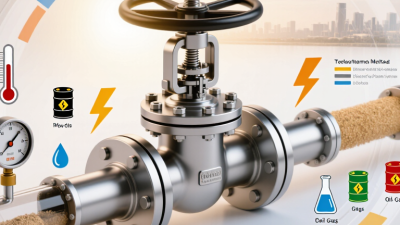
Each distributor’s product range reveals its practical focus. Gate, globe, ball, and butterfly valves suit pipelines, utilities, and general process systems. Check valves protect pumps from reverse flow. Control valves manage pressure, temperature, and fluid volume in refineries, power plants, and chemical facilities. The MarketsandMarkets Control Valves report projects continued expansion through 2028, driven by process automation and stricter efficiency requirements. A distributor serving semiconductor plants should understand ultra-clean diaphragm valves. An energy-focused supplier needs experience with high-pressure forged valves, actuators, and emergency shutdown systems.
Water projects often require resilient-seated gate valves, swing checks, and corrosion-resistant butterfly valves. Oil, gas, and chemical facilities usually demand alloy materials, fire-tested designs, and documented traceability. Food and pharmaceutical plants need hygienic valves with polished internal surfaces and cleanable connections. Details matter. A missing pressure-temperature chart can delay procurement.
Some distributors still list every valve type without explaining operating limits. That is a weakness. Buyers should verify certificates, testing records, spare-part access, and local technical support. Even experienced teams can overlook seal compatibility when temperature changes sharply. The best fit depends on fluid behavior, industry standards, maintenance skills, and the distributor’s real field experience.
What International Buyers Should Check Before Ordering Valves?
2026 Best Valve Distributors for Global Buyers?
What International Buyers Should Check Before Ordering Valves?
International buyers should verify the valve’s service conditions before comparing prices. Confirm size, pressure class, temperature range, media, connection type, and operating frequency. A valve for clean water may fail quickly in abrasive slurry. Details matter. Ask for material specifications, dimensional drawings, and performance data that match your project.
A reliable distributor should provide traceable documentation, including test reports, material certificates, inspection records, and packing details. Check whether pressure testing follows a recognized technical standard. Request sample certificates before placing a large order. Also review production lead times, spare-part availability, warranty terms, and communication procedures. Fast replies are useful, but technical answers matter more.
Supplier experience deserves careful checking. Look for completed projects in similar industries and climates, not only attractive website photos. Confirm the distributor’s inspection process and clarify who handles nonconforming products. Independent inspection can reduce uncertainty before shipment. It adds cost, though sometimes that cost is cheaper than a site shutdown. I have seen buyers focus too heavily on unit price and overlook storage conditions, labeling, or export packaging. That approach may seem efficient, but it often creates delays. Do not rush. A clear purchase specification, signed drawing, and agreed acceptance criteria can prevent avoidable disputes. Even experienced teams miss small details, so leave room for a final technical review before ordering.
2026 Valve Distributor Buyer Check: ASME Pressure Classes
Before ordering internationally, confirm that the distributor can supply valves matching the required pressure class, material, temperature rating, end connection, testing standard, and certification. The values shown are approximate pressure ratings at 38°C for carbon-steel valve classes based on ASME B16.34; the exact rating must be verified against the selected material and operating temperature.
How to Select the Best Valve Distributor for Your Project?
Selecting a valve distributor starts with the process, not the catalog. Define the fluid, temperature, pressure, pipe size, and operating cycle before requesting prices. A distributor with field experience should ask about cavitation, corrosion, maintenance access, and shutdown limits. If the questions are vague, the recommendation may be generic. That is risky.
Check whether the distributor can provide traceable material records, pressure-test reports, dimensional drawings, and current technical datasheets. Ask how engineers verify body materials, seat compatibility, actuator sizing, and end connections. For critical service, request a documented inspection plan and clear acceptance criteria before production. Reliable suppliers explain tolerances and limitations instead of promising that every valve fits every system. I have seen schedules suffer because a “standard” valve arrived with the wrong face-to-face dimension. Small details matter.
Delivery capability deserves the same scrutiny as technical competence. Review stock locations, realistic lead times, spare-part support, packing methods, and communication during changes. A capable distributor should identify an equivalent option only after comparing performance, materials, and certification requirements. Do not select the lowest quote without examining lifecycle cost, inspection depth, and failure consequences. My own reviews are not flawless; assumptions sometimes survive too long in procurement files. Invite a second technical check. This catches expensive mistakes.