2026 Best Globe Check Valve Types for Global Buyers?

The 2026 valve market will reward buyers who examine service conditions, not catalogue labels. MarketsandMarkets estimates the global industrial valves market could grow from about USD 78.5 billion in 2023 to USD 98.5 billion by 2028. Its analysis includes process, water, energy, and chemical applications. However, most reports group globe valves and check valves broadly. Their figures do not isolate every Globe Check Valve design.

That limitation matters. A refinery line may need tight shutoff, controlled throttling, and resistance to thermal cycling. A municipal water station may prioritize low pressure loss, corrosion protection, and easy maintenance. In both settings, trim material, seat geometry, pressure class, and installation direction can change field performance. Small details decide large costs.

R. W. Zappe, author of Valve Selection Handbook, offered a practical warning: “The valve must be selected for the service.” That principle still deserves attention. A Globe Check Valve should not be chosen only by nominal diameter or purchase price. It must match fluid velocity, temperature, pressure, flow direction, and maintenance capability. Experienced buyers also inspect test certificates, material traceability, and supplier support. Factory claims are useful. Site evidence is stronger.

This guide compares the best Globe Check Valve types for global buyers in 2026. It considers swing, lift, piston, and combined configurations. It also examines common specification gaps. Some conclusions remain imperfect because regional datasets use different definitions. That inconsistency should make buyers cautious, not passive. Reliable selection begins with a clear duty description and ends with verified performance.
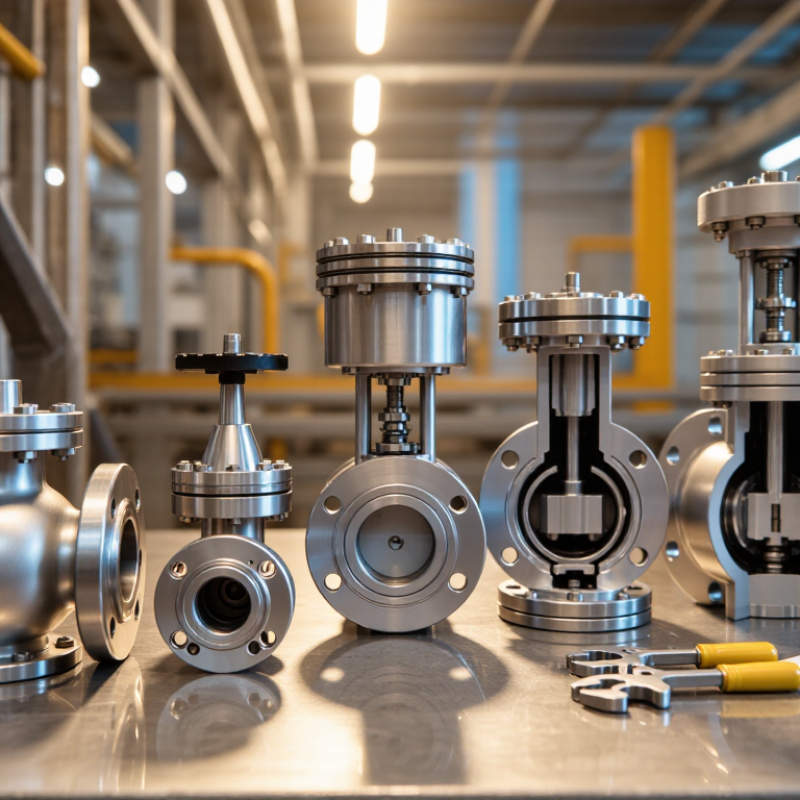
2026 Best Globe Check Valve Types for Global Buyers?

What Is a Globe Check Valve and How Does It Work?

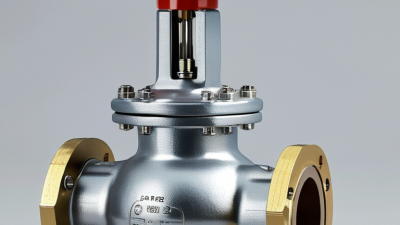
A globe check valve is a one-way valve built inside a globe-shaped body. It prevents fluid from reversing through a pipeline. Unlike a globe control valve, it does not normally regulate flow continuously. Its main duty is backflow protection.

When forward pressure rises, the disc or piston moves away from its seat. Fluid then passes through the valve. When pressure falls or reverses, the closing element returns to the seat. Gravity, a spring, or reverse pressure may provide this movement. The process is simple. The details matter.

In field inspections, lift-type globe check valves work well with clean liquids and gases. Piston designs can provide guided closing in demanding pipe systems. Spring-loaded versions may close faster, reducing reverse-flow impact and water hammer. However, fast closing is not always better. It can create pressure shocks in certain layouts.

Global buyers should verify pressure class, temperature range, fluid chemistry, installation direction, and end connection dimensions. Body and seat materials must match the medium, especially with hot, corrosive, or abrasive service. A qualified engineer should also review flow velocity and pressure loss. A valve that fits the drawing may still perform poorly in real operation. I have seen selection errors caused by assuming “globe” means throttling capability. It does not. Supplier test records, inspection procedures, and applicable technical standards deserve careful review before purchase.

Which Globe Check Valve Types Are Available in 2026?

In 2026, global buyers can find several globe check valve types for industrial pipelines. The term can be confusing. Some suppliers use it for globe-style lift check valves, while others include related non-return designs.

Lift check valves use a guided disc that moves vertically against a seat. They suit clean steam, water, air, and process fluids.

Piston check valves add a piston and damping effect, helping reduce sudden disc movement.

Swing check valves use a hinged disc and usually create lower pressure loss. However, they may need stable flow and enough installation space.

Stop-check valves combine check protection with manual shutoff control.

Axial or nozzle check valves offer compact installation and fast closing response.

Check the details carefully. A valve for hot condensate needs suitable body and seat materials. A valve for slurry needs abrasion resistance and a flow path that limits deposits. Confirm pressure class, temperature range, leakage rate, connection size, and installation direction. Horizontal and vertical piping can affect performance.

Real site conditions often expose weaknesses.

Water hammer may appear after rapid pump stops. A quiet valve can still fail if sizing is wrong. Do not rely on appearance alone. Review test records, material certificates, and maintenance access before purchasing. I would also question unclear flow-direction markings. Small omissions can become expensive problems.

How Do Materials, Pressure Ratings, and Sizes Affect Selection?

2026 Best Globe Check Valve Types for Global Buyers?

Material choice starts with the fluid, not the catalog picture. Carbon steel suits many non-corrosive water and oil services, while stainless steel handles chlorides and wet chemical environments better. NACE’s IMPACT study estimated global corrosion costs at about US$2.5 trillion annually, equal to 3.4% of global GDP. That figure makes material selection more than a purchasing detail. Seat compatibility, galvanic corrosion, and low-temperature toughness also require review. It is easy to choose the wrong alloy.

Pressure ratings need equal discipline. ASME B16.34 requires pressure-temperature evaluations, so a valve marked Class 150 may tolerate less pressure at elevated temperatures. PN16 and Class 150 should not be treated as automatic equivalents. Check the actual rating table, test requirements, and flange standard. API 598 provides widely used inspection and pressure-testing practices for industrial valves. Small differences matter. A steam line and a chilled-water line may need completely different designs.

Size affects flow stability, noise, and operating cost. Oversizing can reduce velocity and create poor shutoff performance; undersizing can increase pressure loss and damage seats. Grand View Research’s 2024 industrial-valves report valued the global market at over US$78 billion in 2023, showing how broad the application range has become. Yet market scale does not replace engineering judgment. Confirm media data, temperature, pressure, connection dimensions, and installation orientation before ordering. A perfect datasheet can still describe the wrong service.

Where Are Different Globe Check Valves Used Worldwide?

Globe check valves are used where flow must move forward, then stop quickly. Their compact stop-check design suits steam lines, boiler feedwater, pump discharge, and process piping. In power plants, engineers often specify lift-type internals for vertical runs and high-pressure service. Installation direction still matters. A wrong orientation can create noise, wear, or poor closure.

Asia-Pacific uses these valves heavily in power, chemical, and water infrastructure. The International Energy Agency reported global energy investment above USD 3 trillion in 2024, with clean-energy investment exceeding USD 2 trillion. That expansion supports more boilers, cooling systems, and hydrogen-related piping. In the Middle East, globe check valves appear in desalination pretreatment, seawater reverse-osmosis trains, and refinery utilities. The 2024 World Water Development Report highlights increasing water stress, although regional valve demand is difficult to isolate from broader equipment spending.

Europe commonly applies them in district heating, steam networks, and industrial energy recovery. North American facilities use them in natural-gas processing, LNG support systems, and municipal treatment plants. Latin American mining operations need abrasion-resistant designs around slurry and high-lift pumping. Material selection remains site-specific: stainless steel may suit corrosive water, while alloy steel handles hotter steam. Report categories differ, and published market figures can exaggerate valve-specific demand. That is a weakness buyers should examine. Field experience also shows that a theoretically correct valve may fail when debris, pulsation, or limited maintenance access is ignored.

How Can Global Buyers Compare Quality, Standards, and Suppliers?

2026 Best Globe Check Valve Types for Global Buyers?

How Can Global Buyers Compare Quality, Standards, and Suppliers?

For global buyers, comparing globe check valve types starts with service conditions, not catalogue photos. Lift, piston, and non-slam designs suit different flow patterns and maintenance needs. Record pressure, temperature, fluid properties, installation direction, and allowable pressure drop. Small details matter.

Quality should be checked against recognized requirements, such as ASME B16.34, API 598, ISO 5208, or relevant regional standards. These references cover pressure ratings, materials, dimensions, and testing practices. Ask for hydrostatic and seat-leakage test reports. Review heat numbers, inspection records, and material certificates. A polished certificate is not enough.

Look closely at the body casting, disc movement, seat finish, and stem alignment. Ask how the supplier controls cracking pressure and water hammer risks. Request drawings, welding procedures, coating specifications, and sample reports before placing an order. Supplier experience with customs documents and regional conformity requirements also reduces delays. It helps.

Independent inspection can verify dimensions, markings, and test results before shipment. Still, no checklist is perfect. Documents may be accurate but incomplete. Some buyers focus heavily on price and overlook spare-seat availability, repair guidance, or response times. A practical comparison should score quality, compliance, lifecycle support, and communication together. That approach is slower, but usually more dependable.

REQUEST A QUOTE

Menu
[all-fields]