How to Choose the Right Check Valve?
Choosing the right Check Valve starts with understanding what the system needs to prevent. A valve that works well on a clean water line may behave differently with air, oil, or a fluid carrying particles. Flow direction matters, but so do operating pressure, temperature, pipe size, and the cost of unwanted reverse flow. Small details matter.
The valve’s design affects how it opens, closes, and responds to changing flow. Swing, lift, and spring-loaded models each suit different conditions; none is automatically best. A spring-loaded valve, for example, may need more pressure to open than a low-pressure system can provide. That point is easy to overlook when comparing products by size alone. Been there, perhaps: a compact fit can still be the wrong fit.
Material compatibility, installation position, pressure drop, and maintenance access deserve equal attention. Check the manufacturer’s operating limits and confirm that the valve matches the actual service conditions, not just a general application description. For critical or unusual systems, ask a qualified engineer to review the selection. This guide explains the key valve types, specifications, and selection questions so you can make a reasoned choice—and spot where more information is needed.
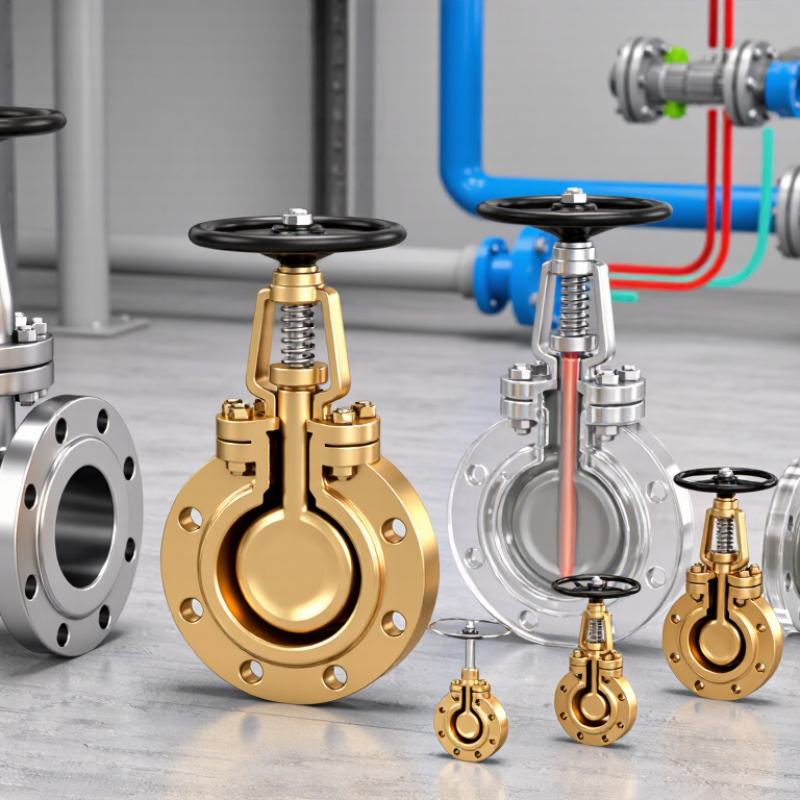
Understand How Check Valves Control Flow
A check valve controls flow by opening when upstream pressure exceeds downstream pressure, then closing when flow reverses. That simple movement protects pumps and limits backflow, but it does not regulate flow like a control valve. The U.S. Department of Energy’s 2006 Improving Pumping System Performance guide estimates that pumping systems use nearly 20% of global electricity demand; in some industrial facilities, they account for 25–50% of energy use. Avoiding unnecessary pressure loss matters. A poorly matched valve can add resistance, while an oversized valve may chatter when flow is too low to hold it open.
Match the valve type to the fluid, flow rate, installation position, and likely reversal speed. Swing checks suit many steady-flow lines; lift or spring-assisted designs can respond faster, though their pressure drop may differ. Check the manufacturer’s flow and pressure-drop curves against the actual operating range, not just the pipe diameter. For example, a valve that works well at full pump output may behave poorly during low-flow operation. It happens. ISO 5208:2015 provides pressure-testing procedures for metallic industrial valves, useful when checking stated leakage performance. Still, a test rating does not guarantee quiet operation in every piping layout. Consider water hammer, debris, and maintenance access before selecting the final design.
How to Choose the Right Check Valve: Understand How Check Valves Control Flow
A check valve allows flow in the intended direction and closes when flow reverses. This conceptual chart shows the valve’s idealized response; actual opening pressure and flow capacity depend on the valve design and operating conditions.
When selecting a valve, check the required flow rate, fluid, pressure and temperature limits, installation orientation, and cracking pressure—the minimum forward pressure difference needed to open the valve.
Define the System’s Pressure, Temperature, and Fluid Conditions
Start with the operating envelope, not the pipe size. Record normal and peak pressure, startup surges, minimum flow, and temperature at the valve location. A discharge gauge may miss a brief pressure spike. I would verify transient readings instead of trusting one steady value. Compare the valve’s pressure-temperature rating with the system’s worst credible conditions. ASME B16.34 provides pressure-temperature rating tables by material and class. Ratings are not interchangeable across materials. Small details matter.
Identify the fluid’s composition and state, including viscosity, suspended solids, and entrained gas. These can affect disc movement, sealing, and wear. NIST’s Chemistry WebBook lists water’s normal boiling point as 373.15 K (100°C) at 101.325 kPa. That is a reference point, not a design limit: local pressure drops can bring hot liquid closer to vapor formation. For a chemical or slurry line, confirm material compatibility and whether deposits could restrict the valve. Do not size from nominal line pressure alone. I would still recheck the data sheet against actual startup conditions; those are easy to underestimate.
Compare Common Check Valve Designs and Their Operating Principles
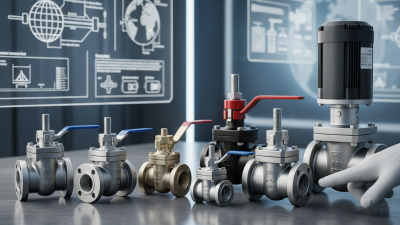
A swing check valve uses a hinged disc that opens with forward flow and swings shut when flow reverses. Its broad opening often creates relatively little pressure loss in clean, steady service. But slow closure can allow reverse flow to build before the disc seats, causing a sharp slam. Installation orientation and changing flow rates matter.
A lift check moves a guided disc or piston away from its seat as pressure rises. It typically suits applications with stronger, steadier flow, though its narrower passage can create more resistance. A dual-plate design uses two spring-loaded plates that fold open and close across a short travel. Its compact body can help where space is tight. That matters. Spring-assisted axial checks also close quickly, which can reduce water hammer, but their pressure drop and spring strength need checking.
A ball check lets a ball move off its seat during forward flow, then settle back when flow reverses. The simple motion can suit some wastewater or viscous-fluid duties, depending on the valve’s clearances and materials. No design is perfect. A quiet system on paper may still experience pressure surges during pump starts or shutdowns. Compare the fluid, flow range, installation position, available space, and likely reverse-flow speed before choosing. The right match is sometimes less obvious than the catalog suggests.
Match Valve Materials and Size to the Application
Choosing a check valve starts with the fluid, not the pipe catalog.
Stainless steel may suit clean water, but chlorides can change the corrosion picture. For acidic service, verify the body, disc, spring, and seal materials together. One compatible part does not make the whole valve compatible.
AMPP’s IMPACT study estimated corrosion costs at US$2.5 trillion globally in 2013, or 3.4% of global GDP.
That figure covers many industries, not valves alone, but it shows why material selection deserves careful review. A neat compatibility chart can still miss temperature, concentration, and cleaning chemicals.
Size the valve for actual flow and pressure conditions, not nominal pipe diameter alone.
An oversized unit may open poorly at low flow and allow chatter or repeated closure. An undersized one can add pressure loss. The U.S. Department of Energy’s Improving Pumping System Performance sourcebook reports that pumping systems use nearly 20% of global electricity and 25–50% of energy in some industrial operations. That is system-wide data, not a check-valve efficiency claim. Still, avoidable pressure drop can burden a pump. Check the manufacturer’s flow curve, cracking pressure, and allowable velocity against expected operating ranges. Then confirm installation orientation and space. Small details matter. I would also revisit the choice if flow varies widely; one calculation rarely captures every operating day.
Evaluate Installation, Maintenance, and Performance Requirements
How to Choose the Right Check Valve?
Evaluate Installation, Maintenance, and Performance Requirements
Start with the piping layout and operating conditions. A swing check valve may suit a steady, horizontal line, while a spring-assisted design can respond faster where flow reversals are frequent. Confirm the permitted installation orientation; gravity-dependent designs may not work as intended in vertical piping. Check the fluid, temperature, pressure, flow range, and expected pressure drop against the valve’s documented limits. A poor match can cause chatter, water hammer, or restricted flow. Small details matter, including clearance for removing the cover and access to nearby isolation valves.
Plan maintenance before choosing the body style. A valve that requires line removal can turn a simple inspection into extended downtime. Review the manufacturer’s inspection and service instructions, and consider whether seals or internal parts are replaceable. The U.S. EPA’s 2023 Drinking Water Infrastructure Needs Survey and Assessment estimates $625 billion in drinking-water infrastructure needs over 20 years. This is not a valve-specific figure, but it highlights the value of maintainable, replaceable components in long-lived systems. One selection mistake is treating purchase price as lifecycle cost. It is an easy mistake to make.
Tips: Ask for pressure-drop and cycle-test data at your actual flow range. Check the installation drawing, leave service clearance, and verify the shutoff performance after commissioning. A quick field check can reveal problems early.