
- 713.590.1312
- sale@pandbtools.com
How to Choose a Globe Valve for Your Application?
Choosing a Globe Valve starts with understanding what the valve must do in your system. Will it regulate flow, isolate equipment, or perform both duties? A valve selected only by pipe size may fit the line yet fail to provide the control you need. Small details matter.
Review the fluid, operating pressure, temperature, and expected flow range. Steam, cooling water, and corrosive process fluids place different demands on the valve body, seat, and trim. Consider pressure drop, too. Globe valves can offer precise throttling, but their flow path may create more resistance than some other valve designs. That trade-off is easy to overlook.
Check the connection type, material compatibility, leakage requirements, and whether manual or automated operation is appropriate. For example, a valve handling hot condensate may need different materials and packing than one used on a cool-water line. The actual service conditions matter more than a generic example. Not always obvious.
Reliable selection also depends on checking manufacturer data against your operating limits and maintenance needs. Confirm relevant specifications with a qualified engineer when the service is critical or unusually demanding. A catalogue value may not describe performance under every real-world condition. Even experienced teams can miss a detail when schedules are tight.
This guide outlines the questions that help narrow the options. It cannot replace a full system review, and no single Globe Valve suits every application. Use the recommendations as a starting point, then verify the choice against the equipment and process it will serve.
Understand Globe Valve Design and Operation
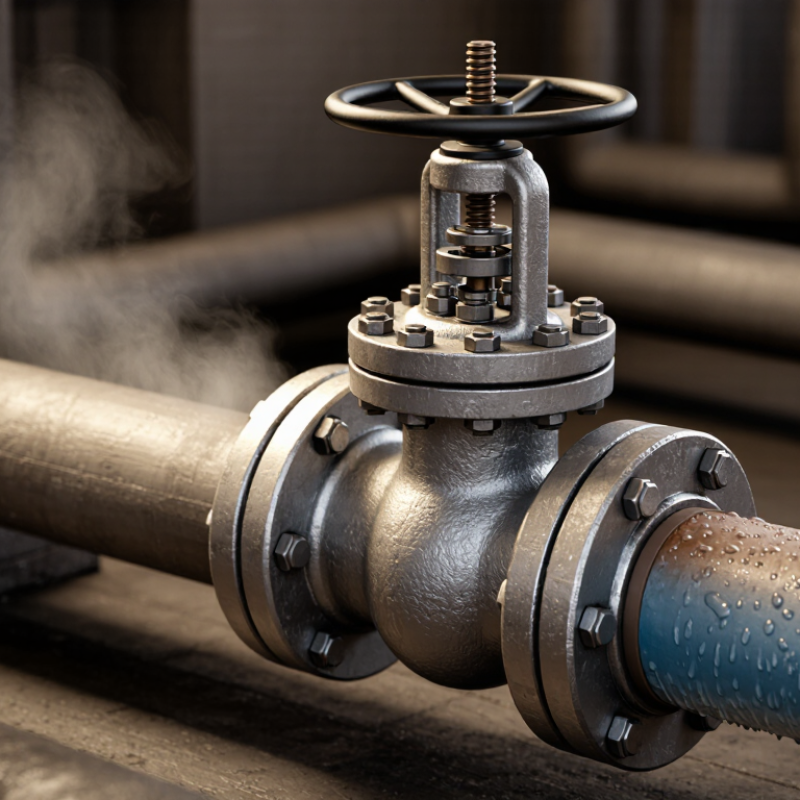
A globe valve controls flow by moving a plug toward or away from a stationary seat. The stem usually travels at a right angle to the flow path, creating a clear, adjustable opening. This geometry makes the valve useful for throttling, not just fully open or closed service. That sounds simple.
As the plug approaches the seat, flow is restricted and pressure drops across the valve. The change can be felt in a test line: a smaller opening may bring a sharper hiss, vibration, or temperature shift. These signs deserve attention, because excessive pressure drop can cause noise, erosion, or unstable control. Flow direction matters, too; follow the valve’s markings and design documents rather than assuming every globe valve is installed the same way.
When selecting a valve, compare the required flow range, operating pressure, fluid temperature, and material compatibility. Check whether the trim and seat suit frequent adjustment, since a shutoff-focused design may not control flow smoothly. Actuator response also matters when the valve must react to changing process conditions. Real piping differs. I would verify the sizing calculation against actual operating data, because nominal pipe size alone can be misleading. A valve that looks right on a drawing may still be oversized in service.
Define the Application’s Flow and Service Requirements
Start with the flow the valve must control, not just the pipe size. Record minimum, normal, and maximum flow rates, along with inlet and outlet pressures. These values help determine whether the valve can regulate smoothly across the required operating range. A valve that is oversized may hunt near its seat; one that is undersized can create excessive pressure loss. Check the expected pressure drop at each operating point.
Describe the service conditions clearly. Note the fluid, temperature range, pressure, viscosity, and any suspended solids. For example, warm water with fine grit can wear trim differently from clean water at the same flow rate. Consider whether the valve will throttle continuously, open only during startup, or mainly provide isolation. It may need to do more than one job. Be specific.
Also account for changing conditions, such as startup surges, seasonal temperatures, or intermittent low flow. High pressure drops can cause noise, vibration, cavitation, or flashing, depending on the fluid and operating conditions. These effects deserve review before selecting trim or an actuator. Estimates are rarely perfect. When process data is incomplete, document the assumptions and confirm them with operating records or measurements. This step can feel tedious, but it often prevents a poor fit from being mistaken for a valve problem.
How to Choose a Globe Valve: Define Flow and Service Requirements
Compare the required flow rate for each duty before sizing a valve. These illustrative design cases are not measured plant data; actual valve selection depends on flow, pressure drop, fluid properties, temperature, and control range.
Use the operating and maximum flow rates, inlet and outlet pressures, and fluid properties to determine the required valve capacity (Cv or Kv). Also check shutoff requirements, operating temperature, and whether the service involves erosion, corrosion, or flashing.
Match Valve Materials to Pressure, Temperature, and Media
A globe valve’s material choice should follow the actual service conditions, not just the pipeline size. Start with the body material, then check the stem, disc, seat, and packing. Each part contacts the process fluid differently. A stainless steel body may resist many corrosive fluids, but the trim or seat could still wear or degrade. That can be easy to miss.
Pressure and temperature ratings must be checked together. A valve rated for a high pressure at room temperature may have a lower allowable pressure when hot. Review the manufacturer’s pressure-temperature chart for the specific material and connection type. Small details matter. For abrasive slurries, consider how particles may erode the seating surfaces. For hot steam, confirm that packing and seat materials can tolerate both heat and repeated cycling. Material charts are useful, but they may not describe every upset condition.
Identify the fluid’s concentration, contaminants, and operating range before selecting materials. A chemical name alone may not be enough; small changes in concentration or temperature can alter compatibility. If conditions vary, assess the most demanding credible case rather than relying only on normal operation. When data is incomplete, pause and verify it with a qualified valve or materials specialist. A cautious selection now can prevent leakage, sticking, and early replacement later.
How to Choose a Globe Valve for Your Application? — Match Valve Materials to Pressure, Temperature, and Media
| Application or Service | Suggested Body Material | Suggested Trim and Seat | Temperature and Pressure Guidance | Media Compatibility | Selection Considerations |
|---|---|---|---|---|---|
| General-purpose water, air, and non-corrosive process fluids | Cast carbon steel, such as ASTM A216 WCB | Stainless-steel stem and disc; metal seat for higher temperatures or frequent throttling | Commonly considered for moderate-to-high-pressure services. Temperature and allowable pressure depend on the valve pressure class and applicable rating tables. | Suitable for many non-corrosive fluids; assess corrosion, erosion, and water chemistry. | A practical default for process services where carbon steel is compatible. Consider corrosion allowance and impact requirements at low temperatures. |
| Corrosive process fluids and many chloride-containing services | Cast austenitic stainless steel, such as ASTM A351 CF8M | 316 stainless-steel trim; hard-faced metal seating for erosion or frequent throttling | Available across a broad range of pressure classes. Confirm the material’s pressure-temperature rating and minimum design temperature for the selected casting and class. | Often suitable for many mildly corrosive fluids, but resistance depends on chloride level, temperature, concentration, and exposure conditions. | Stainless steel is not immune to pitting, crevice corrosion, or stress-corrosion cracking. Check actual fluid composition and operating conditions. |
| Low-temperature fluids and cryogenic applications | Low-temperature-rated carbon steel or austenitic stainless steel, selected for the specified design temperature | Material-matched trim; extended bonnet or stem arrangement where required to manage cold service | Use only materials qualified for the minimum design temperature. Pressure capability must be checked at the operating temperature against the applicable rating standard. | May be used for cold gases and liquids when all wetted materials and seals are compatible. | Verify impact-test requirements, stem sealing, thermal contraction, and the valve’s suitability for the specified cryogenic duty. |
| Clean, low-pressure water or utility service | Cast bronze, where permitted by the service and piping specification | Bronze or stainless-steel trim; resilient seat only when compatible with fluid and temperature | Generally selected for lower-pressure utility duties. Confirm the pressure-temperature limits of the particular valve design rather than relying on material alone. | Commonly used for water and some non-aggressive fluids; not suitable for every chemical or high-temperature service. | Check dezincification resistance where relevant, joining method, and compatibility with the system’s water chemistry. |
| High-temperature steam or hot process service | Temperature-rated carbon steel or alloy steel, selected to meet the design code and service conditions | Metal-to-metal seat; high-temperature packing and gasket materials, such as graphite where appropriate | For elevated temperatures, allowable pressure decreases according to the material and pressure class. Verify the combined pressure-temperature rating and thermal-cycle requirements. | Suitable for steam or hot fluids when the body, trim, packing, and gaskets are all rated for the service. | Consider thermal expansion, erosion, leakage class, packing emissions, and the effects of repeated start-up and shutdown. |
| Acidic or otherwise highly corrosive chemical service | Alloy selected for the specific chemical, concentration, temperature, and contaminants | Trim and seating materials selected independently based on corrosion and erosion testing or established compatibility data | No general pressure or temperature range can be assigned to “corrosive service.” Verify the complete material combination at the design conditions. | Compatibility varies significantly with chemical concentration, temperature, aeration, and impurities. | Do not select an alloy from the chemical name alone. Obtain process data and review compatibility with a qualified materials specialist. |
| Abrasive slurry, flashing liquid, or high-velocity throttling | Carbon steel, stainless steel, or an erosion-resistant alloy, depending on corrosion and pressure requirements | Hardened or hard-faced trim; robust metal seat; trim geometry selected for the flow conditions | Check pressure drop, flow velocity, cavitation or flashing risk, and the valve’s allowable operating conditions. | May be suitable when the body and trim withstand both the fluid chemistry and particle or velocity-related wear. | Globe valves can provide throttling control, but severe service may require a purpose-designed trim or a different valve design. |
Selection note: These are screening guidelines, not guaranteed operating limits. Confirm the governing design code, pressure class, pressure-temperature rating, corrosion allowance, trim compatibility, seat leakage requirements, and packing or gasket limits for the exact valve configuration.
Select the Valve Size, Trim, and Actuation Method
A globe valve should be sized for the process, not simply matched to the pipe. Record minimum, normal, and peak flow, plus inlet pressure, outlet pressure, temperature, and fluid properties. Use the ISA/IEC 60534-2-1 sizing method to check capacity and pressure drop. An oversized valve may operate nearly closed, making control jumpy; an undersized one can restrict peak flow. For steam systems, the U.S. Department of Energy’s 2012 Improving Steam System Performance sourcebook estimates that steam represents about 30% of industrial energy use. That makes leakage and poor control worth investigating. Small detail, big impact.
Choose trim for the fluid and the control response you need. Equal-percentage trim often suits wide flow ranges, while linear trim can work well when pressure conditions stay steadier. Cavitation, flashing, suspended solids, and erosion may call for hardened or otherwise application-specific trim. Check the full operating range, not just the normal point. A tidy sizing calculation can still miss changing process conditions. It happens.
Then select actuation around required force, speed, utilities, and failure position. Pneumatic actuators are common where compressed air is available; electric units can suit sites without instrument air. Specify whether the valve must fail open, fail closed, or remain in place, and verify the actuator can overcome differential pressure. On a commissioning sheet, record the signal range and stroke time. These details are easy to overlook.
Check Installation, Control, and Maintenance Needs
How to Choose a Globe Valve for Your Application?
Check Installation, Control, and Maintenance Needs
A globe valve should fit the pipework and the job it must perform. Check the body’s flow-direction arrow before installation; reversing flow can affect operation. Leave enough room above the valve to remove the stem or actuator. In a tight plant room, that clearance is easy to overlook. Small details matter. Support nearby piping so the valve does not carry unnecessary loads, and follow the manufacturer’s installation instructions for orientation and service conditions.
For control, compare the expected flow range and pressure drop with the valve’s rated capacity. A valve that is oversized may make stable adjustment difficult, especially at low flow. Large pressure drops can also create noise or wear, depending on the fluid and operating conditions. Consider the actuator, too: it needs enough force to move the plug under the actual differential pressure. A tidy specification sheet is not a substitute for checking real operating data.
Tips: Confirm access to the packing, bolting, and actuator before installation. Plan isolation and drainage so maintenance does not require awkward work around hot or pressurized lines. Keep suitable replacement seals available. It is worth reviewing the layout with maintenance staff; they may spot a service problem that the design drawing misses.
Related Posts
-
Unmatched Quality From China to the World Featuring Best Globe Valve
-
Understanding Globe Valve Types and Their Applications?
-
Top Globe Valve Manufacturers for Global Buyers Guide
-
The Ultimate Globe Control Valve Sourcing Checklist for Global Buyers
-
2026 Best Globe Check Valve Types for Global Buyers?
-
Top 10 Globe Control Valve Manufacturers from China at the 137th Canton Fair