
Why Choose a Gas Metal Arc Welder?

Choosing a Gas Metal Arc Welder can transform an ordinary fabrication task into a controlled, repeatable process. The machine feeds a continuous wire electrode through the gun, while shielding gas protects the molten weld pool. In a busy workshop, this means fewer stops for rod changes and smoother bead placement.

The advantages become visible on the workbench. A properly adjusted Gas Metal Arc Welder can join mild steel frames, automotive panels, stainless components, and many production parts. Wire speed and voltage respond quickly to material thickness. A steady arc can leave a clean bead with limited slag removal. That saves time, but it does not remove responsibility.

Welding educator John C. Lippold emphasizes, “Sound welds begin with sound process control.” His point remains practical. Clean metal, correct polarity, suitable gas flow, and stable hand movement all matter. Even a modern machine cannot repair contaminated steel or poor preparation. I have seen a small grounding mistake create spatter across an otherwise careful joint. It looked minor. It was not.

The machine also offers useful flexibility. Operators can select solid wire, flux-cored wire, or different shielding gases for specific applications. However, convenience can encourage careless settings. A fast travel speed may produce an attractive surface while leaving incomplete fusion underneath. That possibility deserves attention.

For many users, the real question is not whether this process is powerful. It is whether its speed, control, and learning curve match the work. The answer depends on material, joint design, production volume, and operator discipline. A Gas Metal Arc Welder is highly capable, but capability still requires judgment.
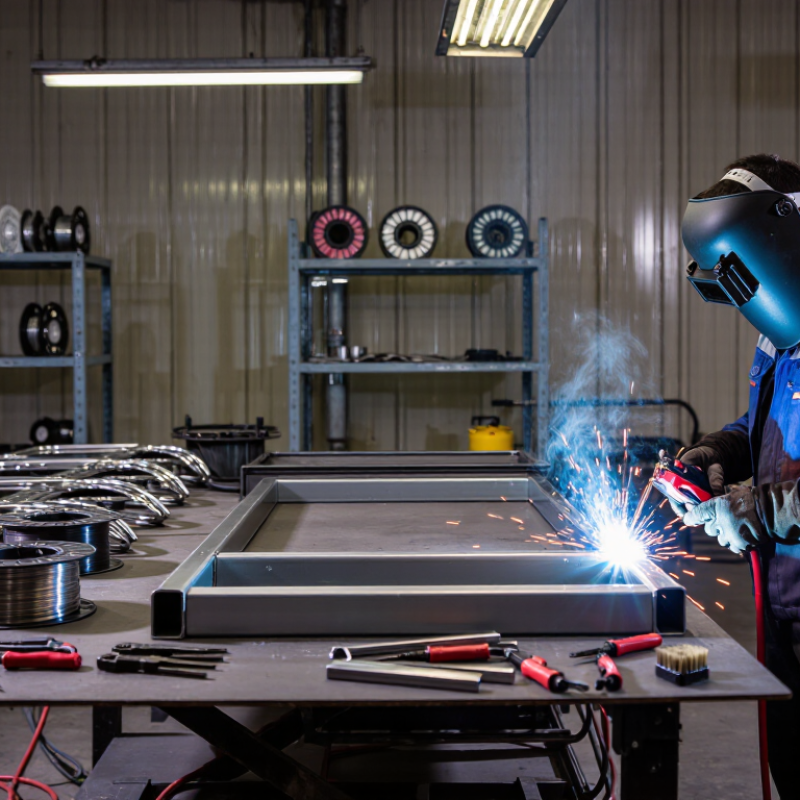
Why Choose a Gas Metal Arc Welder?

What Is a Gas Metal Arc Welder?

Why Choose a Gas Metal Arc Welder?

What Is a Gas Metal Arc Welder?

A gas metal arc welder, often called GMAW, joins metal with a continuously fed wire electrode. An electric arc melts the wire and the workpiece together. Shielding gas protects the molten weld from oxygen and moisture. This process creates a steady bead with less slag than some other welding methods.

In a workshop, the operator guides a welding gun across clean steel, aluminum, or stainless steel. Wire speed and voltage must match the material thickness. Poor settings can cause spatter, weak penetration, or an uneven bead. GMAW is productive because the wire feeds automatically. It also suits repeated fabrication work. Still, it is not effortless. Wind can disturb the shielding gas, and beginners often move the gun too quickly.

Tips: Clean the joint before welding. Check the gas flow and cable connections. Practice on scrap metal first. Keep the gun angle consistent, and watch the puddle instead of only the arc. A short pause may improve fusion at the edges. 焼? No, avoid weird. One imperfect weld can reveal a useful lesson. Record the settings, then adjust one variable at a time. Wear a properly rated helmet, gloves, protective clothing, and suitable ventilation equipment. Inspect the finished bead for cracks, undercutting, and visible gaps before relying on it.


How Does Gas Metal Arc Welding Work?

Why Choose a Gas Metal Arc Welder?

How Does Gas Metal Arc Welding Work?

Gas metal arc welding, or GMAW, uses a continuously fed metal wire as the electrode. An electric arc forms between the wire tip and the workpiece. This arc creates intense heat, melting both materials into a small weld pool.

A shielding gas flows through the gun nozzle around the arc. It helps block oxygen, nitrogen, and moisture from the molten metal. Without protection, the weld may develop pores, weak fusion, or a rough surface. The wire feed speed controls how quickly filler metal enters the joint. Voltage influences arc length and bead shape.

Small adjustments matter.

During practical welding, I watch the pool rather than chasing a perfect sound. A steady crackling noise often suggests a stable arc, but it does not guarantee strength. Dirty steel can hide poor penetration beneath a smooth bead. Travel too quickly, and the joint may look narrow and underfilled. Travel too slowly, and excessive heat can distort thin metal.

Good results depend on preparation, correct polarity, suitable gas flow, and consistent hand movement. I also check the joint afterward for undercut, porosity, and incomplete fusion. Ventilation and proper protective equipment remain essential because welding fumes and ultraviolet radiation can cause serious harm. GMAW is efficient, but it still rewards patience. My early welds looked acceptable from above and failed closer inspection. That lesson still influences every setup.

What Advantages Does a GMAW Welder Offer?

A GMAW welder offers a practical balance of speed, control, and clean results. It feeds solid wire continuously, so the operator spends less time stopping for electrode changes. That matters during long seams or repeated production work. Less interruption. The process also creates little slag, making post-weld cleaning faster. With the correct shielding gas, welders can produce smooth beads on steel, stainless steel, and aluminum.

GMAW is approachable for new operators, yet it still rewards careful technique. Wire-feed speed, voltage, travel angle, and gas flow must work together. A small adjustment can change penetration or create excessive spatter. Experienced welders listen to the arc and watch the puddle size. Their eyes catch problems before the bead cools. Good ventilation and proper protective equipment remain essential, even during short jobs.

The process is not flawless. Wind can disturb the shielding gas and cause porous welds outdoors. Thin metal may burn through when settings are too aggressive. I would not treat convenient wire feeding as a substitute for preparation. Clean the joint, confirm the ground connection, and test settings on scrap metal. That extra test feels slow, but it often prevents an ugly repair later. A GMAW welder becomes most valuable when its speed is matched with disciplined inspection.

Which Materials and Applications Suit GMAW?

Why Choose a Gas Metal Arc Welder?

GMAW works well with carbon steel, stainless steel, and aluminum when the wire and shielding gas match the job. Carbon steel is the easiest starting point. It supports common fabrication, repair, and workshop projects. Stainless steel needs controlled heat to limit discoloration and distortion. Aluminum demands careful feeding because its soft wire can buckle inside the liner. A spool gun or push-pull system can improve wire control.

GMAW suits thin sheet metal and medium-gauge components because it offers steady wire feeding and adjustable heat. Automotive panels, equipment frames, railings, cabinets, and general metal assemblies are common applications. It also performs well on production lines where repeated welds require consistent speed.

However, outdoor work can become unreliable when wind scatters the shielding gas. Even a small draft may create porous welds.

Surface preparation remains important. Oil, paint, rust, and moisture can weaken weld quality or cause spatter. In practical shop work, I check the contact tip, ground connection, gas flow, and wire tension before changing voltage settings. Small details matter.

GMAW is productive, but it is not automatically the best choice for every joint. Thick sections may require multiple passes, beveling, or another process. I have also found that a fast travel speed can look clean while leaving poor fusion underneath. A test weld, visual inspection, and suitable procedure qualification provide more reliable results than appearance alone.

What Factors Should Guide Your Welder Selection?

Why Choose a Gas Metal Arc Welder?

What Factors Should Guide Your Welder Selection?

A gas metal arc welder can provide clean, continuous welds with less stopping than stick welding. However, the right machine depends on your work, not its advertised power. Start with the metals you weld most often. Thin sheet steel needs stable low-amperage control, while heavy sections require deeper penetration and a stronger duty cycle. Aluminum also demands suitable wire-feeding equipment and careful shielding gas control. I have found that an oversized machine can be harder to adjust for delicate repairs.

Consider the workshop itself. Check the available electrical supply before choosing input power. A machine that repeatedly trips a circuit will waste time and frustrate operators. Review duty cycle ratings under realistic conditions, not only peak output. Wire diameter, spool capacity, torch reach, and replacement-part availability also affect daily productivity. Reliable controls matter. Clear voltage and wire-speed adjustments help beginners produce more consistent beads. Experienced welders should still verify settings through test welds and inspection.

Tips: Clean the joint until bright metal appears. Keep the torch close and maintain a steady travel angle. Protect the weld area from drafts, because shielding gas can disperse quickly. Wear suitable eye, hand, and body protection, and provide effective ventilation. Record successful settings for each material thickness. My own settings sometimes need correction after fit-up changes, so treat the chart as guidance rather than absolute truth.

REQUEST A QUOTE

Menu
[all-fields]