
Why Choose Carbon Steel Pipe for Your Project?

Carbon Steel Pipe remains a practical choice for projects that need strength, availability, and predictable performance. It carries water, steam, oil, and gas in many industrial settings. Its value is not simply its strength. Standard sizes and familiar fabrication methods can also make sourcing, cutting, welding, and installation more straightforward.

As a fictional industry specialist, materials engineer Alex Morgan, puts it: “A good pipe choice balances pressure, corrosion risk, installation needs, and long-term maintenance.” This is an illustrative quote, not a verified statement from a real expert. The principle matters on site. A pipe exposed to damp air, soil, or aggressive process fluids may need coatings, linings, or a different material. Carbon steel can corrode. Ignoring that risk is an easy mistake.

The right specification depends on operating pressure, temperature, fluid, and service environment. Engineers should check the applicable project standards, material grade, wall thickness, and joining requirements before selection. A thick pipe is not automatically the safest or most cost-effective option. Neither is the cheapest one. Actual conditions can complicate a clean calculation, and maintenance plans are sometimes less certain than expected.

This guide examines where Carbon Steel Pipe performs well, what trade-offs deserve attention, and which questions help teams compare options. The aim is practical: a better-informed choice, supported by project requirements rather than habit.
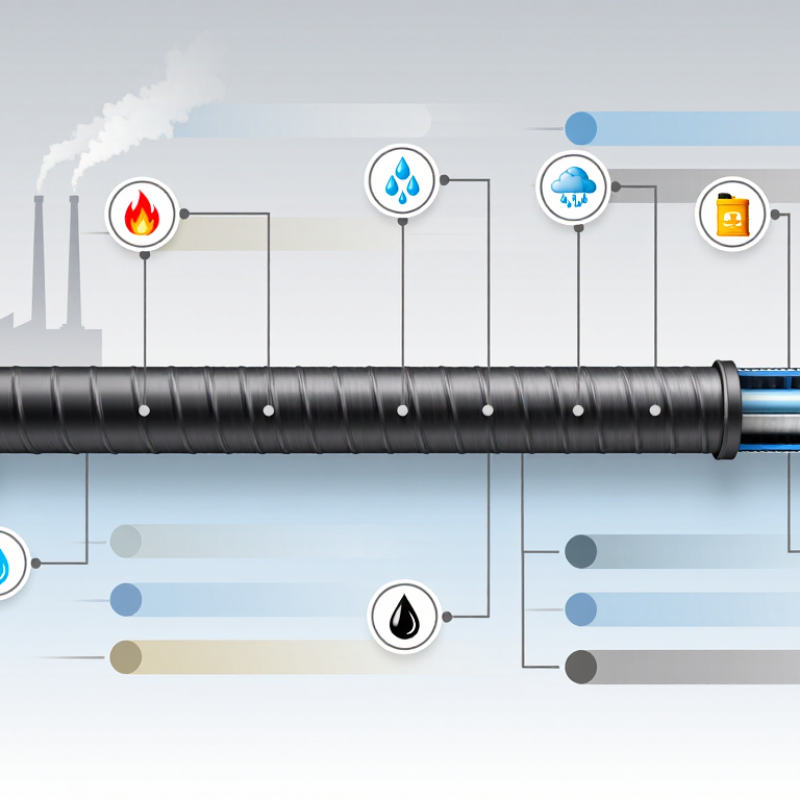
Why Choose Carbon Steel Pipe for Your Project?

What Is Carbon Steel Pipe? ASTM A106 Grade B Contains Up to 0.30% Carbon

Carbon steel pipe is valued for its strength, availability, and ability to handle demanding service conditions. ASTM A106/A106M covers seamless carbon steel pipe for high-temperature applications. Its Grade B chemistry allows up to 0.30% carbon by weight. The specification also sets minimum tensile strength at 60,000 psi and minimum yield strength at 35,000 psi. These figures help engineers compare material requirements with design loads.

Carbon content matters. It can influence strength, hardness, and weldability, so the maximum is not a target that every pipe must reach. A mill test report should confirm the actual heat chemistry and mechanical results; check these against the project specification before fabrication. In the shop, that means reviewing the paperwork before cutting pipe or preparing a weld. Small details matter. Grade B is not automatically the right choice for every temperature, pressure, or corrosive environment. ASTM A106/A106M provides the material requirements, but it does not replace design review, welding procedures, or service-specific corrosion assessment. It is easy to overlook that distinction.

Why Choose Carbon Steel Pipe for Your Project? — What Is Carbon Steel Pipe? ASTM A106 Grade B Contains Up to 0.30% Carbon

Dimension ASTM A106 Grade B / Carbon Steel Pipe Facts Project Relevance
What it is Carbon steel pipe is made primarily from iron and carbon, with other elements present in controlled amounts. ASTM A106 Grade B is a seamless carbon steel pipe grade. The material and manufacturing route help determine suitability for a particular pressure, temperature, and service environment.
Standard scope ASTM A106/A106M covers seamless carbon steel pipe for high-temperature service. Check the applicable code, design conditions, and purchase specification before selecting a grade.
Carbon content Grade B has a maximum carbon content of 0.30% by weight under the standard’s chemical requirements. Carbon content is one factor affecting strength, hardness, and weldability; welding procedures should be selected for the actual material and application.
Other specified chemistry For Grade B, the standard lists manganese at 0.29–1.06%, phosphorus at 0.035% maximum, sulfur at 0.035% maximum, and silicon at 0.10% minimum. Verify the edition of the standard and the mill test report for the supplied product.
Minimum tensile strength 60,000 psi (415 MPa). Use specified minimum properties in design calculations, subject to the governing design code.
Minimum yield strength 35,000 psi (240 MPa). Allowable design stress is not the same as minimum yield strength and must be determined using the applicable code.
Typical considerations Carbon steel pipe is commonly considered for industrial fluid and process piping; ASTM A106 specifically addresses high-temperature service. Assess temperature, pressure, corrosion, fluid compatibility, wall thickness, and inspection requirements for each project.
Corrosion protection Carbon steel can corrode depending on the environment and service conditions. Evaluate corrosion allowance, coatings, linings, inhibitors, or other protection measures as required by the design.
Selection checklist Confirm the required standard and grade, seamless construction, pipe size and schedule, design pressure and temperature, end finish, testing, documentation, and applicable code.

Note: Values shown are standard minimums or maximums for ASTM A106 Grade B; confirm the applicable standard edition and certified product documentation for project use.


How Strong Is It? ASTM A106 Grade B Specifies 415 MPa Tensile Strength

ASTM A106 Grade B carbon steel pipe has a specified minimum tensile strength of 415 MPa. In practical terms, tensile strength describes the stress a test specimen can withstand before it breaks. It is not the same as the pressure a finished pipe can safely carry. That distinction matters. Pressure capacity also depends on outside diameter, wall thickness, operating temperature, and applicable design rules.

On a project, this strength level can suit high-temperature service when the pipe dimensions and conditions are properly checked. A mill test certificate can help confirm the supplied material’s grade and test results; verify that its heat number matches the pipe markings. Still, a number on a certificate is only one part of the picture. Inspect weld quality, fittings, and any signs of corrosion, especially where moisture collects around supports. Small details matter. I have seen calculations look tidy while field measurements told a less comfortable story. For critical service, have a qualified engineer assess the actual operating pressure and temperature rather than relying on tensile strength alone.

Which Standards Apply? ASTM A106, ASTM A53, and API 5L Define Key Requirements

Why Choose Carbon Steel Pipe for Your Project?

Carbon steel pipe offers strength, practical availability, and a range of wall thicknesses for demanding systems. But the right choice depends on service conditions and the governing specification.

ASTM A106 covers seamless pipe intended for high-temperature service.

ASTM A53 includes seamless and welded pipe for general use, with several grades and manufacturing types.

API 5L addresses line pipe for transporting oil, gas, and water, and defines requirements such as grade, testing, and traceability.

These standards are not interchangeable labels. A steam line operating at elevated temperature may call for ASTM A106, while a water line could be specified to ASTM A53 or API 5L, depending on design requirements. Verify the exact grade, dimensions, end finish, and inspection criteria on the project documents. Small details matter. A pipe can meet a material standard yet still fail to match the required pressure class or joining method.

Tips: Check the latest project specification and applicable standard edition before ordering. Confirm mill test reports, heat numbers, and required tests against the purchase documents. In practice, paperwork is sometimes overlooked until delivery day. That is a costly moment to discover a mismatch.

How Are Pipe Dimensions Set? ASME B36.10M Covers Welded and Seamless Steel Pipe

Why Choose Carbon Steel Pipe for Your Project?

Carbon steel pipe is often selected for its strength, availability, and practical fabrication options. But choosing a pipe by material alone is not enough. Dimensions affect flow, weight, connection fit, and pressure design. A pipe that looks right on a drawing may still create problems at a flange or support.

ASME B36.10M standardizes dimensions for welded and seamless wrought steel pipe. It uses nominal pipe size (NPS) and schedule to identify common sizes and wall thicknesses. NPS is a designation, not a direct measurement of the pipe’s inside diameter. For many sizes, the outside diameter stays fixed while the schedule changes the wall thickness. That means the bore changes too. Check the standard’s applicable tables, then confirm the specified material, manufacturing method, and tolerances against the project documents. Standards help align suppliers and designers, but they do not replace engineering checks. Small details matter.

Tips: Verify NPS, schedule, and end preparation before ordering. Compare the listed dimensions with mating fittings and flange requirements. For example, a thicker wall can reduce internal clearance in a line carrying water or process fluid. I’ve seen a simple schedule mismatch delay installation; it is easy to overlook. Check it twice.

Why Choose Carbon Steel Pipe? How Pipe Dimensions Are Set

ASME B36.10M covers dimensions for welded and seamless steel pipe. This chart compares nominal wall thicknesses for selected pipe sizes and schedules.

How to read it: NPS is a nominal size, not the pipe’s measured outside diameter. Schedule indicates wall thickness; a higher schedule means a thicker wall for the same NPS. Values shown are in inches.

When Is Carbon Steel a Good Fit? Compare Pressure, Temperature, Corrosion, and Cost

Carbon steel pipe suits projects where pressure, temperature, and budget must be balanced. ASTM A106 Grade B, a common seamless-pipe specification, sets minimum tensile strength at 60,000 psi and yield strength at 35,000 psi. These figures do not determine a safe working pressure by themselves. Engineers must also check pipe diameter, wall thickness, welds, design code, and operating conditions. Under ASME B31.3, those factors shape the piping design.

Temperature matters, too. Carbon steel performs well across many industrial service conditions, but high heat can reduce strength, while low temperatures can increase brittleness. Corrosion is another deciding factor. The NACE International IMPACT study estimated corrosion costs at US$2.5 trillion globally, or 3.4% of GDP, underscoring why fluid chemistry and maintenance matter. In dry, controlled service, carbon steel can be economical; in wet or chemically aggressive service, coatings, corrosion allowance, or another alloy may be needed. That extra protection can narrow the upfront savings.

Tips: Confirm the design pressure and minimum operating temperature with a qualified piping engineer. Compare total installed and maintenance costs, not just the pipe price. A small assumption can change the choice.

REQUEST A QUOTE

Menu
[all-fields]