Why Choose a Reefer Cargo Van for Your Business?
A delivery route can change quickly. A bakery order may leave before sunrise, while fresh produce waits through several traffic lights and loading stops. In these moments, a Reefer Cargo Van can help keep temperature-sensitive goods within a suitable range during transport. Its insulated cargo area and refrigeration unit offer more control than a standard van, especially when deliveries involve frequent stops.
The right vehicle depends on the work. Consider the cargo’s temperature needs, route length, outside conditions, door-opening frequency, and available payload. A unit may cool effectively in one situation but struggle when doors open repeatedly in hot weather. Cold air moves. Insulation, airflow, and careful loading all matter. Operators should check the manufacturer’s specifications, maintenance schedule, and temperature-monitoring options before choosing a model. A qualified vehicle or refrigeration specialist can help assess those details.
There are trade-offs. Refrigeration equipment can add purchase and maintenance costs, and it may reduce usable cargo capacity. Fuel use can also vary with the vehicle, unit, load, and route. Small details count. A Reefer Cargo Van may suit businesses making local deliveries to shops, kitchens, or clinics, but it is not automatically the best choice for every operation. Real routes, actual loads, and service access deserve a hard look. This guide explores the practical benefits, limits, and selection factors, so businesses can compare options with clearer expectations—not just a promising sales claim.
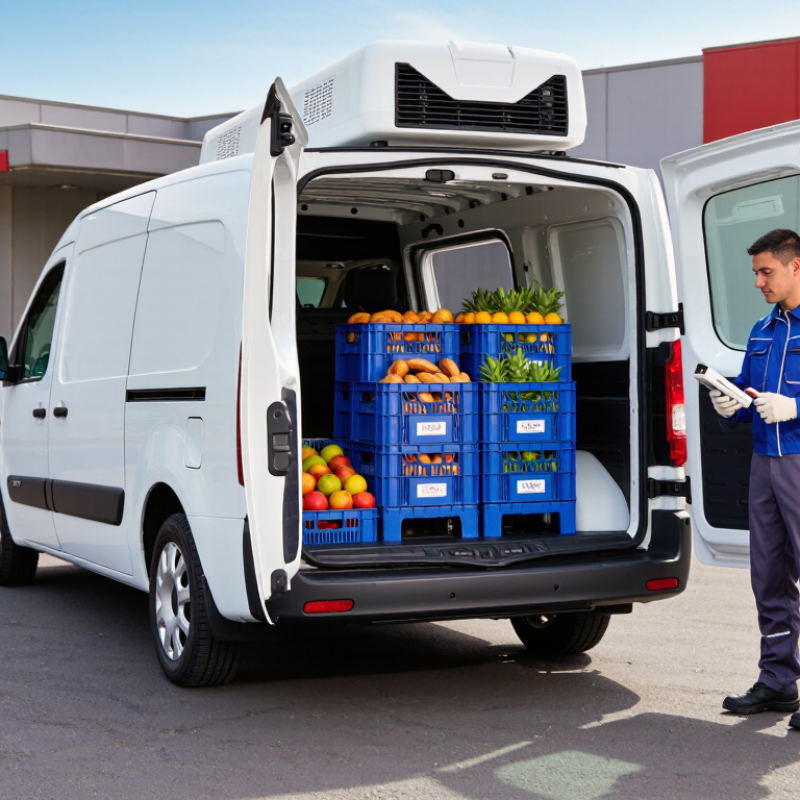
What Is a Reefer Cargo Van?
What Is a Reefer Cargo Van?
A reefer cargo van is a van fitted with an insulated cargo compartment and a refrigeration unit. The system helps keep temperature-sensitive goods within a chosen range during transport. It is commonly used for chilled food, flowers, and other products affected by heat. Unlike a household refrigerator, it works in a moving vehicle, where outside temperatures and frequent door openings can affect performance. It is not a freezer.
The refrigeration unit controls the cargo space, but it cannot instantly cool warm products. For dependable results, operators typically pre-cool the compartment, set the temperature for the specific load, and avoid blocking air vents. A simple temperature logger can reveal changes during a route. Door seals also matter; a small gap can let warm air creep in. Still, these steps are not foolproof, and real delivery conditions can be messy.
Tips: Check the cargo temperature before loading, not just the display setting. Leave room for air to circulate around boxes. Keep door-open time short, and review temperature records after delivery. If the van struggles on a hot route, reassess the load and cooling capacity.
How Does Its Refrigeration System Work?
A reefer cargo van controls temperature by moving heat out of its insulated cargo area. Its refrigeration unit circulates refrigerant through a closed loop. The compressor raises the refrigerant’s pressure, and the condenser releases heat outside the van. The cooled refrigerant then passes through an evaporator inside the cargo area, where it absorbs heat. Fans distribute the cooled air around the load. Simple, but not magic.
A thermostat monitors air temperature and signals the system to maintain the selected setting. Depending on the unit, the compressor may cycle on and off or run continuously. The thermostat measures the air, not the center of every product, so a steady display does not guarantee an evenly cooled load.
That detail matters. Pre-cool the cargo space, leave room for air to circulate, and avoid blocking the evaporator vents with boxes. Warm goods can take time to cool, even when the van’s air temperature looks right.
For better control, check temperatures with a suitable thermometer and keep the unit serviced. Door openings, damaged insulation, and a crowded load can all affect performance.
I would not treat one temperature reading as proof that every item stayed within range; checking more than one spot is wiser.
The system needs help.
Which Businesses Use Reefer Cargo Vans?
Reefer cargo vans suit businesses that move temperature-sensitive goods in smaller loads or through tight urban routes. Restaurants and caterers use them to deliver chilled ingredients between kitchens and event venues. Specialty grocers can restock dairy, prepared foods, and produce without relying on a large truck. Freshness matters.
Florists may use refrigerated vans to help protect delicate arrangements during warm-weather deliveries. Some pharmacies and laboratories also transport temperature-sensitive supplies, following the handling instructions specified for each item. A van’s cooling range and monitoring features should match the cargo; one setting does not fit every product. The fit can be less obvious for businesses with short routes, so compare actual delivery needs before investing.
Tips: Record temperatures during a typical route, including loading stops and door openings. Check insulation, service access, and usable cargo space, not just the advertised cooling capacity. Keep a simple temperature log. It can reveal problems early, though it takes staff time to maintain.
What Benefits Can a Reefer Cargo Van Offer?
A reefer cargo van helps businesses move temperature-sensitive goods without relying on a fixed delivery schedule. Its insulated cargo area and refrigeration unit can support local deliveries of chilled produce, dairy, prepared meals, or flowers. The benefit is practical: products can stay within a chosen temperature range during several stops. Less spoilage. Fewer rushed deliveries.
A van is also easier to maneuver and park than a larger refrigerated truck, especially on narrow streets or at crowded loading areas. Drivers can bring orders directly to shops, kitchens, or customers. For a small operation, that flexibility may make same-day routes more manageable. Some vans can be fitted with separate temperature zones, but added compartments reduce usable space and need careful setup.
Reliable performance depends on more than the refrigeration unit. Insulation, door seals, airflow, and regular temperature checks all matter. A unit that struggles after repeated door openings may not protect a load as expected. Keep a simple temperature log, inspect seals, and avoid packing goods so tightly that air cannot circulate. There is a trade-off: the van costs more to buy and maintain, and its capacity is limited. It is worth reviewing real route lengths, load sizes, and service needs before choosing one.
Why Choose a Reefer Cargo Van?
A refrigerated van helps businesses transport temperature-sensitive goods while maintaining a suitable environment during delivery.
Example temperature setpoints: chilled produce 5°C, dairy 3°C, fresh meat 2°C, and frozen food −18°C. Actual storage requirements vary by product, so confirm the appropriate range before transport.
What Should Businesses Consider Before Choosing One?
A reefer cargo van can protect temperature-sensitive goods, but the right choice depends on your daily work. Start with the products you carry and their required temperature range. A cooling unit’s setpoint does not guarantee every item stays at that temperature. Check how quickly the system recovers after the doors open, especially on routes with frequent stops. Measure your typical loads, too. Shelving, carts, and insulation reduce usable space and payload capacity.
Consider route length, climate, and access to charging or fuel when comparing configurations. Ask how the van performs during hot afternoons, overnight parking, and repeated loading. Review maintenance needs, warranty coverage, temperature monitoring, and local service availability. A low purchase price may not mean lower operating costs. And a van that looks right on paper may feel cramped at the loading dock. Test it with your actual containers before deciding.
Tips: Record temperatures during a representative delivery day. Note door-open times, outside conditions, and product placement. Compare those readings with your handling requirements. Small tests can reveal problems that a specification sheet misses. Don’t overlook the driver’s routine; even a reliable system can be used inconsistently when controls are unclear.