Why Choose a Compression Molding Machine?
A Compression Molding Machine can be a practical choice when a product needs consistent shape, controlled pressure, and repeatable production. The process places a measured charge of material into a heated mold, then applies pressure as the material takes shape. Depending on the compound and part design, this can support durable components with relatively simple geometry. It is not magic. Material preparation, mold temperature, and cycle timing still matter.
On a factory floor, small details can affect the result: a charge that sits off-center, a mold that has not reached its target temperature, or flash along a parting line. A well-selected machine can help manage these variables, but it cannot fix poor tooling or an unsuitable material. That distinction matters. Compression molding may suit medium-to-high production volumes, larger parts, or materials that respond well to heat and pressure. Yet cycle times, labor needs, and finishing work should be checked against the actual product.
Before choosing equipment, compare required part dimensions, clamping force, heating method, controls, and expected output. Ask suppliers how their specifications relate to your material and mold, rather than relying on headline capacity alone. I would not call this the right process for every shop. Some designs or production schedules may favor another method. A careful review of sample parts, trial results, and operating costs gives buyers a more reliable basis for deciding whether a Compression Molding Machine fits their needs.
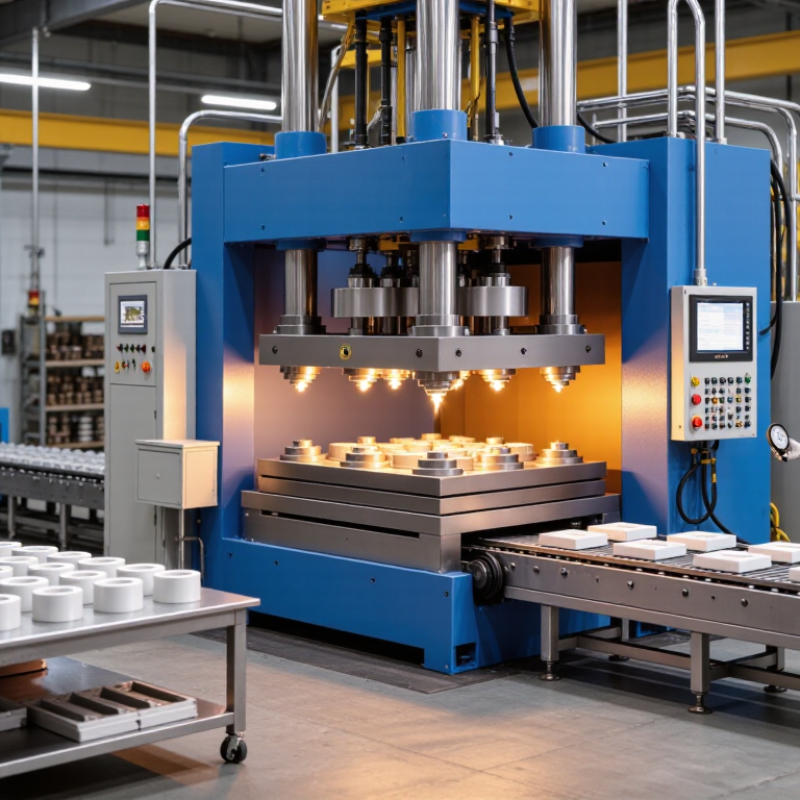
How a Compression Molding Machine Shapes Materials
Why Choose a Compression Molding Machine?
How a Compression Molding Machine Shapes Materials
A compression molding machine forms parts by pressing material inside a heated mold. An operator places a measured charge, such as a compound or preform, into the open cavity. The mold then closes, and pressure spreads the material across the shape. Heat softens or cures it, depending on the material. Then the part cools enough for removal.
Small details matter. Charge size, mold temperature, pressure, and hold time all affect the result. Too little material can leave thin areas or incomplete edges. Too much may create excess flash around the part. A well-set process can produce repeatable shapes, but the first setting is rarely perfect. Material batches and mold conditions can shift, so careful checks remain important. The method is often useful for sturdy parts with relatively simple shapes, though intricate details may require other processes.
Tips: Keep the charge centered and use consistent measurements. Check finished parts for voids, uneven surfaces, or flash. Record each adjustment; otherwise, a useful correction can be hard to repeat.
Why Choose a Compression Molding Machine? - How a Compression Molding Machine Shapes Materials | Process or Factor | Typical Data or Operation | How It Affects the Part |
| Charge placement | A measured amount of molding compound is placed in or near the cavity of an open, heated mold. | Charge size and position influence material flow, part weight, and cavity filling. |
| Mold closing and pressure | The press closes the matched mold halves and applies force. Required force depends on projected part area, material, and process settings. | Pressure drives material into the cavity and helps reproduce the mold surface and details. |
| Heating and shaping | Heated tooling softens the charge. Thermoset compounds cure in the mold; thermoplastic charges soften and take shape before cooling. | The material type determines whether the part hardens through a chemical cure or solidifies through cooling. |
| Representative mold temperatures | Many thermoset molding processes operate roughly within 140–180 °C. The appropriate temperature varies by compound and supplier specification. | Correct temperature supports consistent flow and cure; excessive or insufficient heat can cause defects or longer cycles. |
| Curing or cooling time | The mold remains closed for the time required by the material, part thickness, and process conditions. There is no single cycle time for all parts. | Adequate time helps the part reach the required strength or rigidity before ejection. |
| Ejection and finishing | After curing or cooling, the mold opens and the part is removed. Flash or excess material may need trimming. | Mold design and process control affect release, edge quality, and the amount of secondary finishing. |
| Common materials | Examples include sheet molding compound (SMC), bulk molding compound (BMC), phenolic compounds, rubber compounds, and some thermoplastics. | Material choice depends on required strength, heat resistance, electrical properties, geometry, and production needs. |
| Why choose compression molding? | It can produce relatively large, durable parts and is suitable for many fiber-reinforced and thermoset components. | It is often considered when part geometry, material properties, and production volume suit a heated matched-die process. |
| Key process controls | Monitor charge mass and placement, mold temperature, press force, closing speed, and cure or cooling time. | Consistent settings help reduce incomplete filling, porosity, warpage, and variation between parts. |
Note: Conditions are general examples, not universal specifications. Final settings should follow the material supplier’s recommendations and be validated for the part and mold.
Which Materials and Products Suit Compression Molding?
Compression molding is especially suited to materials that soften or cure under heat and pressure. Common choices include thermosetting compounds such as sheet molding compound (SMC) and bulk molding compound (BMC), plus rubber and selected thermoplastics. SMC can form broad, rigid panels; BMC suits smaller, detailed parts. Think electrical housings, appliance components, automotive panels, seals, and handles. The fit depends on the resin, part geometry, and required strength—not just the machine.
The scale is substantial. PlasticsEurope’s Plastics—The Fast Facts 2024 reports 413.8 million tonnes of global plastics production in 2023. That figure covers many processes, not compression molding alone. Still, it shows why choosing the right material matters.
For fiber-reinforced parts, compression molding can shape chopped fibers into sturdy components with less trimming than some alternatives. Details matter. Thick ribs or uneven material charges can cause incomplete filling or inconsistent surfaces.
OECD’s Global Plastics Outlook reports that only 9% of plastic waste was ultimately recycled in 2019, a reminder to consider material recovery during product design. Compression molding is not automatically the greener choice; material selection and scrap handling still need careful review.
What Production Benefits Does Compression Molding Offer?
Why Choose a Compression Molding Machine?
What Production Benefits Does Compression Molding Offer?
Compression molding can produce consistent, detailed parts with fewer assembly steps. Operators place a measured charge into a heated mold, then apply pressure until the material fills the cavity and cures. This suits parts with ribs, curved surfaces, or molded-in inserts. Once the process is dialed in, repeatable mold conditions can help control dimensions and reduce trimming. That matters on a busy production line.
The method can also support efficient use of material: a carefully sized charge limits excess flash, though setup errors still create scrap. For composite vehicle parts, lower weight can bring downstream value. The U.S. Department of Energy’s lightweight-materials reporting estimates that reducing vehicle weight by 10% can improve fuel economy by roughly 6–8%. That figure is not a compression-molding result; it explains why manufacturers value lightweight components. Tooling can be costly, and cycle times vary. The trade-off deserves a real production trial.
Tips: Weigh each charge, check mold temperature, and inspect the first parts for flash or incomplete fill. Record cycle times across several runs. One good batch proves little. Variability can return.
Where Are Compression-Molded Parts Used?
Compression-molded parts are found wherever manufacturers need repeatable shapes, sturdy surfaces, and efficient production.
In vehicles, glass-fiber composite panels, battery covers, and interior parts can reduce weight while tolerating heat and vibration. Electrical equipment uses molded insulating housings and switch components.
Building products include access covers, panels, and corrosion-resistant fittings. Small parts matter.
The European Composites Industry Association’s 2022 market report estimated European composites production at about 2.6 million tonnes, identifying transport and construction among significant end-use sectors.
The figure covers composites overall, not compression molding alone, so it should not be treated as a process-specific market estimate. Still, it shows why molded composite parts matter across industries.
Material choice changes the result: a component exposed to road salt needs different protection from a dry indoor housing. Compression molding can suit both, but it is not automatically the best option. Tooling cost, part geometry, and production volume deserve a close review before selecting the process.
How to Decide Whether Compression Molding Is the Right Choice
Choosing compression molding starts with the part, not the machine. Examine its shape, wall thickness, material, and expected production volume. The process is often a strong fit for sturdy parts with fairly simple geometry, especially when made from thermoset compounds or selected thermoplastics. An operator places a measured charge into a heated mold, then closes the press. Heat and pressure form the part; curing or cooling time depends on the material. That matters.
Think about what the process asks of your design. Deep, narrow features may complicate material flow, while uneven thickness can create inconsistent results. A small trial run can reveal issues such as flash at the mold edge, surface marks, or difficult trimming. These details are easy to underestimate. Check the finished part against its required dimensions and performance, rather than assuming a lower-cost tool guarantees a lower total cost.
Compare the full production picture. Compression molding may offer economical tooling and material use for suitable parts, but labor, cycle time, finishing, and scrap also affect cost. High volumes or complex features may make another process worth evaluating. Ask a qualified process engineer to review material data, tolerances, and sample parts before committing. The answer is not always obvious. A design that looks ideal on paper may need revision after the first molded samples arrive.