

- 713.590.1312
- sale@pandbtools.com
What Is the Best Moto Cruiser Made in China?
Choosing the best Moto Cruiser made in China takes more than comparing engine sizes or shiny paint. A capable cruiser should feel steady on a winding road, deliver smooth low-speed torque, and remain comfortable after an hour in the saddle. The details matter: handlebar reach, seat support, brake feel, vibration, and how easily the bike moves through a tight parking space. Small things count.
Motorcycle engineer and technical writer Kevin Cameron is known for explaining how motorcycle design involves competing priorities. A useful takeaway from his engineering perspective is: “A motorcycle is a set of compromises, not a collection of headline numbers.” That idea fits Chinese cruisers especially well. Some models offer strong value and modern equipment, while others may impress in a showroom but feel heavy or unfinished on real roads. I would not judge one by styling alone. A low seat can look inviting, yet poor suspension can make broken pavement tiring. Before choosing, compare the warranty, dealer support, parts availability, and independent road tests alongside price and specifications. Seek a test ride, if possible. This guide examines the leading contenders through practical ownership questions, not brand hype. It also recognizes an uncomfortable truth: model quality and after-sales support can vary by market, even when the badge is the same. The best Moto Cruiser is the one that suits your roads, riding posture, budget, and expectations—and keeps feeling right beyond the first impression.
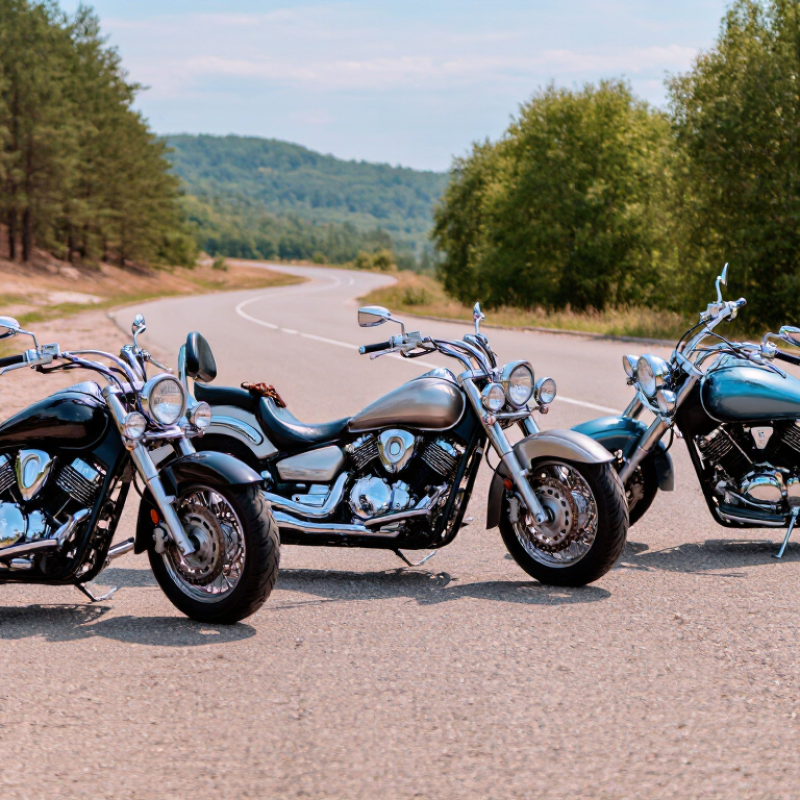
Defining the Moto Cruiser and Its Essential Features
A moto cruiser is defined less by engine size than by its relaxed riding posture and steady, low-speed character. The rider usually sits upright or slightly reclined, with feet forward and hands comfortably within reach. A low seat makes it easier to plant both boots at a stop. Wide handlebars and a long wheelbase can add a calm, planted feel, though they may make tight parking turns less effortless. The silhouette matters, but it is not the whole story.
Look for usable torque at low engine speeds, predictable throttle response, and suspension that handles rough pavement without feeling harsh. A comfortable seat and manageable weight matter on real roads, not just in showroom photos. Braking and rider aids deserve equal attention. IIHS research found that motorcycles equipped with anti-lock braking systems had a 22% lower rate of fatal crash involvement than comparable models without ABS. That figure is not a guarantee for any individual ride. It is a useful reminder that cruiser comfort should not come at the expense of control. A common mistake is treating a low seat as proof that a bike is easy to handle; weight, steering geometry, and balance at walking speed count too. Check how the machine feels during a slow U-turn. That test can be humbling.

How Chinese Cruiser Motorcycles Are Designed and Made
A Chinese cruiser begins with a riding brief: relaxed posture, predictable low-speed handling, and enough torque for smooth starts. Designers translate that brief into frame geometry, seat height, handlebar reach, and foot-control positions. A full-size clay or digital model helps check proportions before tooling begins. Small details matter.
Engineering teams then match the engine, transmission, frame, and suspension as one system. They test vibration, braking, heat, and durability on proving grounds and public-road conditions. Production adds repeatable controls: measured welds, torque-checked fasteners, and inspection of paint and electrical connections. CAAM’s 2023 industry figures report about 21.2 million motorcycles produced in China across all categories; that scale does not mean every cruiser receives identical development or testing.
Tips: Check your riding posture on a stationary bike. Look for easy reach to the bars and controls, and ask how the model’s durability tests were conducted. Numbers can reassure, but a stiff seat or awkward reach may matter more on a long ride.
What Is the Best Moto Cruiser Made in China?
How Chinese Cruiser Motorcycles Are Designed and Made
Engine displacement is one design choice, not a measure of overall quality. The bars show calculated examples for twin-cylinder engines, using displacement = π ÷ 4 × bore² × stroke × 2. These are mathematical examples, not specifications for particular motorcycles. A cruiser’s suitability also depends on factors such as ergonomics, gearing, weight, braking, and intended use.
Comparing Leading Chinese Cruiser Models
Choosing the best Chinese cruiser depends less on styling than on how the motorcycle fits your roads and riding habits. Smaller-displacement models often feel easier to maneuver in traffic and simpler to park. Their lighter weight can make slow turns less intimidating. On the open road, though, some may feel strained when carrying a passenger or maintaining highway speed. Check the seat, footpeg position, and handlebar reach in person; photographs rarely reveal wrist pressure or knee comfort.
Mid-size cruisers offer a practical balance for many riders. They typically provide more passing power than entry-level machines without the bulk of larger touring-oriented models. Compare engine smoothness, braking feel, and suspension response over rough pavement. A plush-looking seat is not proof of comfort after two hours. Take a test ride if possible. Even a short loop can expose awkward controls or excessive vibration.
Larger Chinese cruisers may bring stronger acceleration, more substantial frames, and useful touring equipment. Those features also add weight, which matters when backing out of a sloped parking space. Look closely at service access, parts availability, warranty terms, and the clarity of the owner’s manual. These details vary by model and market, so verify them with a local dealer rather than relying on online specifications alone. I would not call one class universally best; comfort and dependable support can matter more than engine size.
Evaluating Performance, Comfort, Reliability, and Price
A Chinese-made cruiser is best judged by how it behaves on ordinary roads, not by its styling alone. Engine size matters less than smooth low-speed response and steady power during passing. On a test ride, listen for rattles, feel for clutch drag, and check whether the brakes work progressively. Small details count.
Comfort becomes clear after more than ten minutes in the saddle. A low seat can help at traffic lights, but forward-set foot controls may strain shorter riders. Check whether the handlebars let your shoulders stay relaxed. The suspension should absorb broken pavement without making the bike feel vague in corners. I once focused too much on seat height; wind pressure made the longer ride tiring.
Reliability is difficult to judge from a short showroom visit. Ask for maintenance records, inspect hose connections and fasteners, and look for a clear service plan. Parts availability can vary by region, so confirm routine items before buying. Price should include protective gear, scheduled service, and any delivery costs, not just the sticker. A cheaper cruiser may be sensible, but only if its fit and support suit your daily use. One test ride is not enough.
Factors to Consider When Selecting a Chinese Moto Cruiser
Choosing a Chinese moto cruiser starts with the ride you actually want, not the largest engine on a spec sheet. Check displacement, torque delivery, and gearing together; a smooth pull at low speed often matters more in town than peak power. Sit on the bike and note where your knees fall, how far you reach, and whether the handlebars strain your wrists. Fit matters.
Weight deserves a close look, especially when parking on a slope or making slow turns. Ask for a test ride if possible, and check how the brakes feel during gentle and firm stops. Review the owner’s manual for service intervals, then ask local repair shops about parts availability and routine maintenance. These practical details can vary by model and region, so confirm them rather than relying on a sales description.
Compare warranty terms, dealer support, and the clarity of the service records. A lower purchase price may be less attractive if common replacement parts take weeks to arrive. I would also inspect welds, fasteners, paint edges, and wiring; a quick showroom glance can miss uneven finishing. Still, appearance alone proves little about long-term reliability. That trade-off is real. The best choice is the cruiser that feels manageable, suits your routes, and has support you can verify.
| What Is the Best Moto Cruiser Made in China? - Factors to Consider When Selecting a Chinese Moto Cruiser | |||
|---|---|---|---|
| Factor | Why It Matters | What to Compare or Verify | Practical Guidance |
| Engine and Intended Use | Engine size alone does not determine how a motorcycle performs. Torque delivery, gearing, total weight, and riding conditions also affect acceleration and comfort. | Compare published engine specifications, power and torque figures, transmission, and the intended use stated in the owner’s manual. | Choose an engine and gearing suited to your typical roads, speeds, passenger use, and riding experience. |
| Riding Position and Fit | A cruiser’s seat, handlebars, and foot controls shape rider comfort and control. Fit varies with the rider’s height, leg length, and reach. | Check seat height, handlebar reach, foot-control position, and whether you can comfortably support the motorcycle when stationary. | Whenever possible, sit on the motorcycle and take a supervised test ride before deciding. |
| Weight and Handling | A heavier motorcycle can require more effort at low speeds, while weight distribution and steering geometry also influence handling. | Compare the stated running or kerb weight using the same measurement basis, and assess turning, parking, and slow-speed balance. | Prioritize manageable low-speed handling, especially if you are a newer rider or often park in tight spaces. |
| Braking and Safety Equipment | Braking performance and available safety systems affect control in changing road conditions. Equipment can vary by model and market. | Confirm the fitted braking system, whether ABS is included, and the motorcycle’s compliance with regulations where it will be registered. | Verify the exact version being sold; specifications in one market may not apply to another. |
| Suspension and Passenger Comfort | Suspension setup, seat design, and available travel influence comfort over bumps and when carrying a passenger or luggage. | Review the suspension layout and adjustment options, passenger seating, load limits, and guidance in the owner’s manual. | Consider the roads you ride most often and test the bike with your usual riding gear where possible. |
| Fuel Range and Running Costs | Fuel capacity does not by itself determine range; actual fuel use depends on the motorcycle, load, speed, and riding conditions. | Compare the published fuel capacity and consumption information, and check local fuel, insurance, and routine service costs. | Estimate range using credible consumption figures for the specific model and your likely riding conditions. |
| Parts and Service Access | Regular maintenance and access to replacement parts affect ownership convenience and the time a motorcycle may be out of use. | Ask about local service support, parts availability, warranty coverage, maintenance schedules, and the process for warranty repairs. | Confirm support in your area before purchase rather than relying only on general online availability. |
| Build Quality and Warranty | Consistent assembly, reliable components, and clear warranty terms contribute to long-term ownership confidence. | Inspect finish, controls, fasteners, wiring, and leaks; review written warranty coverage, exclusions, and required service conditions. | Compare the actual motorcycle and written documents, not just photographs or broad claims. |
| Road Legality and Documentation | Registration, emissions, lighting, and other requirements differ by jurisdiction and can affect whether a motorcycle may be used legally. | Confirm that the exact model and version has the required approval, documents, and equipment for your location. | Check with the relevant local authority or registration service before completing a purchase. |
| Overall Value | The purchase price is only one part of ownership. Equipment, servicing, insurance, consumables, and resale demand can change the total cost. | Compare the on-road price, included equipment, warranty, expected maintenance, insurance quotes, and local resale conditions. | Choose the motorcycle that best matches your needs and support options, rather than relying on price or displacement alone. |
| Selection note: There is no single best cruiser for every rider. Compare the exact model year and market version, verify specifications from official documents, and prioritize fit, safety, local service support, and intended use. | |||