
- 713.590.1312
- sale@pandbtools.com
What Is a Sewer Cleaning Machine?
A Sewer Cleaning Machine removes blockages, sediment, grease, and invasive roots from underground pipelines. It combines water pressure, rotating nozzles, suction, or mechanical cutting tools. The chosen system depends on pipe diameter, material, access conditions, and blockage severity. A compact jetter may serve a narrow residential line. Larger combination units can flush debris while vacuuming wastewater into a sealed tank.
It is practical equipment. Not magic.
Ted DeBoda, a recognized sewer infrastructure educator, offers a useful reminder: “The camera shows the problem; cleaning restores the pipe.” That principle connects inspection with responsible maintenance. Operators often begin by checking the access point, flow direction, and pipe condition. They then select a nozzle that matches the cleaning objective. Too much pressure can damage fragile pipes. Too little pressure may leave hardened deposits behind.
A reliable Sewer Cleaning Machine also depends on skilled handling. The operator watches hose movement, pressure readings, recovered debris, and discharge conditions. Small details matter. A greasy rag, cracked fitting, or unusual odor can reveal a larger maintenance issue. Safety procedures, equipment inspections, and proper wastewater control remain essential during every job.
The process is not always neat. Some blockages return because the underlying defect remains. That limitation deserves attention. Effective cleaning should support inspection, documentation, and future repair planning. When used thoughtfully, this machine helps protect drainage systems, reduce emergency callouts, and extend pipeline service life. Its performance reflects both engineering and human judgment.
What Is a Sewer Cleaning Machine? Definition and Core Components
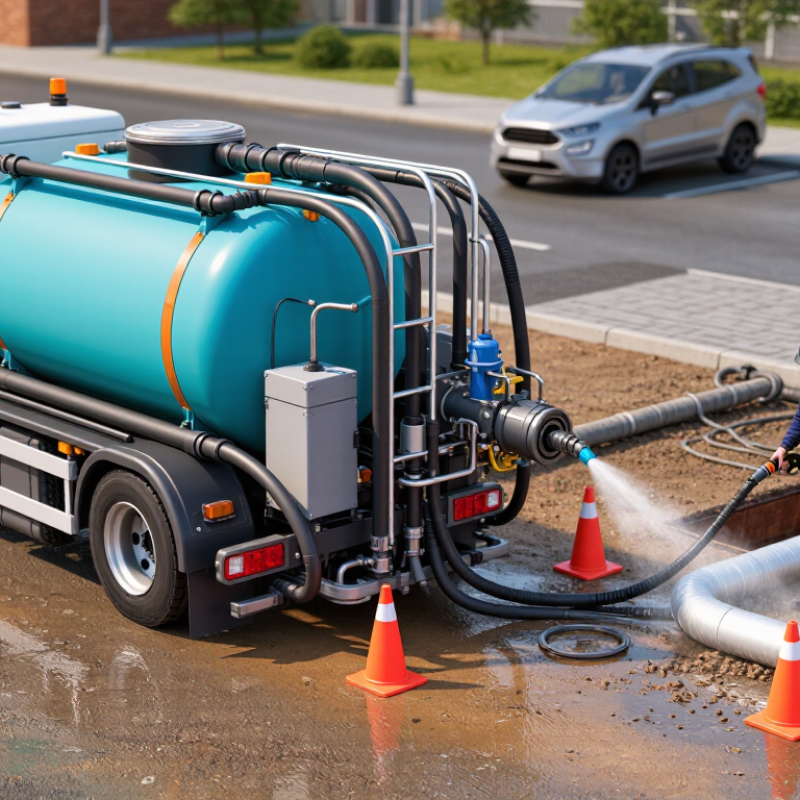
A sewer cleaning machine is equipment designed to remove blockages, sediment, grease, roots, and accumulated debris from underground pipelines. It restores flow without excavating the entire line. The definition is not perfectly fixed. Some machines use high-pressure water, while others use mechanical cables, cutting heads, or vacuum systems.
A hydro-jetting unit typically includes a water tank, high-pressure pump, hose reel, control panel, and rotating nozzle. The nozzle breaks deposits from pipe walls and pushes loosened material toward an access point. A mechanical cleaner uses a powered drum, flexible cable, and interchangeable tools. Cutting heads can address roots or hardened buildup. Vacuum-assisted systems collect liquid and debris, reducing uncontrolled discharge around the work area. Operators often add CCTV inspection, because cleaning without visual verification can leave hidden damage unnoticed.
The U.S. Environmental Protection Agency’s 2022 Clean Watersheds Needs Survey estimated $630.1 billion in national wastewater infrastructure needs, including collection and conveyance systems. That figure shows why maintenance equipment matters. The Water Environment Federation also emphasizes inspection, controlled cleaning, and safe operating procedures in wastewater collection guidance. In practical work, nozzle pressure, flow rate, pipe diameter, and blockage type must match. More pressure is not always better. It may damage fragile joints or expose an already weakened pipe. Field decisions remain imperfect, especially when records are outdated or access points are buried. A small camera head, muddy water, and poor lighting can still limit certainty.
How Sewer Cleaning Machines Work: 1,500–4,000 psi Water Jetting
What Is a Sewer Cleaning Machine?
A sewer cleaning machine removes sediment, grease, roots, and loose debris from underground pipes. Its core system includes a water tank, high-pressure pump, hose reel, and specialized nozzle. Many units also use vacuum equipment to recover loosened material. The U.S. EPA’s 2022 Clean Watersheds Needs Survey estimated $630.1 billion in wastewater infrastructure needs over 20 years. Regular cleaning helps protect that investment.
How Sewer Cleaning Machines Work: 1,500–4,000 psi Water Jetting
Water jetting typically operates between 1,500 and 4,000 psi, depending on pipe size, blockage type, and lining condition. The pump sends water through a nozzle, creating forward and backward thrust. Forward jets cut through deposits. Rear jets pull the hose through the pipe and wash debris toward the access point. Flow rate matters too. Pressure alone can mislead.
Field technicians often inspect pipe condition before selecting a nozzle. Older clay or cracked pipes may need lower pressure and slower hose movement. A 2023 report from the National Association of Sewer Service Companies emphasizes preventive cleaning, inspection, and worker training as key maintenance practices. In practice, results depend on nozzle design, water volume, and operator judgment. Even experienced crews can misjudge hardened grease. That mistake wastes water and time. Clear records, camera inspection, and measured cleaning intervals make the process more reliable.
What Is a Sewer Cleaning Machine? - How Sewer Cleaning Machines Work: 1,500–4,000 psi Water Jetting
Typical operating characteristics and practical uses of water-jet sewer cleaning equipment
| Data Dimension | Typical Range or Specification | How It Works or Why It Matters | Common Use |
|---|---|---|---|
| Operating Pressure | 1,500–4,000 psi | A high-pressure pump forces water through a specialized nozzle. The pressure helps break up deposits and loosen material from the pipe wall. | Routine cleaning of building drains, laterals, storm drains, and municipal sewer lines. |
| Water Flow Rate | Approximately 10–80 gal/min | Flow carries loosened grease, sediment, and debris downstream. The required flow depends on pipe diameter, blockage severity, and equipment size. | Lower flow for small service lines; higher flow for larger commercial and municipal pipes. |
| Cleaning Mechanism | Pressurized water plus nozzle thrust | Rear-facing nozzle jets propel the hose through the pipe while forward or angled jets scour the interior surface. | Removing grease, sludge, scale, sand, roots, and loose deposits. |
| Typical Pipe Diameter | About 2–36 in | The practical range depends on pump capacity, hose size, nozzle design, access conditions, and the amount of debris present. | Household drain lines, service laterals, commercial drains, stormwater pipes, and selected sewer mains. |
| Hose Length | Approximately 100–1,000 ft | Longer hoses allow cleaning from a distant access point, but pressure loss and friction increase with hose length. | Short portable units for buildings; longer reels for streets, industrial sites, and municipal work. |
| Hose Construction | High-pressure reinforced hose | The hose must tolerate the machine's working pressure, repeated bending, abrasion, and contact with wastewater. | Controlled insertion into drains and retrieval after cleaning. |
| Pump Type | Positive-displacement plunger pump | A reciprocating plunger pump converts engine or motor power into a controlled combination of pressure and water flow. | Continuous jetting operations where stable pressure and flow are required. |
| Power Source | Electric motor, gasoline engine, or diesel engine | Electric units are commonly used indoors or where low emissions are important. Engine-driven units provide greater mobility and capacity. | Indoor maintenance, service vehicles, trailers, and heavy-duty field operations. |
| Water Supply | Fresh-water tank or approved site connection | The pump requires a consistent water supply. A tank supports mobile work, while a site connection may be used when local rules and flow conditions allow it. | Remote cleaning, scheduled maintenance, and emergency blockage response. |
| Nozzle Selection | Penetrating, flushing, rotary, root-cutting, or descaling designs | Nozzle geometry controls thrust, spray angle, cutting action, and debris transport. The nozzle should match the pipe condition and diameter. | Different tools are selected for grease, roots, mineral scale, heavy sediment, or general flushing. |
| Cleaning Direction | Usually upstream from an access point | The operator advances the nozzle into the line and then retrieves it while the water jets wash debris toward a suitable collection or downstream point. | Cleaning between manholes, cleanouts, catch basins, and building access points. |
| Typical Productivity | Highly variable; often measured by cleaned pipe length per hour | Output depends on pipe size, blockage type, access spacing, hose handling, water supply, and whether vacuum recovery is required. | Preventive maintenance, blockage removal, and preparation for CCTV inspection. |
| Debris Handling | Downstream flushing or vacuum recovery | Water jetting dislodges material but does not automatically remove it from the system. Heavy debris may require a vacuum unit or manual removal. | Grease removal, sediment control, and cleaning before inspection or repair. |
| Safety Requirements | Trained operator, protective equipment, hose control, and pressure-rated components | Water at 1,500–4,000 psi can cause serious injury. Operators should control access, inspect equipment, and never direct a jet toward people or exposed skin. | All residential, commercial, industrial, and municipal jetting work. |
| Key Performance Factors | Pressure, flow, nozzle design, hose size, and pipe condition | Pressure alone does not determine cleaning performance. Effective results require a balanced combination of pressure and flow for the specific pipe and deposit. | Equipment selection, job planning, and consistent cleaning results. |
Note: The specifications shown are typical industry ranges rather than universal limits. Actual operating values should be selected according to pipe material, pipe diameter, access conditions, deposit type, local regulations, and the equipment manufacturer's rated limits.
Main Machine Types: Jetters, Rodding Units, and 2,000–4,000 CFM Vacuums
A sewer cleaning machine clears blockages, sediment, grease, and standing wastewater from underground pipes. Its design determines how it attacks the problem. Jetters, rodding units, and high-volume vacuums serve different purposes. A jetter pushes pressurized water through a flexible hose. Rear-facing nozzles pull the hose forward while washing pipe walls. The water also carries loosened debris toward an access point. Watch the hose. Experienced operators match nozzle size, pressure, and flow to the pipe condition. Excessive force can damage weak joints or old liners.
Rodding units use connected steel rods and cutting heads. They work well against compacted grease, mineral scale, and stubborn root growth. Their mechanical action gives the operator direct feedback through the rod. They are stubborn. However, rodding may break material apart without removing every fragment. A follow-up flush or vacuum pass may be necessary. I have found that access distance and pipe bends often matter more than advertised machine power.
A 2,000–4,000 CFM vacuum removes water, silt, sludge, and larger solids after cleaning. Higher airflow helps move material through longer hoses and deeper structures. It does not automatically create better suction. Hose diameter, lift height, tank capacity, and filter condition also affect performance. Operators should inspect the tank, seals, and hose before work begins. Small leaks can reduce airflow quickly. In confined spaces, careful setup remains essential, especially when wet debris makes the ground unstable.
Key Specifications: 20–80 GPM Flow Rates and 6–48 Inch Pipes
A sewer cleaning machine uses pressurized water to break apart debris and wash it through underground pipes. Its practical value depends on matching water flow to pipe size, blockage type, and access conditions. Flow rates commonly range from 20 to 80 gallons per minute (GPM), while supported pipe diameters may span 6 to 48 inches.
A 20–35 GPM setup can suit smaller 6–12 inch lines, especially where grease, sand, or light sediment has collected. Larger 18–48 inch pipes often require 50–80 GPM to move loosened material effectively.
More water is not automatically better. Excessive flow can waste water, reduce hose control, or push debris into another restricted section. Pressure also matters, but flow usually determines how far and how efficiently material travels.
In field inspections, I check the pipe diameter before selecting a nozzle. A nozzle that works well in a 6-inch line may clean poorly inside a 36-inch pipe. The machine should also provide stable hose handling, accurate pressure controls, and enough hose length for the work zone. Conditions can change quickly. A dry-looking pipe may conceal compacted roots or heavy grit. I have found that specification charts can oversimplify real jobs, so operators should record cleaning results and adjust flow carefully during each service.
Safe Operation Under OSHA 29 CFR 1910.146 Confined-Space Rules
What Is a Sewer Cleaning Machine?
Safe Operation Under OSHA 29 CFR 1910.146 Confined-Space Rules
A sewer cleaning machine removes blockages with rotating cables, high-pressure water, or both. Operators may work beside an opening, but that does not remove confined-space hazards. Sewers can contain toxic gases, low oxygen, sudden water flow, and unstable structures. The equipment needs trained handling, guarded moving parts, and clear communication.
Under OSHA 29 CFR 1910.146, a sewer may qualify as a permit-required confined space. Before entry, a qualified team should identify hazards, isolate flow, and test the atmosphere. Testing should cover oxygen, flammable gases, and expected toxic contaminants. Ventilation may help, but it never replaces continuous monitoring. An attendant should remain outside, track entrants, and summon rescue support when needed.
The entry supervisor must confirm permits, training, communication, and rescue arrangements. Workers should never rely on smell or a previous test. Conditions can change quickly. A hose can shift, a cable can recoil, and rising water can trap a person within minutes. Even experienced crews can underestimate these risks. A checklist may look complete and still miss an altered worksite. Stop the job when readings, weather, access, or equipment behavior changes. OSHA rules provide a framework, but site-specific procedures and applicable local requirements must also be verified by responsible safety professionals.