What is Waterjet Cutting Machinery and How Does It Work?
waterjet cutting machinery is a revolutionary technology in the manufacturing industry. This method uses high-pressure water streams to cut through various materials with precision. John Archer, a renowned expert in waterjet technology, once stated, “Waterjet cutting offers unmatched versatility and detail.” His words emphasize the importance of this technology.
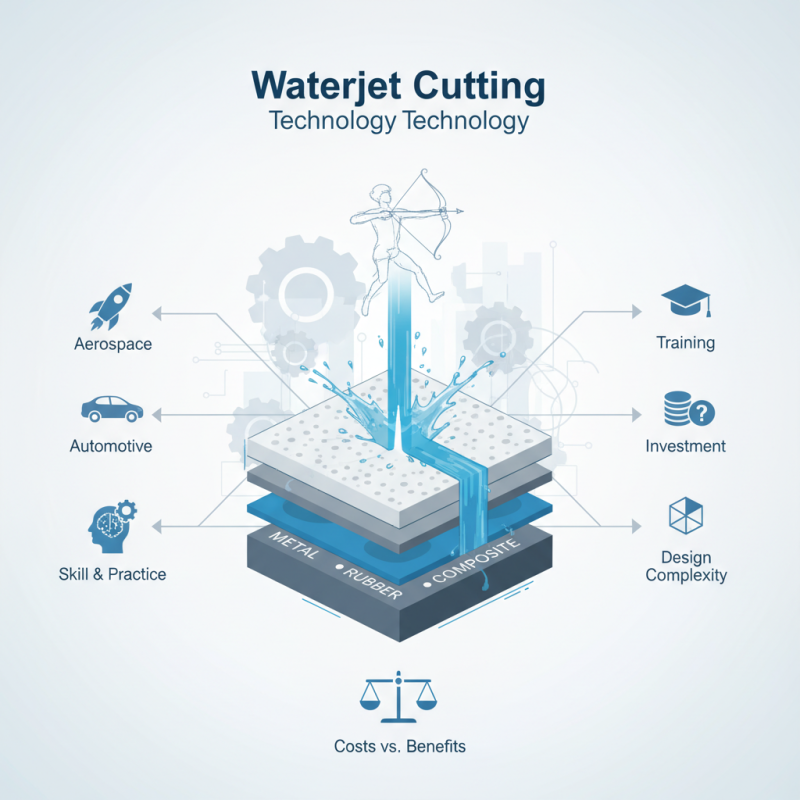
In recent years, the demand for waterjet cutting has surged. Industries from aerospace to automotive have embraced this method for its efficiency. waterjet cutting machinery can handle materials ranging from metals to glass, making it incredibly versatile. However, mastering waterjet technology requires practice and understanding.
Despite its advantages, some challenges are worth noting. With the rising complexity of designs, operators need additional training. The investment in waterjet cutting machinery can also be significant. Companies must balance costs with benefits. Thus, while waterjet cutting is remarkable, it takes thoughtful planning and skilled operators for success.
What is Waterjet Cutting Machinery?
Waterjet cutting machinery is a powerful tool used to cut through a variety of materials. It utilizes a high-pressure stream of water mixed with an abrasive substance. This combination enables it to slice through metal, glass, stone, and even ceramics with precision. The process is efficient and versatile, making it popular in many industries, including manufacturing and construction.
The machinery operates by pressurizing water up to 90,000 psi, forcing it through a tiny orifice. This creates an extremely focused stream of water that can cut materials cleanly without generating excess heat. It’s interesting to note that waterjet cutting creates minimal waste and can produce intricate designs with ease. However, there’s a learning curve involved in mastering the machine and its settings.
Despite its advantages, there are challenges to consider. The initial setup can be complex, and maintenance may require regular attention. Moreover, while it excels in certain materials, it may not be the best choice for everything. Users must assess what they intend to cut. Understanding the limitations is vital for maximizing efficiency.
What is Waterjet Cutting Machinery?
| Dimension | Details |
| Cutting Method | Using high-pressure water to cut materials |
| Applications | Metal fabrication, stone cutting, glass shaping, and more |
| Material Compatibility | Metals, ceramics, plastics, rubber, and composites |
| Advantages | No heat-affected zone, precise cutting, and versatility |
| Challenges | High initial cost and slower cutting speed for thick materials |
| Waterjet Pressure Range | Up to 90,000 psi (pounds per square inch) |
History and Evolution of Waterjet Cutting Technology
The history of waterjet cutting technology dates back to the 1930s. Early pioneers discovered that water, when forced through a nozzle, could cut materials. However, it was not until the 1970s that waterjet cutting gained widespread attention. Engineers experimented with high-pressure systems, increasing the effectiveness of this method. They often encountered challenges, such as limited material capabilities and the need for precise controls.
Over the years, technological advancements transformed waterjet cutting. The introduction of garnet as an abrasive material greatly improved cutting efficiency. Operators began to use computer numerical control (CNC) systems to enhance precision. This evolution allowed for intricate designs and complex shapes. Yet, the machinery remained costly for many industries, prompting discussions about accessibility. Balancing cost and functionality was a continuous challenge faced by many users.
Manufacturers have embraced the advancements in waterjet technology. New features, like automation and safety enhancements, have emerged as priorities. While the technology has progressed, some still reflect on the limitations of early models. These reflections highlight the importance of continued innovation. Waterjet cutting has a rich history, and its evolution showcases both triumphs and hurdles.
Key Components of Waterjet Cutting Systems
Waterjet cutting systems are gaining traction in various industries due to their precision and versatility. A typical waterjet cutting system has several key components. These include the pump, the nozzle, and the abrasive material. The pump pressurizes water, generating immense force. It can reach pressures of up to 60,000 PSI, enabling the water to cut through materials efficiently.
The nozzle plays a critical role in shaping the water stream. It constricts the water flow, allowing it to exit at high speeds. This accelerates the cutting process significantly. Many systems also incorporate an abrasive material, like garnet, to enhance cutting capabilities. According to industry reports, using abrasives can increase cutting speeds by up to 30%, making the process more efficient.
Also noteworthy are the control systems integral to waterjet machines. These systems can automate cutting with high precision. This reduces human error, but not completely. Operators must still understand material properties and machine settings. Effective training remains essential. Despite the efficiency, some operators face challenges in optimizing the settings for various materials. Understanding these components leads to better performance and less material waste.
Principles of Operation: How Waterjet Cutting Works
Waterjet cutting technology uses a high-pressure stream of water to slice through various materials. This method is known for its precision and versatility. Waterjet cutting can handle metals, stone, glass, and even composite materials without generating heat. The process begins by pressurizing water to extremely high levels. This stream is then directed through a fine nozzle, creating a powerful jet.
One important principle here is the use of garnet abrasive added to the water. This combination enhances cutting capability. When the water hits the material, it creates a focused force, cutting through thick surfaces with ease. The process generates minimal waste, making it eco-friendly. Observing how it operates, users may notice that maintainability is key. Regular checks can help ensure optimal performance.
Tips: When using waterjet cutting, focus on material type and thickness. Consult with experts to achieve the best setup. Remember, even a small miscalculation in settings can lead to imperfect cuts. Keeping the machinery well-maintained can help avoid such issues. Finally, always prioritize safety. Waterjets operate under high pressure, so protective gear is essential. Staying aware of potential risks can make all the difference.
Advantages and Applications of Waterjet Cutting in Various Industries
Waterjet cutting technology has gained popularity across various industries. It uses high-pressure water to cut through materials. This method is clean and efficient, making it suitable for multiple applications.
Waterjet cutting excels in industries like aerospace, automotive, and manufacturing. In aerospace, it precisely shapes parts from tough materials. The automotive sector benefits from its ability to cut complex designs in metals. Additionally, manufacturers use waterjet cutting to create intricate patterns in materials like glass and stone. Its versatility is impressive.
Tips for using waterjet cutting effectively: always check material thickness before cutting. Thin materials may require adjustments to the pressure settings. Regular maintenance of the machinery is crucial for optimal performance. Over time, even a small wear in the nozzle can lead to inaccuracies. Investing time in training staff on this machinery can also enhance productivity. Everyone makes mistakes, but learning from them is key for improvement.