Why You Should Use an Electrical Current Tester for Safety?
In today's electrically reliant world, safety is paramount. Richard Greene, a leading electrical safety expert, emphasizes, "Using an Electrical Current Tester can prevent life-threatening accidents." This statement highlights the critical role of an Electrical Current Tester in ensuring safe electrical practices.
Many may overlook the importance of testing electrical currents. Yet, improper handling of electrical systems can lead to severe injuries or even fatalities. An Electrical Current Tester provides real-time measurements, allowing users to identify live wires or potential hazards. This simple device could be the difference between safety and disaster.
However, an Electrical Current Tester is only effective if used correctly. Improper usage or neglecting its importance can lead to dangerous situations. Regularly checking and maintaining this tool is essential. The commitment to electrical safety should not be taken lightly, as the consequences of negligence can be dire. Embracing this essential tool is a step toward a safer environment for everyone.
Understanding Electrical Current Testers and Their Importance
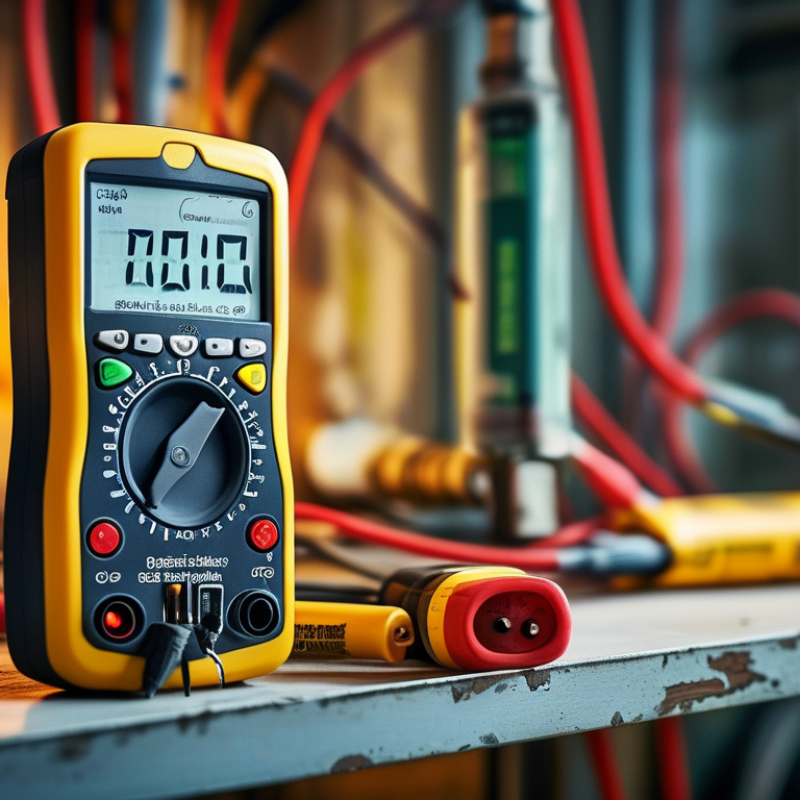
Electrical current testers are essential tools in ensuring safety during electrical work. The National Fire Protection Association (NFPA) reports that electrical failures contribute to over 30,000 fires annually. These incidents highlight the importance of reliable testing equipment. Electricians can identify live wires and faulty circuits effectively with these testers. This practice reduces the risk of electrical shocks, which account for nearly 1,000 deaths each year in the United States.
Understanding how these testers work is crucial. Electrical current testers measure voltage, current, and resistance in circuits. They allow for quick assessments of electrical systems without direct contact. The Occupational Safety and Health Administration (OSHA) emphasizes the need for such tools in promoting workplace safety. Proper use of these testers can enhance the safety protocols in homes and businesses. However, not all testers are created equal, and improper use can lead to dangerous situations. Training on correct operation is vital for accurate readings and safety compliance.
Despite their importance, many users overlook the maintenance of electrical testers. Regular calibration is necessary to ensure accuracy. A study by the Institute of Electrical and Electronics Engineers (IEEE) suggests that equipment malfunction is often due to neglect. Having a reliable testing tool and understanding its limits can make a significant difference in preventing electrical accidents. Recognizing the importance of electrical current testers fosters a culture of safety.
Why You Should Use an Electrical Current Tester for Safety? - Understanding Electrical Current Testers and Their Importance
| Dimension | Description | Importance |
| Type of Tester | Digital Multimeter | Provides accurate voltage, current, and resistance measurements. |
| Testing Range | 0-600V AC/DC | Covers most residential and commercial electrical systems. |
| Safety Features | Non-contact Voltage Detection | Minimizes the risk of electric shock during testing. |
| Ease of Use | User-friendly interface with clear displays | Allows quick and efficient testing for beginners and professionals. |
| Portability | Compact size, lightweight | Easy to carry to different job sites, enhancing convenience. |
Key Functions of Electrical Current Testers in Safety Protocols
Electrical current testers play a vital role in ensuring safety across various sectors, especially in electrical work. These devices are essential for detecting voltage and identifying live circuits. According to a report from the National Fire Protection Association, electrical failures account for approximately 24% of all fire incidents in the U.S. Each year, these failures lead to billions in property damage and countless injuries. Using electrical testers can significantly reduce these risks by providing clear indications of electrical status.
Key functions of electrical current testers include confirming the absence of voltage and assessing current flow. They help prevent accidental electrocutions by ensuring circuits are de-energized before maintenance. Reliable testers can prevent workplace injuries by detecting faults early. Yet, despite advancements, many users neglect to follow proper testing protocols, leading to avoidable accidents. In a survey conducted by the Electrical Safety Foundation International, only 49% of electricians reported using testers regularly before working on circuits. This gap highlights a need for increased awareness about safety measures.
Moreover, electrical current testers help verify equipment functionality. They are crucial for troubleshooting issues in machinery and installations. However, users must ensure they are trained to interpret the results accurately. Misreading a tester's reading can pose serious risks. Regular training and updates on safety protocols can enhance the effectiveness of these testing tools. As part of a comprehensive safety strategy, electrical testers remain indispensable.
How to Properly Use an Electrical Current Tester
Using an electrical current tester is essential for anyone working with electricity. Proper use enhances safety and minimizes risks. Begin by ensuring the tester is in good condition. Check for visible damage. A poorly maintained tester can lead to false readings and accidents.
Next, wear appropriate safety gear. Insulated gloves and safety glasses are vital. These precautions reduce the risk of electric shock. Before testing, always turn off power to the circuit. Verify this with the tester. A common mistake is to assume a circuit is de-energized. Testing a live circuit can have disastrous consequences.
When using the tester, make sure to follow the manufacturer’s instructions. Test both leads to ensure accuracy. Remember, proper placement matters. Place the probes securely on the contact points. Misplacing them can lead to misleading results. After testing, store the tester safely. Reflect on your experience. Each use teaches valuable lessons about safety and diligence.
Common Mistakes to Avoid When Using Electrical Current Testers
Using an electrical current tester is essential for safety. However, mistakes can happen. One common error is not checking the tester’s calibration. An uncalibrated device may give false readings. According to the National Fire Protection Association, inaccurate readings can lead to hazardous situations, resulting in hundreds of electrical fires yearly.
Another frequent oversight is ignoring personal protective equipment (PPE). Many users believe that the tester alone ensures safety. Yet, neglecting PPE can increase exposure to electrical hazards. Studies show that over 30% of electrical incidents involve improper use of safety gear. Always wear insulated gloves and safety glasses while testing.
Finally, forgetting to test before and after is a crucial mistake. Many users assume the circuit is de-energized without verification. This assumption can lead to serious injuries or fatalities. Statistics reveal that approximately 46% of electrical injuries occur due to improper checks. Always follow a systematic approach. Test your tester, then test the circuit. Being meticulous can save lives.
Maintaining and Caring for Your Electrical Current Tester
Maintaining and caring for your electrical current tester is essential for safety and reliability. Regular inspection is crucial. Check for any visible damage or wear. A cracked casing could lead to malfunction. Keep your tester clean and free from debris. Dirt can interfere with its accuracy.
Battery health is also significant. A weak battery may provide false readings. Change the batteries periodically, even if the tester appears to be functioning well. Calibration is important too. Ensure your tester is calibrated correctly to maintain its precision. Some testers may drift over time, leading to inaccurate results.
Consider the storage of your tester. Extreme temperatures can affect performance. Store it in a cool, dry place. Avoid leaving it in direct sunlight or damp areas. Regularly reviewing your tester's performance helps. Reflect on any inconsistencies in readings. Addressing these issues promptly can prevent future problems.