Top 10 Twin Spindle Lathes for Global Buyers in 2026?
The landscape of manufacturing is rapidly evolving, and Twin Spindle Lathes are at the forefront of this change. According to a recent report by MarketsandMarkets, the global CNC lathe market is projected to reach $8.3 billion by 2026, highlighting the growing demand for efficient machining solutions. Twin Spindle Lathes are particularly noted for their ability to enhance productivity by reducing cycle times and increasing output.
These machines are entering the spotlight, especially in automotive and aerospace industries, where precision and efficiency are paramount. A survey by Technavio indicates that the adoption rate of Twin Spindle Lathes is expected to rise by 25% in the next few years, reflecting their importance in high-volume production settings. However, challenges remain. Many manufacturers still grapple with integrating these advanced machines into their existing workflows.
The market is competitive, with various manufacturers vying for leadership. Buyers must weigh options carefully, considering not only performance but also support and reliability. As we explore the top Twin Spindle Lathes for global buyers in 2026, a nuanced understanding of these factors will be vital. Awareness of potential pitfalls and the need for ongoing training in these systems deserves attention.
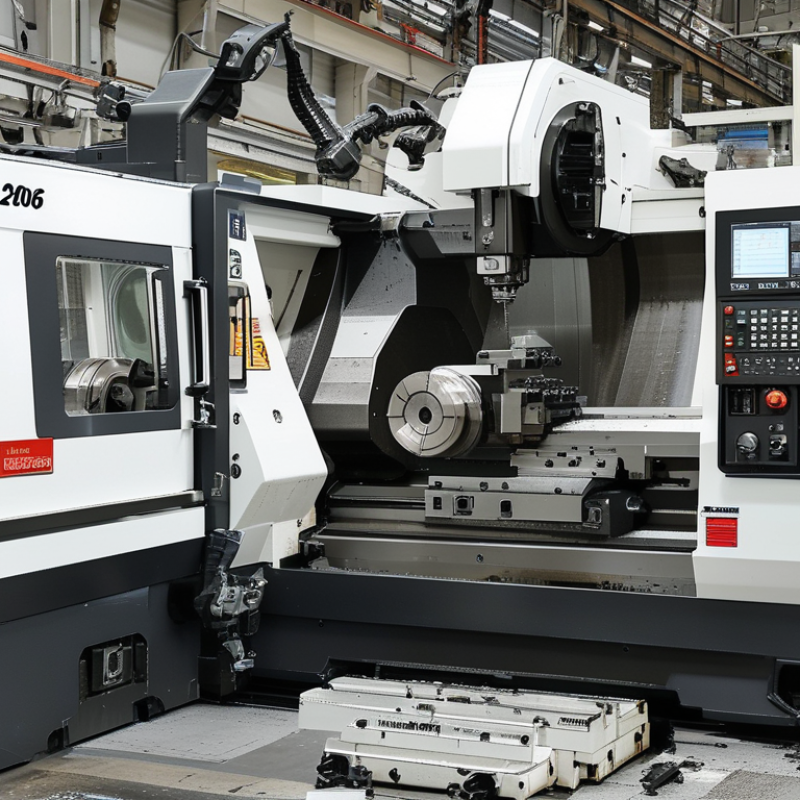
Overview of Twin Spindle Lathes and Their Importance in Manufacturing
Twin spindle lathes play a crucial role in modern manufacturing. Their ability to perform multiple tasks simultaneously makes them highly efficient. This technology significantly reduces production time and increases precision. Industries rely on twin spindle lathes for manufacturing complex components with tight tolerances.
Investing in quality machinery is important, but it can be overwhelming. Established manufacturers suggest evaluating your production needs. Not all twin spindle lathes are built the same. Some models excel in speed, while others focus on precision. Choose a lathe that aligns with your specific operational goals.
Continuous improvement remains a challenge. Regular maintenance is essential to keep machines running optimally. Scheduled inspections and timely updates can prevent costly downtime. Understanding the limitations of your equipment is also necessary. Operators should be trained appropriately to handle these advanced machines, ensuring safety and efficiency.
Top 10 Twin Spindle Lathes for Global Buyers in 2026
| Model | Spindle Speed (RPM) | Max Turning Diameter (mm) | Max Turning Length (mm) | Power Consumption (kW) | Highlight Features |
| Model A | 3000 | 250 | 500 | 15 | High Precision, CNC Control |
| Model B | 3500 | 300 | 600 | 20 | Dual Spindle, Multi-tasking |
| Model C | 4000 | 240 | 550 | 18 | Automatic Tool Change, High Efficiency |
| Model D | 3200 | 280 | 450 | 22 | Robust Build, Versatile Operations |
| Model E | 3700 | 260 | 500 | 25 | Integrated CAD/CAM, User-friendly |
| Model F | 3900 | 300 | 575 | 30 | Dynamic Stability, High Torque |
| Model G | 3400 | 300 | 650 | 19 | Enhanced Safety Features, Compact Design |
| Model H | 3600 | 220 | 480 | 21 | Smart Technology, Energy Efficient |
| Model I | 3300 | 270 | 520 | 23 | User-friendly Interface, High Performance |
| Model J | 3100 | 220 | 500 | 24 | Compact Layout, Excellent Output |
Key Features to Consider When Choosing a Twin Spindle Lathe
When choosing a twin spindle lathe, several key features can significantly impact performance. The spindle configuration is critical. A parallel or angled twin spindle setup will affect how efficiently the lathe can handle dual operations. Look for spindles that offer high-speed capabilities. This allows for faster cycle times. A lathe with a high RPM range will enhance production speed, especially in precision tasks.
Another important feature is tooling capacity. Assess the tool holder compatibility. The ability to accommodate a variety of tooling types can increase a lathe's versatility. Check for quick-change tooling systems, as they reduce downtime between operations. Reliability in automation is also essential. Lathes with robust error detection can minimize costly mistakes.
Consider software integration as well. A user-friendly interface can simplify complex tasks. However, not all software meets high standards. Some may lack necessary features. Researching these aspects can reveal potential gaps in functionality. Evaluating these criteria meticulously ensures that you select a twin spindle lathe that best meets your production needs.
Top 10 Twin Spindle Lathes for Global Buyers in 2026: Criteria for Selection
When selecting twin spindle lathes for global markets in 2026, buyers should prioritize a few key criteria. Data from the Machinery Manufacturers Association indicates that precision and speed are critical. Lathes that can maintain tolerances within 5 microns are increasingly preferred. Efficiency in machining times can lead to a notable increase in productivity. This aspect is essential for responding to the demands of various industries, especially automotive and aerospace.
Another crucial criterion is the technology used in the lathes. Tools incorporating advanced automation and AI capabilities are gaining popularity. Reports suggest that machines with improved user interfaces can decrease setup times by as much as 30%. Buyers should also evaluate the ease of maintenance. Complex systems can lead to extended downtimes, which negatively impact operational efficiency. Furthermore, vendors should offer robust customer support, as this can influence long-term satisfaction and machine reliability.
Sustainability is becoming significant as well. Many businesses are now looking for eco-friendly options. The latest surveys show that over 60% of buyers consider energy-efficient systems vital in their purchasing decisions. It's essential to balance innovation with economic viability; not all advanced features result in measurable benefits. So, assessing the long-term return on investment becomes paramount when making informed purchasing choices.
Detailed Analysis of Each Top Twin Spindle Lathe Model
In 2026, twin spindle lathes are set to redefine efficiency in manufacturing. The increasing demand for precision has prompted innovations in lathe design. Buyers worldwide are looking for machines that offer reliability and versatility. Each model stands out for unique features contributing to operational excellence.
One popular model boasts advanced automation capabilities, ensuring that it can handle complex tasks with minimal human intervention. This capability helps reduce the margin for error. Users may appreciate its user-friendly interface, designed for easy operation. However, it’s important to note that the learning curve for some advanced features might be steep. Another model focuses on energy efficiency, which is vital for modern workshops. It reduces energy consumption while maintaining performance, but flexibility in material handling could be a limitation for certain projects.
Modularity is another feature worth attention. Some models allow for easy upgrades, extending their lifecycle and adaptability to market changes. However, potential buyers should consider the potential costs involved in future enhancements. Each option presents advantages and challenges, prompting users to carefully assess their specific needs before making a purchase. Balancing features with real-world application will be critical for making the right choice.
Future Trends and Innovations in Twin Spindle Lathe Technology
The future of twin spindle lathe technology is on the brink of several advancements. These machines, known for efficiency and precision, are set to incorporate advanced automation. Automation promises to enhance productivity, minimizing human error. This shift will allow manufacturers to produce complex components with greater accuracy.
One notable trend is the integration of smart technology. IoT (Internet of Things) connections will enable real-time monitoring. This helps technicians identify issues before they escalate. Predictive maintenance can significantly reduce downtime. However, this also raises questions about data security. As machines become more connected, safeguarding sensitive information is crucial.
Another anticipated change is the emphasis on sustainability. New designs will focus on energy efficiency. Innovators aim to reduce waste generated during manufacturing. While these advancements promise great benefits, the transition may require significant investment. Companies will need to weigh the costs against potential long-term savings. Balancing innovation and expense will be a crucial discussion in the industry.
Top 10 Twin Spindle Lathes for Global Buyers in 2026
This chart represents the expected demand for the top 10 twin spindle lathes in units for the year 2026. As the demand for advanced machining solutions increases, these models illustrate a significant market interest and future trend in twin spindle lathe technology.