
- 713.590.1312
- sale@pandbtools.com
What Are the Top Pipeline Strainer Types in 2026?
Choosing a Pipeline Strainer in 2026 is less about finding one “best” design and more about matching the equipment to the line. A Y-strainer can suit compact installations with modest debris loads. Basket strainers often provide more screening area and may be easier to clean during planned maintenance. Duplex models allow one chamber to remain in service while the other is cleaned. Useful difference.
This guide compares common designs, including T-type, temporary cone, and automatic self-cleaning strainers. Each addresses different operating needs. A temporary strainer may help capture installation debris during commissioning, while an automatic unit can reduce routine manual cleaning in suitable systems. These choices still depend on the fluid, flow rate, pressure limits, solids, and available maintenance support. A mesh that looks finer is not automatically the right choice; it can increase pressure loss or require more frequent cleaning.
The practical details matter. Consider how much space is available around the pipeline, how operators will access the screen, and what happens when it begins to clog. Check manufacturer data for pressure drop, materials, screen openings, and operating limits rather than relying on product names alone. Real service conditions can differ from a clean test setup, and that difference deserves attention. No strainer type works well in every application. The following overview explains the main options and the trade-offs that engineers and maintenance teams should weigh before specifying one.
What Pipeline Strainers Do and How They Protect Equipment
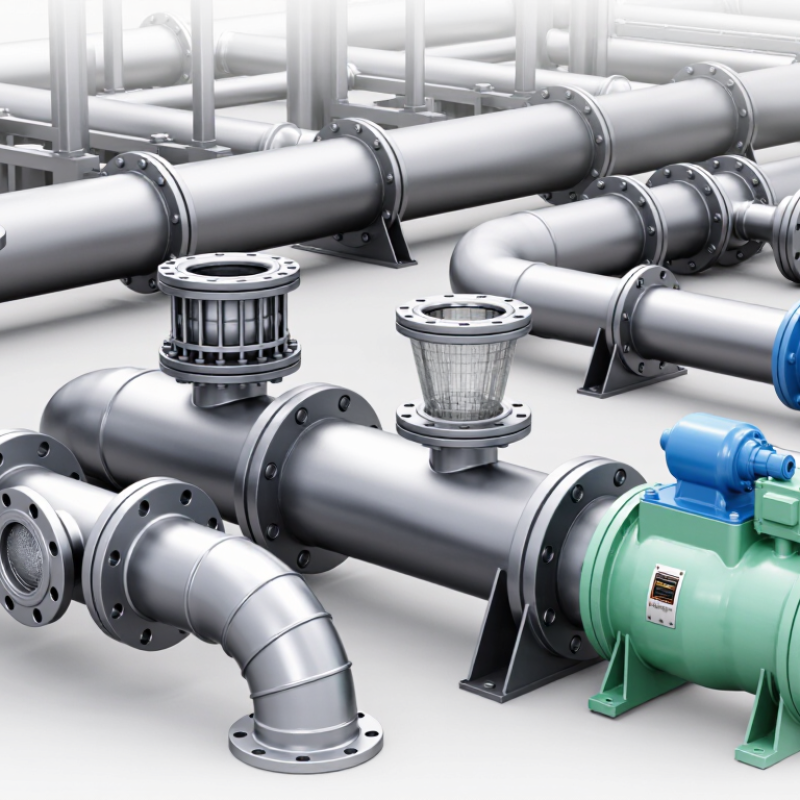
Pipeline strainers capture debris before it reaches pumps, control valves, meters, and heat exchangers. A basket strainer suits many horizontal lines and offers room for collected solids. Y-strainers fit tighter spaces, though their smaller chambers may need more frequent cleaning. Neither type removes every particle. Select the screen opening to match equipment limits and expected contaminants.
The U.S. Department of Energy’s Improving Pumping System Performance: A Sourcebook for Industry reports that pumping systems account for nearly 20% of global electricity demand and 25–50% of energy use in some industrial operations. That is not a strainer-savings estimate. It does show why avoidable resistance matters: a clogged screen can raise pressure drop and add load to a pump. A differential-pressure gauge helps operators spot the change before flow suffers.
During inspection, look for a bent screen, packed fibers, or grit lodged in the mesh. Check seals too; a damaged gasket can let debris bypass the screen. Cleaning intervals should follow actual pressure readings and process conditions, not a calendar alone. This is easy to overlook. An undersized strainer may protect equipment, yet restrict flow even when clean.

How Pipeline Strainers Are Classified by Design
What Are the Top Pipeline Strainer Types in 2026?
How Pipeline Strainers Are Classified by Design
Pipeline strainers are commonly classified by body shape, screen arrangement, and cleaning method. A Y-strainer places its screen diagonally inside a compact body, making it useful where space is limited. A basket strainer holds a larger screen in a chamber, often allowing more debris capacity between cleanings. T-type strainers use a screen positioned across a pipeline body and can suit larger line sizes. Duplex designs contain two chambers, so operators can switch flow between screens for maintenance. That distinction is easy to overlook on a drawing.
Temporary cone strainers sit between flanges during commissioning or short-term protection. They are not usually a substitute for a permanent, maintainable unit. Design choice depends on flow rate, expected particles, pressure drop, available clearance, and how often cleaning is practical. A compact strainer may save installation space but require more frequent attention. A tidy category chart can hide these trade-offs.
Tips: Check the screen’s open area and mesh against the process needs. Confirm the body orientation and access for removal before installation. Keep a record of pressure readings; rising differential pressure can signal a clogged screen.
Pipeline Strainer Types by Design: Can They Be Cleaned Online?
A design-based comparison of common pipeline strainers. “Yes” indicates the typical design can be cleaned while the line remains in service; actual capability depends on the installation and operating procedure.
Duplex strainers allow one chamber to be isolated for cleaning while flow continues through the other. Self-cleaning designs are made to remove collected debris during operation. Conventional Y, basket, T, and temporary cone strainers typically need isolation for manual cleaning; bypasses or other system arrangements can affect this.
The Main Pipeline Strainer Types Used in 2026
Pipeline strainers remove solid debris before it reaches pumps, control valves, and meters. In 2026, common choices include Y-type, basket, T-type, and duplex strainers. Each suits different flow conditions and maintenance needs. A Y-strainer has a compact body and angled screen, making it practical for smaller lines or installations with limited space. Its screen can collect debris quickly, so operators should check pressure drop rather than assume it is clear.
Basket strainers use a larger chamber and broad screen area. They often suit applications with higher debris loads, such as process-water lines. T-type strainers offer another option for larger pipes, though their installation and screen access need careful planning. Duplex strainers have two chambers, allowing one side to remain in service while the other is cleaned. Useful, but not effortless. Temporary cone strainers may be fitted during commissioning to catch construction debris, then removed after the system is flushed.
Selection depends on pipe size, flow rate, particle type, pressure, and available maintenance space. Check the screen’s mesh against the smallest harmful particles, while avoiding an unnecessarily restrictive opening. A strainer that is too small can clog often; one that is poorly placed may be difficult to inspect. Real installations are rarely perfect, and maintenance access is easy to underestimate.
How Strainer Designs Differ in Filtration and Maintenance
What Are the Top Pipeline Strainer Types in 2026?
Pipeline strainers differ in how they capture debris and how crews clean them. A Y-strainer uses an angled chamber and suits compact lines with modest solids loads. Basket strainers hold more debris, which can mean fewer cleaning stops. Duplex designs let operators switch chambers while flow continues.
Simple, but not effortless.
Temporary cone strainers can protect equipment during commissioning, though they are rarely a permanent choice. Filtration depends on screen openings, often listed by mesh or micron rating. Finer screens catch smaller particles, but they can also increase pressure drop. Watch differential pressure, not just the calendar. A screen may plug quickly after a process change, even when the strainer is correctly sized.
That detail is easy to miss. Access matters too. A bolted cover, safe drain point, and room to withdraw the basket make cleaning more manageable. Sizing still involves judgment; field flow data may not match a neat spreadsheet.
Tips: Check screen condition during routine inspections, and record pressure readings. Confirm the material and opening size suit the fluid and expected debris. Leave enough clearance for safe removal. Shortcuts here can make maintenance harder.
How to Match a Pipeline Strainer to Its Application
A suitable pipeline strainer protects downstream equipment without creating unnecessary pressure loss or maintenance work. The right type depends on the fluid, debris load, flow rate, and available space. Small details matter.
Y-strainers are compact and often suit clean or moderately contaminated fluids in smaller lines. Their screens can be harder to service when debris builds quickly. Basket strainers provide more screen area and can be a practical choice for higher flow or heavier debris, provided there is room to remove the basket. Duplex strainers allow one chamber to operate while the other is cleaned. They can support continuous service, but add valves and operating steps. Temporary cone strainers may help during startup, though their use and removal timing need careful planning.
Match the opening size to the particles you need to catch, not simply to the smallest mesh available. A fine screen can clog fast. Check the manufacturer’s pressure-drop data at the expected flow, and allow for dirty-screen conditions where appropriate. At a pump inlet, confirm that the strainer will not starve the pump as it loads with debris. Also consider fluid temperature, corrosion, seal materials, and how an operator will safely access the cover. In the field, maintenance access is easy to underestimate. A technically suitable strainer can still become a nuisance if there is no clearance to open it.
| Strainer Type | Typical Configuration | Best-Fit Applications | Screen and Debris Capacity | Maintenance and Flow Considerations | How to Match It |
|---|---|---|---|---|---|
| Y-Type Strainer | Compact body with an angled screen chamber; commonly installed in horizontal lines and in vertical lines with downward flow. | Steam, water, compressed air, gas, and process-liquid lines where space is limited. | Usually has less screen area and debris-holding capacity than a comparable basket strainer. Screens may be perforated plate, wire mesh, or a combination. | Compact installation, but the screen chamber can require line clearance for removal. A blowdown connection can allow cleaning without removing the screen. | Choose it for smaller or space-constrained lines and relatively low debris loads. Check orientation and access before specifying. |
| Simplex Basket Strainer | Single chamber containing a removable basket, typically installed in a horizontal pipeline. | Water treatment, cooling-water circuits, fuel and lubricant lines, and general process-liquid service. | A basket often provides more open area and debris capacity than a compact Y-type screen of similar line size. Screen openings are selected to suit the required particle retention. | Requires flow interruption or a bypass arrangement while the basket is cleaned. Allow overhead or side clearance to lift the basket out. | Choose it for moderate-to-high debris loading when the line can be isolated for maintenance and low clean-screen pressure loss is important. |
| Duplex Basket Strainer | Two strainer chambers with a changeover valve or switching mechanism; one chamber can operate while the other is cleaned. | Continuous-duty liquid systems, such as process cooling, hydraulic oil, and fuel transfer, where stopping flow is undesirable. | Each basket provides substantial debris-holding capacity; capacity depends on basket size, screen area, and the selected opening. | Enables online cleaning when correctly operated. The changeover device and both chambers add installation space, cost, and maintenance requirements. | Choose it when uninterrupted flow is required and operators can safely switch chambers and service the isolated basket. |
| T-Type or Fabricated Pipeline Strainer | Large-body strainer with a removable screen positioned across or within a branch-style chamber; designs vary by pipeline layout. | Large-diameter water, seawater, cooling-water, and industrial process lines, including installations with unusual piping geometry. | Can accommodate a large screen area and high debris volume when engineered for the line. Screen construction and opening are specified for the service. | May require lifting equipment and significant access space. Flow direction, body orientation, structural support, and screen-removal clearance need careful planning. | Consider it for large lines or layouts that do not suit standard compact strainers. Confirm hydraulic and mechanical design with the project engineer. |
| Temporary Cone, Plate, or Basket Strainer | Removable insert fitted between flanges, commonly used during commissioning or initial system flushing. | Short-term protection of pumps, control valves, meters, and other equipment while construction debris is removed from new piping. | Often selected with a relatively coarse opening and generous open area for temporary debris capture; the configuration is chosen for the startup-cleaning plan. | Must be inspected and removed or replaced after commissioning as specified. Accumulated debris can quickly increase pressure drop and restrict flow. | Choose it as a temporary startup safeguard, not as a permanent substitute for a properly selected operating strainer. |
Selection note: Screen opening, material, pressure rating, temperature rating, connection type, and allowable pressure drop depend on the fluid, operating conditions, piping standard, and equipment being protected. Confirm the clean-screen pressure drop and maintenance access for the specific design; no single mesh size or strainer type is suitable for every service.