Top Laser Cutting Machines of 2026 What to Look For?
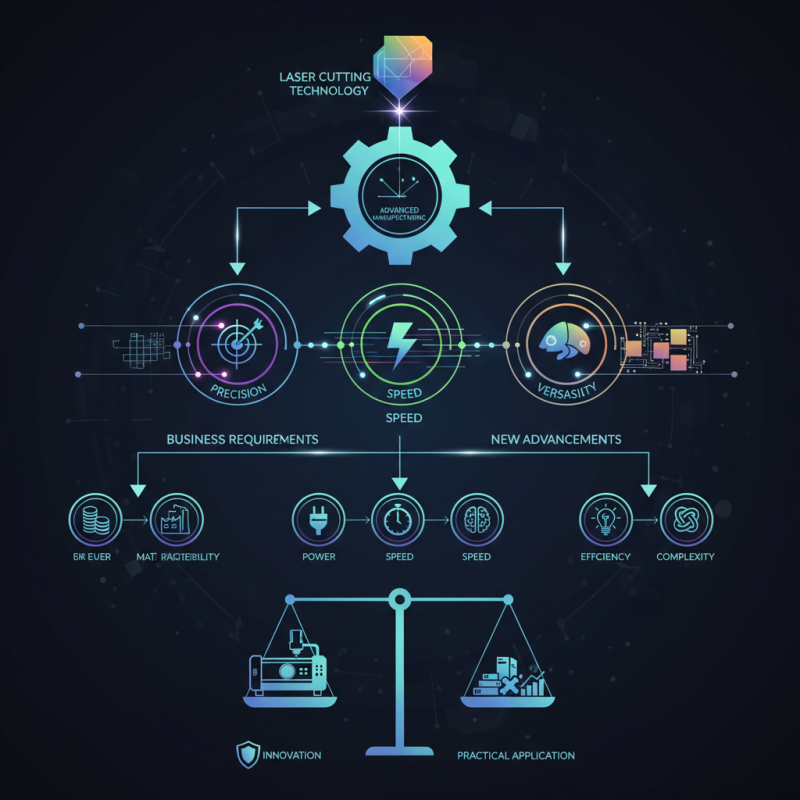
As the technological landscape evolves, the demand for advanced manufacturing tools rises. The laser cutting machine is at the forefront of this trend. In 2026, businesses will seek machines that offer precision, speed, and versatility. Choosing the right laser cutting machine requires careful consideration of various features.
Many options exist on the market, but not all will suit every business need. Factors such as power, speed, and material compatibility play critical roles. New advancements might enhance efficiency, yet they also introduce complexity. Understand what your business requires before making a decision.
Investing in a laser cutting machine is significant. It affects production quality and operational costs. However, some features may seem appealing but could be unnecessary for specific tasks. Reflect on what you truly need. The right machine can elevate your business, but the wrong one could hinder progress. Balancing innovation with practical application is essential.
Overview of Laser Cutting Machines in 2026
The landscape of laser cutting machines in 2026 is marked by significant advancements. Recent industry reports indicate that the global laser cutting market is expected to grow at a CAGR of 7.8%, reaching approximately $6 billion by 2026. This growth is fueled by increased demand across various sectors, including automotive, aerospace, and electronics.
In this evolving market, precision and speed are key factors to consider. Modern machines are capable of cutting materials at speeds exceeding 120 meters per minute. This increases productivity but requires operators to maintain a high level of skill. Robust safety features are also essential, as high-power lasers can pose risks. Yet, not all machines come with adequate safeguards, highlighting a need for careful selection.
Another crucial aspect is versatility. The ability to cut different materials, from metals to plastics, is vital. As per industry studies, nearly 40% of businesses express a desire for multifunctional machines. However, many existing models struggle to balance precision and adaptability. This gap presents an opportunity for new technologies but also raises questions about long-term reliability and maintenance costs. The future of laser cutting hinges on addressing these complexities.
Key Features to Consider When Choosing a Laser Cutting Machine
When searching for a laser cutting machine, several key features should be at the forefront of your decision-making process. Power is crucial. A higher wattage enables faster cutting and thicker materials. However, more power can increase operating costs. Balancing power with efficiency is essential.
Consider the cutting area. Machines come in various sizes. A compact model is suitable for smaller projects, while larger projects require more space. Additionally, think about the material types you’ll work with. Some machines cut metals, plastics, and wood. Ensure the machine matches your material needs.
Software compatibility is another aspect to reflect on. User-friendly software can enhance productivity. Complicated programs may slow down work. Look for integration options with existing systems. Lastly, maintenance is a crucial element. Regular upkeep is vital for performance. If maintenance is neglected, efficiency and accuracy can drop.
Types of Laser Cutting Technologies Available in 2026
In 2026, laser cutting technologies continue to evolve. Key types include CO2 lasers, fiber lasers, and disk lasers. Each type has unique advantages and applications.
CO2 lasers excel in cutting thick materials like wood and acrylic. They produce a smooth finish but may require more maintenance.
Fiber lasers, on the other hand, are ideal for metal cutting. They offer speed and efficiency, often at a lower operating cost.
Disk lasers combine the benefits of both fiber and CO2 systems. They are powerful and great for industrial use but can be expensive.
Tips: Consider the material you will work with. Each laser type handles different materials best. Always assess your specific needs. Check the maintenance requirements too. Some systems may need frequent service, affecting productivity. This decision impacts the overall cost. Remember, technology is not static. Stay informed about advancements in laser cutting. Regularly evaluate your existing setup for potential upgrades.
Top Brands and Models of Laser Cutting Machines
When exploring the top brands and models of laser cutting machines in 2026, it's essential to focus on performance, precision, and versatility. Industry reports indicate that the global laser cutting market is expected to reach $7 billion by 2025, with an annual growth rate of over 6%. This growth reflects the increasing demand for high-quality cutting solutions across various industries, including automotive and aerospace.
Leading brands often feature advanced technology, producing faster cutting speeds and improved accuracy. Machines that offer a wattage range from 1,000 to 8,000 watts are becoming more prevalent. These systems are capable of handling diverse materials, from metals to plastics. However, not all models deliver on their promises. Some may struggle with thicker materials or exhibit reduced precision at higher speeds.
In addition to performance aspects, user-friendly interfaces are crucial. Many top models now include touchscreen controls and software compatibility for seamless operation. However, there can be a learning curve associated with these technologies. Regular maintenance is also necessary to keep machines running efficiently. Overlooking this can lead to unexpected downtime, which is a significant concern for manufacturers. User reviews often highlight these issues, emphasizing the need for critical evaluation before purchasing.
Top Laser Cutting Machines of 2026: Key Features Comparison
Future Trends in Laser Cutting Technology and Applications
Laser cutting technology continues to evolve rapidly. In 2026, several key trends will shape its future. One significant trend is the increasing integration of artificial intelligence. AI algorithms can optimize cutting paths. They enhance precision and reduce material waste. This means better efficiency in production processes.
Another noticeable shift is in the materials used for laser cutting. Manufacturers are experimenting with new composites and alloys. These materials provide higher strength and improved heat resistance. They open possibilities for industries like aerospace and automotive. However, these innovations also present challenges. The compatibility of lasers with new materials remains a concern.
Sustainability is expected to take center stage as well. Eco-friendly practices will influence machine design and operation. Companies will seek to reduce their carbon footprints. This can lead to more energy-efficient lasers. Yet, the transition may be complex. It requires significant investment in research and development. Many firms may struggle to adapt quickly to these changes. The world of laser cutting is both exciting and daunting.