Top 10 High Voltage Switch Options for Global Buyers?
High-Voltage Switches play a crucial role in the energy sector. These devices ensure the safe management of electrical circuits and enhance grid reliability. As the demand for energy rises globally, selecting the right high-voltage switch is more critical than ever.
In this article, we explore the top 10 high-voltage switch options available to buyers worldwide. These selections represent advanced technology and innovative designs. Choosing the right switch can significantly impact operational efficiency and safety standards. Each option caters to various industrial needs while offering unique features.
Investing in high-voltage switches requires careful consideration. The market presents numerous products, each with distinct specifications. Buyers must assess their requirements and the environmental conditions where the switch will be deployed. Understanding these factors is essential for making informed decisions that lead to better performance and reliability.
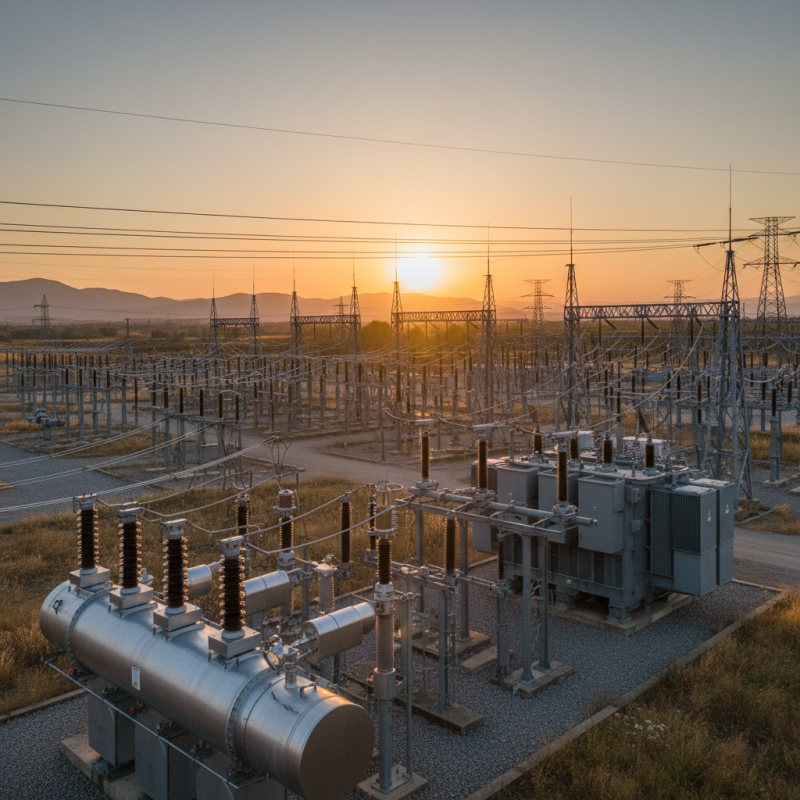
Overview of High Voltage Switch Technologies
High voltage switch technologies play a vital role in electrical systems. These switches manage the flow of electricity in power networks. A thorough understanding of their types and functionalities is essential for global buyers.
Vacuum switches are notable for their reliability. They use an enclosed vacuum to quench arcs. This results in minimal maintenance and long operational life. However, their initial cost may deter some buyers.
Air-insulated switches offer another option. They are robust and work well in various conditions. These switches require adequate clearances, which can increase space requirements.
Oil-insulated switches provide excellent insulation and cooling. They are effective but can involve more extensive maintenance.
Gas-insulated switches, on the other hand, offer compact designs and high reliability. Their technology can be complex, requiring specialist knowledge. Selecting the right switch option depends on specific project needs and budget constraints.
Balancing performance, reliability, and cost is often challenging. Each technology has its strengths and weaknesses, necessitating careful consideration in the decision-making process.
Key Factors to Consider When Selecting High Voltage Switches
Choosing the right high voltage switch is crucial for efficiency and safety. Various factors come into play when making this decision. For instance, the voltage rating must match your system’s requirements. Consider the application and environment. Outdoor installations may require weather-resistant features, while indoor switches could focus on space efficiency.
**Tips:** Look for competitive solutions that offer versatility. Simplicity in design often leads to easier maintenance.
Another aspect is the switching mechanism. Different types, such as air-insulated or gas-insulated switches, cater to varying needs. Each mechanism has its pros and cons, influencing longevity and reliability. Assessing the operational environment is necessary to avoid potential failures.
**Tips:** Always check for certifications. Reliable manufacturers provide evidence of compliance with safety standards.
Finally, consider the availability of replacement parts and service support. A reliable vendor ensures that you won’t face long downtimes. While a less known option may seem cost-effective, the lack of support can become a liability. Make informed decisions based on long-term implications, not just immediate costs.
Top 10 High Voltage Switch Brands and Their Features
High voltage switches play a crucial role in electrical systems, handling voltages above 1 kV. Their reliability is paramount, as failures can lead to significant safety hazards and economic losses. Data indicates that the global market for high voltage switches is projected to reach USD 15 billion by 2026, demonstrating robust growth driven by rising energy demands.
When evaluating high voltage switches, several key brands stand out. Manufacturers typically prioritize features like insulation technology, switching speed, and environmental resilience. Advanced designs often utilize vacuum or gas-insulated technologies, enhancing efficiency. A survey found that nearly 70% of industry leaders value ease of maintenance and operational safety as top priorities when selecting a switch.
Many companies offer innovative solutions but often overlook the specific needs of unique applications. For instance, the conditions in renewable energy facilities can be vastly different from traditional power plants. Consequently, the quest for optimal switch solutions requires a nuanced approach. Being aware of these variances is essential for maximizing performance and reliability in high voltage systems.
Global Market Trends for High Voltage Switches
High voltage switches are a crucial component in electrical infrastructure, playing a vital role in power distribution and grid stability. As global demand for energy continues to rise, the market for high voltage switches is evolving. Trends indicate a shift toward more automated and intelligent switching solutions. These innovations aim to increase efficiency, reduce operational costs, and enhance system reliability.
Countries are focusing heavily on renewable energy sources. This transition necessitates advanced switching technologies to manage fluctuating energy supplies from wind and solar. However, challenges remain. Not all regions possess the necessary infrastructure to support these advancements, leading to disparities in adoption rates. Some markets may lag due to economic constraints or regulatory issues.
Moreover, there is a growing need for standardized testing and certification processes. This need arises as the complexity of switching systems increases. Ensuring reliability through rigorous testing can build trust among buyers. The global market is competitive, and having a robust benchmark system is essential for maintaining high standards. Creating a balance between innovation and reliability is key as the market continues to change.
Top 10 High Voltage Switch Options for Global Buyers
Comparison of High Voltage Switch Applications Across Industries
High voltage switches serve critical roles across various industries, enabling efficient power distribution. Their applications vary widely, from electric utilities to manufacturing and renewable energy sectors. In electric utilities, high voltage switches manage the flow of electricity and ensure reliable service. For instance, these switches are vital in substations, providing control and protection against system failures.
In manufacturing, high voltage switches help in automating processes and safeguarding equipment. These switches can be found in motor control centers, protecting machinery during operation. The integration of these switches in renewable energy indicates growth in sustainable practices. They assist in connecting solar panels and wind turbines to the grid, promoting cleaner energy solutions.
However, selecting the right high voltage switch isn’t always straightforward. Buyers must consider factors like load requirements and environmental conditions. Different regions have unique needs, impacting switch designs and functionalities. This variability raises questions about standardization and compatibility. Overall, understanding applications across industries can guide effective purchase decisions. Balancing innovation with practical requirements remains a challenge for engineers and buyers alike.
Top 10 High Voltage Switch Options for Global Buyers
| Switch Type | Voltage Rating (kV) | Current Rating (A) | Industry Application | Operational Mechanism |
| Vacuum Switch | 5 - 40 kV | 500 - 3000 A | Power Generation, Transmission | Electromechanical |
| SF6 Switch | 12 - 252 kV | 630 - 4000 A | Substations, Industrial Plants | Gas Insulated |
| Oil-Insulated Switch | 15 - 245 kV | 1000 - 5000 A | Power Stations, Oil & Gas | Mechanical |
| Air Insulated Switch | 11 - 765 kV | 200 - 3000 A | Renewable Energy, Distribution | Electromechanical |
| Load Break Switch | 3 - 36 kV | 50 - 2000 A | Commercial, Industrial | Mechanical |
| Miniature Circuit Breaker | Up to 1 kV | 6 - 63 A | Residential, Light Commercial | Electromechanical |
| Smart Switchgear | 10 - 400 kV | 100 - 5000 A | Smart Grids, Automation | Digital |
| Combined Switchgear | 36 - 420 kV | 800 - 3150 A | Utility, Heavy Industry | Gas Insulated |
| Circuit Breaker | 6 - 145 kV | 600 - 4000 A | Substations, Commercial | Electromechanical |
| Recloser | 15 - 38 kV | 200 - 800 A | Distribution Networks | Mechanically Automated |