Top 10 Butt Fusion Tools for Efficient Pipeline Welding?
The importance of using the right Butt Fusion Tool in pipeline welding cannot be overstated. A recent report by the International Pipeline and Offshore Contractors Association highlights that improper welding can lead to significant safety hazards. Experts in the field emphasize the need for reliable tools to ensure quality welding joints. John Anderson, a renowned welding engineer, stated, "Choosing the right Butt Fusion Tool is crucial for both efficiency and safety in pipeline projects."
Pipeline installations demand precision, and the Butt Fusion Tool market is evolving to meet these needs. The global market for these tools is projected to grow significantly, driven by advancements in technology and increasing infrastructure demands. However, there is still room for improvement in tool reliability and user training. Many professionals cite that despite advancements, some older models still perform inconsistently, leading to potential project delays and safety concerns.
Quality control remains a challenge. While many tools are effective, occasional product failures illustrate the need for continuous assessment and selection of the best options in the market. The necessity for reliable Butt Fusion Tools is critical as the industry advances. Investing in the right equipment not only enhances performance but also improves safety standards across pipeline welding projects.
Understanding Butt Fusion Welding Techniques for Pipelines
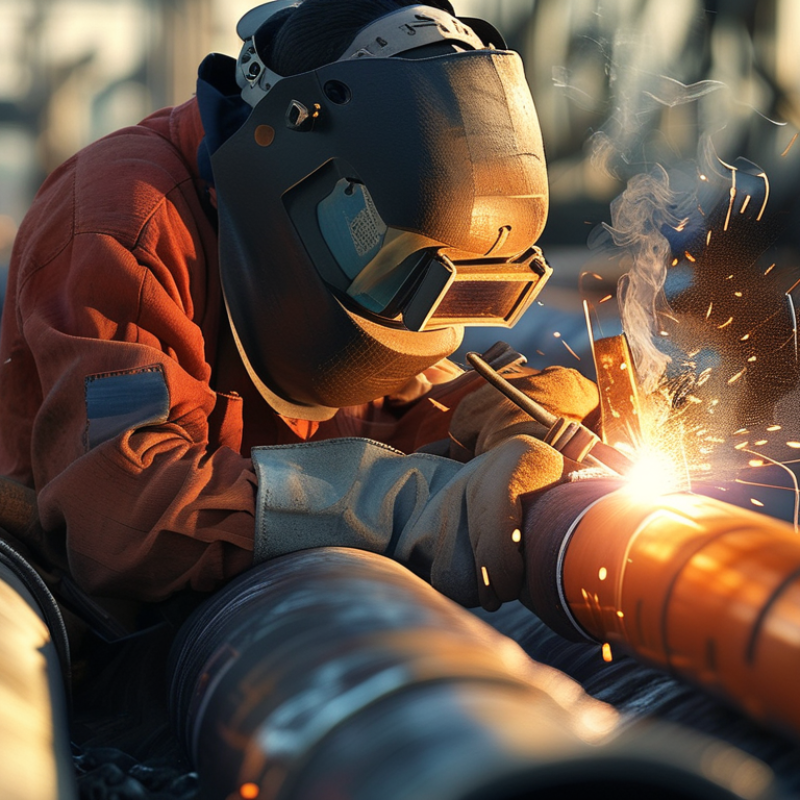
Butt fusion welding is a common technique for joining thermoplastic pipes. This method involves heating the pipe edges and then pressing them together. The result is a strong, permanent joint that can withstand pressure.
The efficiency of this process relies heavily on the tools used. A quality fusion machine is vital. It ensures consistent heat application. Each weld must be monitored closely. Improper heating can weaken the bond. Inspect the tools regularly for wear and tear. Even small errors can lead to significant issues down the road.
Tips: Always check the temperature settings. Improper temperatures can ruin the weld. Using a proper alignment tool can also save time. Misalignment may cause leaks that are hard to trace later. Focus on consistency in all your welds. It’s easy to think one bad joint won’t matter, but it can.
Investing in effective tools enhances the overall quality of your work. Each joint should be treated as crucial. Remember, practice makes perfect. Don’t rush the learning process. Mistakes can be valuable lessons. So, approach each project with care and diligence.
Essential Features of Butt Fusion Tools in Pipeline Projects
Butt fusion tools play a crucial role in pipeline welding. They ensure strong, leak-proof joints in plastic piping systems. Choosing the right tools can significantly affect project efficiency and quality.
Essential features include precision alignment. Misalignment can lead to weak joints, causing future leaks. Look for tools that offer easy adjustments. Temperature control is also vital. Each material requires specific heating levels for optimal fusion. Overheating or underheating can compromise joint strength.
Tip: Regularly check the calibration of your tools. This helps maintain accuracy over time. Invest in tools with durable materials; they withstand the rigors of pipeline projects.
Another factor is user-friendliness. Complex tools can add to frustration and slow down the work. Opt for designs that facilitate quick setup and operation. Some models may seem complicated, but their features can save time later.
Tip: Continuous training on using butt fusion tools ensures workers are skilled. It can reduce errors and improve joint quality. A well-trained team is invaluable on any pipeline project.
Top 10 Butt Fusion Tools for Efficient Pipeline Welding
| Tool Name | Pipe Size Range (inches) | Heating Method | Control Type | Weight (lbs) | Price Range ($) |
| Fusion Machine A | 2 - 6 | Electric | Manual | 150 | 1000 - 1500 |
| Fusion Machine B | 4 - 12 | Gas | Digital | 200 | 2000 - 2500 |
| Fusion Machine C | 3 - 10 | Electric | Manual | 180 | 1200 - 1800 |
| Fusion Machine D | 6 - 16 | Infrared | Digital | 210 | 2500 - 3000 |
| Fusion Machine E | 1 - 5 | Electric | Manual | 140 | 800 - 1200 |
| Fusion Machine F | 8 - 14 | Gas | Digital | 230 | 2200 - 2700 |
| Fusion Machine G | 5 - 10 | Electric | Manual | 190 | 1500 - 2000 |
| Fusion Machine H | 3 - 8 | Infrared | Digital | 170 | 1100 - 1600 |
| Fusion Machine I | 7 - 12 | Gas | Digital | 220 | 2400 - 2900 |
| Fusion Machine J | 2 - 4 | Electric | Manual | 130 | 700 - 1000 |
Top Brands and Models of Butt Fusion Tools for Efficiency
Butt fusion welding is essential for creating strong, durable pipeline connections. When selecting tools for this process, efficiency is key. A reliable tool can make a significant difference in time and labor costs. Top brands often focus on the usability and performance of their equipment. Many of these tools feature digital displays for precise temperature control, ensuring consistent results.
Some models are designed for portability. This is beneficial for job sites with limited space. Investing in high-quality tools can also enhance safety. Some users report frustrations with less reliable models. Equipment breakdowns can lead to project delays. Selecting tools with a good track record can help mitigate these challenges.
User experience is crucial when assessing different brands. Reviews often highlight ease of operation and maintenance as top features. Some professionals note that training is sometimes inadequate. An experienced operator improves the effectiveness of any tool. Ultimately, investing in the right fusion equipment pays off in terms of durability and efficiency.
Top 10 Butt Fusion Tools for Efficient Pipeline Welding
This bar chart illustrates the efficiency ratings of various butt fusion tools based on user feedback and performance metrics. The tools are ranked based on their average efficiency score, which reflects factors such as speed, durability, and ease of use.
Maintenance Tips for Prolonging the Life of Butt Fusion Equipment
To prolong the life of butt fusion equipment, regular maintenance is essential. Start with daily inspections to ensure all components are functioning correctly. Check for signs of wear, especially in the heating plates and clamps. These parts endure significant stress during operations and can degrade over time. Replace any worn parts immediately to prevent larger, costly issues down the line.
Keep the equipment clean and free from debris. Buildup can cause uneven heating, affecting the fusion quality. Use recommended cleaning solutions to maintain surfaces without causing damage. Also, ensure the calibration of your machines is accurate. Improperly calibrated tools can lead to poor joints, reducing the reliability of your pipeline systems.
Remember to document all maintenance activities. This practice not only helps in tracking the equipment's performance but also assists in identifying recurring issues. Reflect on past maintenance and learn from it. It’s important to acknowledge that equipment failures can often be traced back to missed routine checks. Developing a diligent maintenance schedule can significantly enhance the longevity of your butt fusion tools.
Safety Considerations During Butt Fusion Welding Process
The butt fusion welding process requires strict adherence to safety considerations. This method unites thermoplastic pipes through heat and pressure. Reports indicate that 20% of workplace injuries in construction stem from improper safety measures during welding. Workers must wear appropriate personal protective equipment (PPE) like gloves and face shields to mitigate risks.
Another key aspect is maintaining a clean workspace. Contaminants can compromise fusion quality and lead to failures. According to industry experts, a clean area reduces the chances of defects by over 30%. Regular inspections of tools and machinery are essential. Using calibrated temperature gauges ensures optimal heating conditions. Any deviation can result in improper welds, with lasting consequences.
Training programs should emphasize safety protocols. Studies show that companies with rigorous training experience 50% fewer accidents. Experienced welders underline the importance of vigilance against burns and inhalation risks. Collaborating with colleagues and ensuring an open line of communication enhances workplace safety. Continuous improvement in safety practices is vital, as complacency can lead to unforeseen issues.