10 Best Bellow Valve Suppliers for Global Buyers
Selecting a reliable Bellow Valve supplier is not simply a matter of comparing prices. Global buyers must examine sealing performance, material traceability, testing procedures, delivery discipline, and technical support. A valve may look flawless in a catalog. Its real value appears under vacuum, corrosive media, thermal cycling, or repeated actuation.
Valve engineering consultant Dr. Richard W. Greene states, “A valve is only as reliable as the system supporting it.” This practical observation matters because bellows failures can involve more than the valve itself. Poor pipe alignment, unsuitable welding, incorrect pressure ratings, and weak maintenance planning may shorten service life. Supplier expertise must therefore be judged through evidence, not polished claims.
This guide reviews ten Bellow Valve suppliers serving international buyers. It considers manufacturing capability, product range, quality documentation, customization, certifications, export experience, and after-sales responsiveness. These factors are especially important for chemical processing, semiconductor production, pharmaceuticals, petrochemicals, and high-vacuum equipment.
Look beyond the brochure.
A strong supplier should explain bellows material selection, cycle-life expectations, leak-testing methods, and application limits in clear language. Buyers should also request drawings, inspection records, references, and realistic lead times before placing an order. No ranking is perfect. Supplier performance can vary by region, project size, and production period. That limitation deserves attention. Still, a structured comparison can reduce uncertainty and help procurement teams identify manufacturers capable of delivering safe, consistent, and application-ready Bellow Valve solutions worldwide.
What Is a Bellow Valve and Why Does Supplier Selection Matter?
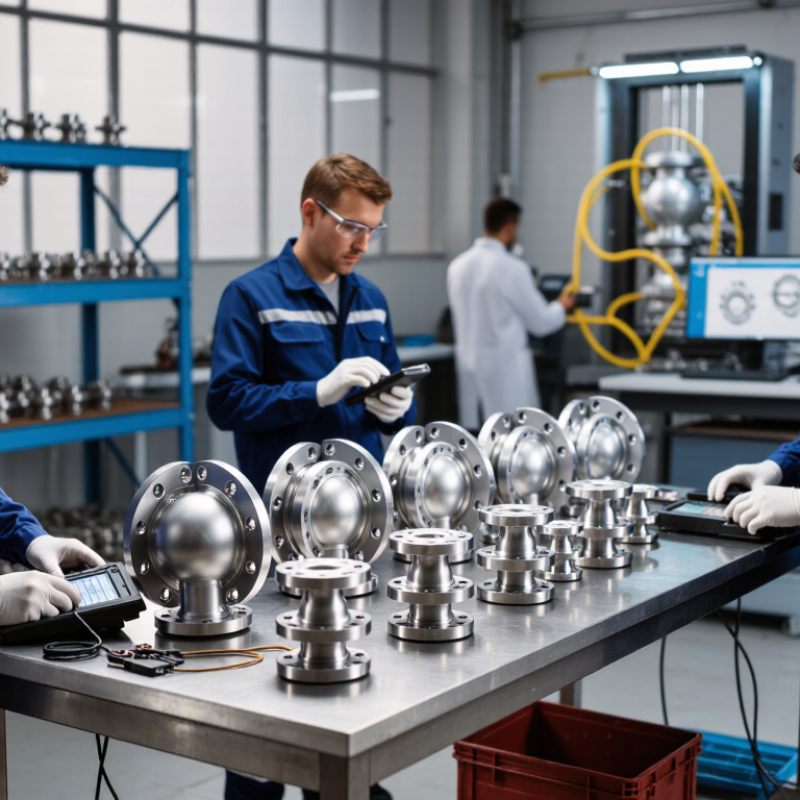
A bellows valve uses a flexible metal bellows to isolate the stem from the process fluid. This design limits fugitive emissions and protects sensitive media from outside contamination. It is common in chemical, pharmaceutical, vacuum, and high-purity service. The bellows must flex repeatedly without cracking. That detail matters. A valve may look excellent on a catalog page, yet fail after poor cycling control or unsuitable welding.
Supplier selection matters because the bellows is not a decorative upgrade; it forms the pressure boundary around the moving stem. Global buyers should request material certificates, pressure-temperature ratings, leak-test methods, and documented cycle results. Ask whether testing represents the actual gas, liquid, temperature, and operating frequency. Generic test data can mislead.
Review machining tolerances, weld procedures, cleaning standards, and traceability from raw material to shipment. A capable supplier explains design limits before accepting an order.
During qualification, compare technical response quality as much as unit price. A dependable supplier answers questions clearly and reports limitations without hiding them. Check spare-part support, packaging, export documents, and after-sales response across time zones.
One missing certificate can delay installation for weeks. I would also inspect sample valves, not only brochures. No supplier is perfect. Even experienced buyers should challenge assumptions, especially when a familiar specification is copied into a new process.
Key Factors for Evaluating Global Bellow Valve Suppliers
Global buyers should evaluate bellows valve suppliers beyond catalog prices and polished websites. Real manufacturing experience often appears in small details, such as controlled welding records and consistent dimensional reports. Ask how many years the supplier has produced valves for vacuum, chemical, pharmaceutical, or high-purity systems. Relevant applications matter more than general sales claims.
Technical capability deserves close inspection. Review the bellows material, pressure rating, temperature range, cycle life, and leakage standard. A reliable supplier should explain why stainless steel grades, seals, and surface finishes suit your operating conditions. Request factory acceptance test reports, material certificates, calibration records, and traceability from raw material to shipment. Ask for evidence. Details matter.
Independent certifications can support credibility, but they should match the product and market. Check quality-system certificates, inspection procedures, export experience, and documentation accuracy. Also compare lead times, spare-part access, engineering response, and after-sales support across time zones. Speak with recent customers when possible, preferably about similar valve sizes and duty cycles. A supplier may promise fast delivery, yet production capacity can change during peak demand. I would leave room for that uncertainty and verify current capacity in writing before placing an order. Personally, I would also inspect sample packaging, because damaged actuator threads or exposed flange faces can create problems before installation.
Key Factors for Evaluating Global Bellow Valve Suppliers
Recommended buyer evaluation weighting for industrial bellow-sealed valve sourcing
The weighting reflects common industrial procurement priorities: pressure and temperature suitability, material compatibility, fugitive-emission control, quality assurance, documentation, delivery capability, and lifecycle support. It is intended as a neutral evaluation framework rather than a ranking of any supplier or brand.
How to Compare Bellow Valve Quality, Certifications, and Services
When comparing bellows valve suppliers, start with evidence rather than polished catalogs. The ISO Survey 2023 reported more than 1.2 million valid ISO 9001 certificates worldwide. That number shows adoption, not automatic quality. Ask for the supplier’s quality scope, recent audit findings, and batch-level traceability. Material certificates should identify the bellows alloy, pressure boundary materials, heat numbers, and test results. A reliable supplier can also explain its helium leak testing method and acceptance limits.
Certification must match the installation. For process plants, check pressure equipment compliance, applicable ASME standards, and fugitive-emission testing under ISO 15848-1 or equivalent requirements. Ask whether certificates cover the exact valve design, not merely the factory. Request sample inspection records, calibration certificates, and nonconformance procedures. A certificate is not proof of every shipment. That distinction is often missed.
Service separates capable suppliers from ordinary exporters. Compare engineering response times, drawing approval, factory acceptance testing, spare-parts availability, and commissioning support. The supplier should provide clear lead-time commitments and escalation contacts across time zones. Industry research from Grand View Research estimates the industrial valves market will continue expanding through 2030, increasing pressure on production capacity and delivery planning. Yet faster delivery can hide weaker inspection. My checklist is not perfect. Buyers should score quality, certification validity, documentation, and lifecycle support separately, then verify claims through references and witnessed tests.
Steps for Choosing the Right Bellow Valve Supplier Worldwide
Choosing the right bellows valve supplier worldwide requires more than comparing prices. Define the medium, pressure range, temperature, connection type, and required leakage rate. A supplier with process experience should explain why each material suits your application. Ask for technical drawings, pressure-test records, material certificates, and traceability documents. Independent quality certifications can support confidence, but they never replace technical review.
Request a sample or pilot order before committing to large volumes. Check welding quality, bellows construction, surface finish, and actuator performance. Confirm production capacity, inspection stages, packaging methods, and realistic delivery times. Speak with comparable industrial customers when possible. A polished catalog may still hide weak documentation. That matters.
Tips: Prepare a clear specification sheet. Compare equivalent products, not only unit prices. Ask how the supplier handles nonconforming valves, warranty claims, and urgent replacements. Verify communication during design changes and shipment delays. Small tests can expose major weaknesses. I would also review local import requirements and accepted standards before signing. This step is easy to overlook, especially when project schedules become tight. Do not rely on promises alone; request dated evidence, named inspection responsibilities, and measurable acceptance criteria.