What Are the Top 10 Electric Moped Scooters?
Choosing an Electric Moped Scooter is about more than speed or sleek styling. The right model should fit your daily routes, parking space, and charging routine. A short urban commute may reward easy handling, while longer trips make battery range and charging time more important. Seat comfort matters, too. A firm seat can feel fine during a quick test ride, then become tiring after several miles.
This guide introduces ten electric moped scooters and the practical details worth comparing. We look at real-world range claims, motor performance, braking, lighting, storage, and available service support. Specs can vary by model year and configuration, so check the manufacturer’s current information before deciding. Numbers alone don’t tell the whole story. Rider weight, hills, temperature, and frequent stops can all affect range. Some trade-offs are easy to miss: a larger battery may add weight, and a lower price may mean fewer convenience features. That isn’t always a deal-breaker. Use the list as a starting point, not a verdict, and consider which compromises suit your own needs.
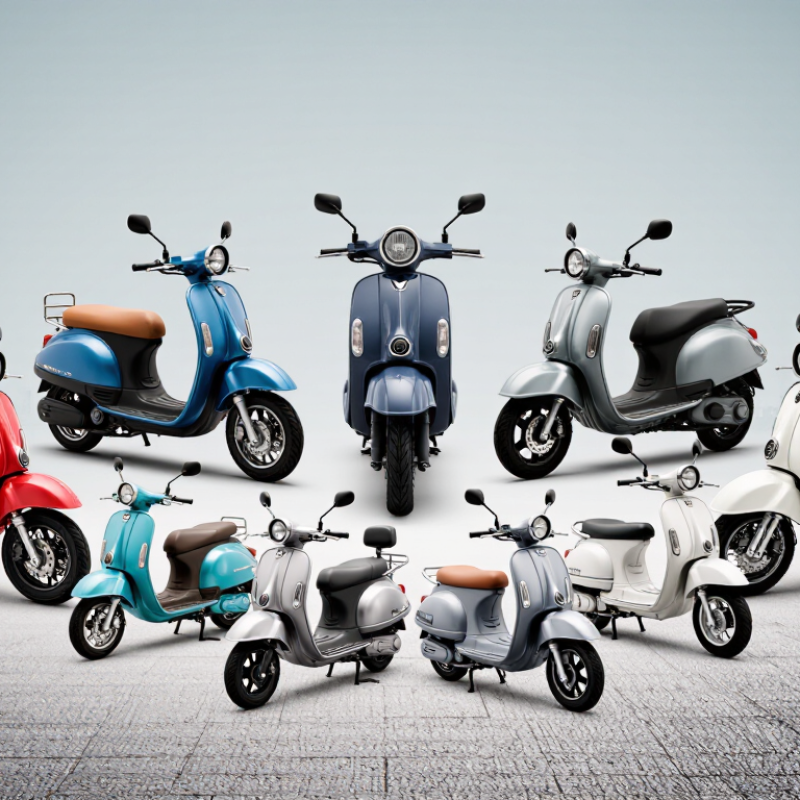
Electric Moped Scooters: Definition and Key Features
An electric moped scooter is a compact, seated two-wheeler powered by a rechargeable battery and electric motor. Its step-through frame, low footboard, and simple controls make short trips feel manageable. Small, but useful. The term “moped” is not used consistently across markets, so check the vehicle’s specifications rather than relying on its label. Typical features include a removable or built-in battery, dashboard display, lights, suspension, and front and rear brakes.
Battery capacity and motor output shape acceleration, charging time, and usable range. Real-world distance can fall with cold weather, steep hills, heavier loads, or frequent stops. A stated range is not a promise. The International Energy Agency’s Global EV Outlook 2024 reports that roughly 10 million electric two- and three-wheelers were sold worldwide in 2023, reflecting the category’s growing role in everyday transport. Yet sales figures do not tell buyers how a particular scooter handles potholes or carries groceries. Details matter. Before comparing models, consider where it will be parked and charged, how far the regular route runs, and whether the seat and footboard feel comfortable during a test ride. One trade-off deserves thought: a lighter scooter may be easier to maneuver, but could offer less stability on rough streets.
Criteria for Evaluating the Top Models
Evaluating an electric moped scooter starts with how it performs beyond a showroom floor. Compare claimed range with a repeatable route, rider load, speed, and temperature; these details can change results sharply. A useful model should cover a typical commute with reserve for detours, not merely match a brochure number. Battery capacity matters, but charging time and removable-battery convenience matter too. Check motor output alongside hill performance, since peak wattage alone says little about sustained climbing. Small details count.
Braking deserves close attention. Look for predictable stopping, effective lights, tire grip on damp pavement, and a stable frame under the stated payload. Seat height, floorboard space, and handlebar reach are easy to overlook until a short ride becomes an hour. Weigh the scooter itself if stairs or tight storage are part of daily life. Also assess warranty terms, replacement-part access, and service documentation; ownership costs rarely end at purchase. Test ride if possible, then note noise, vibration, and throttle response at low speed. No single score captures every rider. A lighter scooter may be easier to park but less settled over rough patches. That trade-off is real. Treat published range as an estimate, not a promise, because weather and riding habits vary.
The Top 10 Electric Moped Scooters
The top 10 electric moped scooters are best compared by how they fit daily trips, not by flashy claims. The International Energy Agency’s Global EV Outlook 2023 estimated that roughly 10 million electric two- and three-wheelers were sold worldwide in 2022. That scale matters. It means buyers can compare practical features, not just novelty.
A useful top-ten shortlist includes a long-range commuter, a lightweight model, a removable-battery scooter, a comfort-focused step-through, a hill-ready option, a cargo-friendly design, a compact city scooter, a weather-shielded model, a low-maintenance hub-motor type, and a balanced all-rounder. Check the details closely. A claimed range may shrink on cold mornings, steep roads, or faster rides. Removable batteries help when indoor charging is unavailable, but carrying one upstairs can feel awkward. Seat height, brake feel, tire size, and lighting also deserve attention. Small things matter.
The IEA’s Global EV Outlook 2024 tracks continued growth in electric two- and three-wheelers, while showing that adoption varies by market. So, the “best” choice depends on local charging access and road conditions. For a test ride, try a tight turn and a rough patch. Specs can mislead. I would give real-world range more weight than a polished display; even that judgment needs reconsidering after a full season.
Comparing Performance, Range, Charging, and Cost
A useful top-10 comparison starts with real-world performance, not peak-speed claims. Check acceleration on a hill, braking feel, and whether the scooter stays steady with a rider and groceries aboard. Range is not destiny. Published figures often assume gentle riding, warm weather, and a light load. Compare battery capacity and independent road-test distance, then leave a buffer for cold mornings, hills, and stop-start traffic.
Charging time depends on both battery size and charger output. A 2 kWh battery paired with a 500 W charger needs roughly four hours in ideal conditions; charging losses can add time. Check whether the charger is removable, especially if the scooter must stay parked outdoors. The U.S. Energy Information Administration reported an average residential electricity price of 16.48 cents per kWh in 2024. At that rate, a 2 kWh charge costs about 37 cents at the wall, assuming 90% charging efficiency. Local rates vary.
Purchase cost deserves a wider lens. Include battery replacement, tires, brakes, and any service limits in the first few years. BloombergNEF’s 2024 Lithium-Ion Battery Price Survey put average pack prices at $115 per kWh, but that wholesale benchmark is not a scooter’s retail battery price. It offers context, not a shopping quote. My imperfect rule: favor verified range and accessible charging over a flashy speed figure.
What Are the Top 10 Electric Moped Scooters? — Comparing Performance, Range, Charging, and Cost
| No. | Electric Scooter Profile | Top Speed | Claimed Range | Typical Charging Time | Approx. U.S. Starting Price | Best Suited For |
| 1 | Lightweight urban moped | 28 mph (45 km/h) | Up to 25 miles (40 km) | About 6 hours | About $3,000 | Short city trips and riders who prioritize easy parking and handling |
| 2 | Compact commuter scooter | 30 mph (48 km/h) | Up to 40 miles (64 km) | About 6 hours | About $2,500 | Neighborhood travel and daily commutes on lower-speed roads |
| 3 | Step-through city scooter | 31 mph (50 km/h) | Up to 45 miles (72 km) | About 5 hours | About $3,300 | Practical commuting with an accessible step-through frame |
| 4 | Retro-style mid-speed scooter | 45 mph (72 km/h) | Up to 60 miles (97 km) | About 3.5–4 hours | About $5,000 | Urban and suburban trips with a higher top speed |
| 5 | Performance retro scooter | About 60 mph (97 km/h) | Up to 60 miles (97 km) | About 4 hours | About $5,000 | Riders seeking stronger acceleration and faster road capability |
| 6 | Dual-battery urban commuter | About 50 mph (80 km/h) | Up to 75 miles (121 km) | About 3.5–7 hours, depending on charging setup | About $5,000 | Longer commutes and riders who value removable-battery flexibility |
| 7 | Premium city scooter | 45 mph (72 km/h) | Up to 62 miles (100 km) | About 4 hours | About $7,500 | Premium urban use with an emphasis on fit, finish, and convenience |
| 8 | High-performance maxi-scooter | About 75 mph (121 km/h) | Up to 80 miles (129 km) | About 4.5 hours with a standard charger | About $11,800 | Higher-speed commuting and riders wanting motorcycle-like performance |
| 9 | Lightweight electric motorcycle-style scooter | About 75 mph (121 km/h) | Up to 75 miles (121 km) | About 4 hours | About $9,000 | Riders seeking a lightweight performance-oriented option |
| 10 | Midrange all-round commuter | About 50 mph (80 km/h) | Up to 70 miles (113 km) | About 5 hours | About $4,500 | Mixed urban and suburban trips with a balance of speed and range |
Figures are approximate published or advertised specifications for representative production electric scooters; model names are omitted. Actual range varies with speed, rider weight, terrain, temperature, and battery condition. Prices and charging times vary by market, configuration, and charger.
Choosing a Model for Your Riding Needs
What Are the Top 10 Electric Moped Scooters?
Choosing a Model for Your Riding Needs
The right electric moped scooter depends on your route, not just its advertised top speed. Measure your typical daily distance, including detours, and check whether you can charge at home or work. Battery range varies with rider weight, hills, temperature, and speed. A generous estimate can still disappoint on a cold, windy commute. Fit matters most.
The National Association of City Transportation Officials reported 133 million shared micromobility trips in North America in 2023. That figure covers shared bikes and scooters, not personal mopeds, but it shows how often riders use compact vehicles for urban trips. For rough pavement, look for larger tires and a stable riding position. For tight storage, check the scooter’s actual weight and folded dimensions. Compare braking equipment, lighting, warranty terms, and replacement battery availability, too.
Tips: Test the fit. Sit on the scooter and check whether both feet reach the ground comfortably. If possible, ride over a familiar uneven patch before buying. Treat published range as a starting point, not a promise; some specifications are hard to compare directly. A short test ride will not reveal everything, but it can expose an awkward reach or a seat that feels too firm.
What Are the Top 10 Electric Moped Scooters? — Choosing a Model for Your Riding Needs
Compare the advertised maximum range of 10 representative electric scooter profiles.
Ranges are manufacturer-claimed figures for representative models and configurations, not guaranteed real-world results. Actual distance varies with speed, rider and cargo weight, terrain, temperature, battery condition, and test method. Choose based on your daily route and charging access, and check the specifications for the exact model and version.