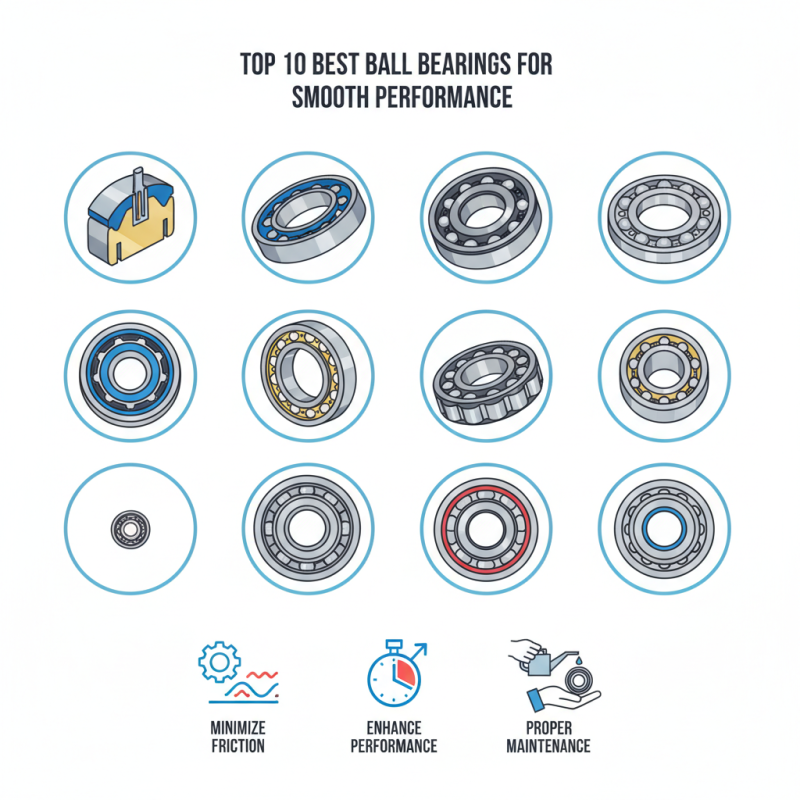
Top 10 Best Ball Bearings for Smooth Performance?
Ball Bearings play a crucial role in ensuring smooth operation across many machines and devices. Whether in bicycles, motors, or industrial equipment, they minimize friction and enhance performance. Choosing the right ball bearing can significantly impact efficiency and longevity.
In this guide, we will explore the top 10 best ball bearings available on the market. Each option offers distinct features that cater to various needs. Smooth performance is essential, but sometimes it’s hard to know what to look for. Quality materials, size, and design all influence the ball bearing's effectiveness.
While many products boast impressive specifications, not all live up to expectations. Users often overlook maintenance. An excellent ball bearing may falter without proper care. So, understanding what makes a ball bearing truly outstanding is vital for anyone looking to improve their devices' performance.
What Are Ball Bearings and How Do They Work?
Ball bearings are vital components in many machines. They minimize friction between moving parts. This function ensures smoother operation. The core of a ball bearing is a set of balls encased in a ring. These balls bear the load. They allow rotation or linear movement with less resistance.
Understanding how they work can enhance performance. As the outer ring spins, the balls roll smoothly. This motion reduces friction significantly. Proper installation is crucial. Misalignment can cause premature wear. Regular maintenance is also needed to ensure longevity. Dust and debris can disrupt their function, affecting efficiency.
In various applications, the choice of ball bearings matters. They come in different sizes and materials. Each type serves specific needs. Sometimes, choosing the wrong one can lead to issues. For example, loading capacity might be insufficient. This oversight can hamper overall performance. Always consider the environment they operate in when selecting.
Key Factors to Consider When Selecting Ball Bearings
Selecting the right ball bearings is crucial for achieving optimal performance. There are several key factors to consider during this process. Material is one of the most important attributes. Stainless steel and ceramic are the two most common materials. Stainless steel offers durability and resistance to corrosion. Ceramic, on the other hand, is lightweight and highly efficient but can be more brittle.
Another critical factor is the ball bearing size. Each application requires a specific size for optimal performance. A report from the American Bearing Manufacturers Association indicates that proper sizing can improve efficiency by up to 20%. Bearing tolerance is also essential. A high tolerance ensures smoother transitions, leading to less friction. This, in return, increases lifespan and reliability, making it more cost-effective over time.
Lubrication plays a pivotal role, too. Proper lubrication minimizes wear and enhances performance. Studies show that insufficient lubrication can decrease bearing lifespan by 50%. Additionally, the load rating should align with expected usage. A mismatch can lead to unexpected failures, causing downtime and potential losses. There's always room for improvement in understanding these factors better.
Top 10 Best Ball Bearings for Smooth Performance
Top Brands Known for High-Quality Ball Bearings
When it comes to ball bearings, quality matters. Not all manufacturers provide the same level of craftsmanship. Some brands excel in precision and durability. Others may fall short, leading to performance issues. It’s essential to choose wisely.
Top brands are often known for their commitment to high-quality materials. They use advanced techniques to ensure smooth operation. This attention to detail can significantly impact the lifespan of the bearings. However, not every brand meets this standard. Some may offer enticing prices but compromise on reliability.
Authentic performance is what everyone desires. High-quality ball bearings should withstand stress and friction. When installation is considered, fit and compatibility are crucial. Trusting recognized brands often minimizes risks. Mindful choices lead to better long-term investments in equipment and machinery.
Top 10 Best Ball Bearings for Smooth Performance
| Model | Material | Load Capacity (kg) | Speed (RPM) | Price ($) |
| ABEC 5 | Stainless Steel | 150 | 8000 | 25 |
| ABEC 7 | Chrome Steel | 200 | 9000 | 35 |
| Precision Ball Bearing | Carbon Steel | 100 | 7500 | 20 |
| Miniature Bearing | Plastic | 50 | 10000 | 15 |
| Deep Groove Ball Bearing | Ceramic | 300 | 12000 | 60 |
| Self-Lubricating Bearing | Bronze | 250 | 6000 | 40 |
| Angular Contact Bearing | Hybrid | 180 | 11000 | 55 |
| Thrust Ball Bearing | Alloy Steel | 120 | 4000 | 30 |
| Spherical Roller Bearing | Stainless Steel | 400 | 5000 | 70 |
| Cartridge Bearing | Aluminum | 130 | 9000 | 22 |
Overview of the Best Ball Bearings for Smooth Performance
When searching for ball bearings that ensure smooth performance, it's essential to consider several factors. The right bearing minimizes friction, leading to better efficiency. Look for materials that resist wear and corrosion. Steel and ceramic are popular choices for different applications.
One aspect often overlooked is lubrication. Proper lubrication greatly impacts the lifespan and performance of bearings. Too much or too little can hinder operation. Regularly inspect and maintain the lubrication to keep everything running smoothly.
Another tip is to consider the application. Not all bearings are created equal. Different environments demand various specifications. Industrial settings may require sturdier options, while hobby projects might be fine with lighter models. Striking the right balance can prevent future headaches.
Maintenance Tips for Longevity of Ball Bearings
Ball bearings play a critical role in machinery efficiency. Regular maintenance extends their lifespan significantly. According to industry reports, proper lubrication can increase bearing life by 50%. It’s essential to keep them clean and free from dirt.
Regular inspection helps catch early signs of wear. Look for discoloration or unusual noises. These could signal the need for replacement. Interestingly, 80% of bearing failures stem from contamination. Using the right seals can mitigate this risk.
Lubricants must be chosen wisely. Not all greases are suitable for all environments. Heat, moisture, and load conditions influence the choice. Often, users overlook these details, leading to premature failure. Implementing a routine maintenance schedule helps in managing bearing health effectively.