Top 5 Tips for Choosing Tamper Proof Labels for Your Products
In today's competitive market, the integrity of your products is paramount. Tamper Proof Labels play a crucial role in preserving consumer safety and brand trust. According to a report by Smithers Pira, the tamper-evident label market is expected to grow by 5.2% annually, highlighting increasing demand. Joseph Marquez, a leading expert in packaging solutions, states, "The right tamper proof label not only prevents tampering but also reassures consumers that the product is safe."
Choosing the right tamper proof label can be challenging. With various options available, brands must assess factors like adhesive strength, material durability, and design. Many companies underestimate the importance of these labels. A poor choice can lead to product integrity issues. A report from the Packaging Association reveals that 30% of consumers have doubts about product safety due to inadequate labeling.
Implementing effective tamper proof labels reflects a company's commitment to quality and safety. However, businesses often overlook the subtleties of label selection. Understanding consumer expectations is crucial. Take time to evaluate your options. The right tamper proof label can make a significant difference in consumer confidence and brand reputation.
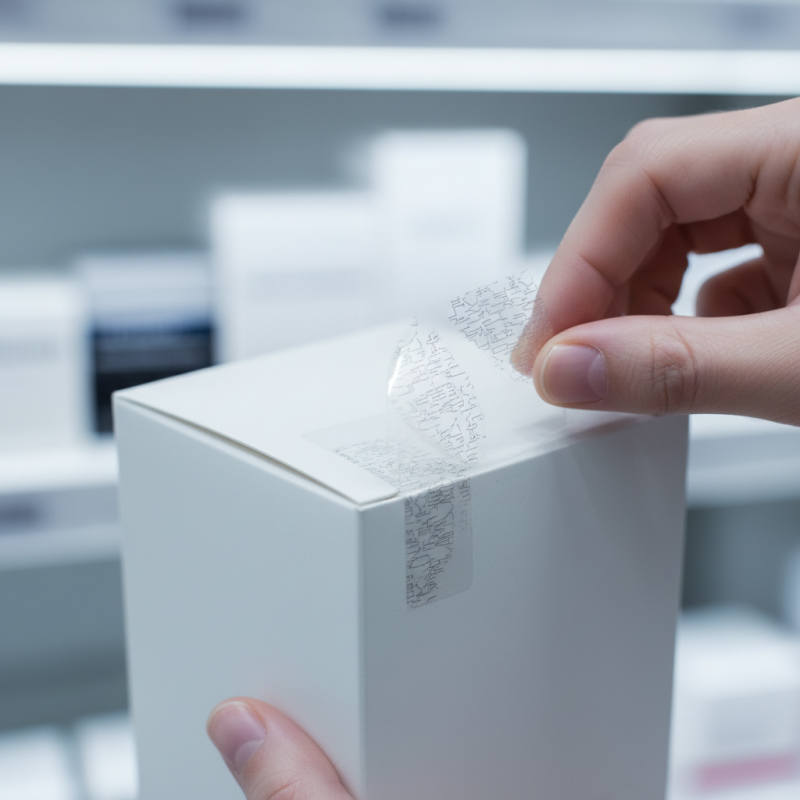
Understanding the Importance of Tamper Proof Labels for Product Security
Tamper proof labels play a crucial role in ensuring product security. The global tamper-evident packaging market is projected to reach $23 billion by 2025, highlighting their increasing importance in various industries. These labels provide a visible indication of tampering, which is vital for food, pharmaceuticals, and electronics. Without such measures, businesses risk losing consumer trust and facing costly recalls.
A recent study found that 78% of consumers consider tamper proof features a key factor in their purchasing decisions. This indicates a strong demand for secure products. The effectiveness of tamper proof labels lies in their design and materials. Labels should be constructed from durable materials that withstand common tampering methods. Not all labels are created equal; some may not adhere properly or provide clear indications of tampering. It's essential to choose wisely.
While many businesses invest in security measures, some overlook the importance of label quality. Inadequate labels can lead to serious breaches, affecting product integrity. Reflecting on past incidents where poor labeling resulted in security issues can provide invaluable lessons. By prioritizing high-quality tamper proof labels, businesses can enhance their product safety and build consumer confidence in the long run.
Top 5 Tips for Choosing Tamper Proof Labels for Your Products
| Tip | Description | Material | Application |
| 1. Assess Security Needs | Evaluate the level of security required for your products to determine the appropriate label strength. | Vinyl, Polypropylene | Electronics, Pharmaceuticals |
| 2. Look for Adhesive Quality | Choose labels with strong adhesive properties to ensure they stay intact and cannot be removed easily. | Acrylic, Permanent | Food Packaging, Medical Supplies |
| 3. Consider Customization Options | Customization adds an identity and can deter counterfeiting through unique designs or QR codes. | Paper, Synthetic | Branding, Security Applications |
| 4. Evaluate Environmental Conditions | Ensure your labels can withstand environmental factors like moisture, temperature, and UV exposure. | Polyester, Laminated | Outdoor Products, Chemical Containers |
| 5. Test Label Performance | Conduct tests for durability and resistance to tampering before finalizing your label choice. | Tamper-Evident, Void | High-Security Items, Luxury Goods |
Key Features to Look for in Tamper Proof Labels
When selecting tamper-proof labels, it’s essential to focus on specific features that ensure safety and reliability. Start by considering the adhesive quality. A strong adhesive prevents the label from peeling off easily. Look for labels that leave a residue when removed, making tampering evident. This simple yet effective feature enables you to maintain product integrity.
The material of the labels also matters. Opt for materials that are resistant to moisture and chemicals. Labels made from vinyl or polyester are often durable enough for various environments. Transparency is another key aspect. Choose labels that clearly display vital information beneath them. This clarity enhances consumer trust, as they can see the product’s packaging and contents.
Finally, the design of the label should not be overlooked. Ensure it is visibly distinct to grab attention. Incorporating bold colors or unique shapes can help convey a message of security. However, avoid designs that may confuse the consumer. Simplicity can be powerful. While there are many options available, finding the perfect balance might take time. Rethink your choices to ensure they meet your product needs effectively.
Top 5 Key Features to Look for in Tamper Proof Labels
This bar chart illustrates the importance of various features to consider when choosing tamper-proof labels for products. The features include Durability, Adhesive Strength, Visibility, Customization, and Security Features. Each feature is rated based on its importance on a scale from 0 to 10.
Assessing the Material and Durability of Tamper Proof Labels
When choosing tamper-proof labels, assessing the material and durability is critical. Various materials are available, each with unique properties. Common options include vinyl, polyester, and paper. Vinyl labels are often weather-resistant, making them ideal for outdoor products. Polyester offers excellent durability, especially in harsh environments. Paper labels are more economical but may lack long-term durability.
Durability also depends on the adhesive used. A strong adhesive ensures that the label stays intact, providing a reliable barrier. Some labels may resist tearing or tampering, but not all are created equal. Consider the intended use of the product. Will it be exposed to moisture or extreme temperatures? Evaluate these factors carefully.
Many labels can present signs of wear over time. Look for materials that are resistant to fading and scratching. Pay attention to the thickness of the label as well. Thicker labels often provide added security against tampering. It’s worth reviewing your options carefully. Testing different materials could reveal unexpected results. Your ideal choice may not be the most obvious one.
Evaluating Design Options for Enhanced Brand Visibility
When selecting tamper-proof labels, design plays a crucial role in brand visibility. According to a report from the Label Manufacturers Association, effective label design can enhance brand recognition by up to 60%. This means that the colors, fonts, and overall aesthetics of your labels can significantly impact how consumers perceive your products.
It’s essential to choose colors that stand out. Bright and contrasting hues can catch the eye. For example, a study by Nielsen revealed that up to 90% of snap judgments about products are based on color alone. While functionality is vital, design shouldn’t be an afterthought. Incorporating your brand’s colors will fortify brand identity. This approach helps in creating a cohesive look across your product line.
Remember to assess the font used on your labels. Clarity is key. Fonts that are too ornate may confuse customers. A survey indicated that 75% of consumers prefer labels that are easy to read. However, balancing creativity with legibility is a perennial challenge. Reflect on your design choices with a critical eye. What stands out? What might be overlooked? Continuously evaluating your label designs is necessary for improving brand visibility and consumer connection.
Cost Considerations and Budgeting for Tamper Proof Labels
When considering tamper-proof labels, budget is a critical factor. A report from Smithers Pira indicates that the global market for packaging security is expected to reach $5.9 billion by 2024. This suggests a growing emphasis on cost-effective labeling solutions. Finding the right balance between quality and price is essential for brands. Low-cost labels might seem appealing, but they often compromise on durability and effectiveness.
Additionally, production volume impacts overall costs. Bulk purchasing can yield significant savings. For example, companies that order in larger quantities can see reductions of 10-20% in per-unit costs. However, businesses must assess storage capabilities to avoid waste. Short shelf lives of some tamper-proof labels may lead to obsolescence.
Evaluating different materials is another way to manage costs. Some options, like vinyl, offer a balance of affordability and strength. Others may present reliability issues over time. It's important to perform trials before committing to large orders. An in-depth analysis of performance and pricing can help avoid costly mistakes. Companies should gather sample data and adjust their choices based on real-world feedback from initial testing phases.