What is a Sternum Saw and How Is It Used?
The Sternum Saw is a specialized surgical tool. It plays a critical role in cardiac and thoracic surgeries. Knowing its function is vital for medical professionals.
The saw is designed to cut through the sternum. This bone sits at the center of the chest. Surgeons use it to access the heart and lungs. The procedure requires precision. A steady hand is crucial. Mistakes can lead to severe complications.
Training is essential for using a Sternum Saw. Surgeons must understand the anatomy. They need experience to avoid damaging nearby structures. With that said, even skilled professionals can face challenges. Continuous learning and practice are necessary to improve.
What Is a Sternum Saw?
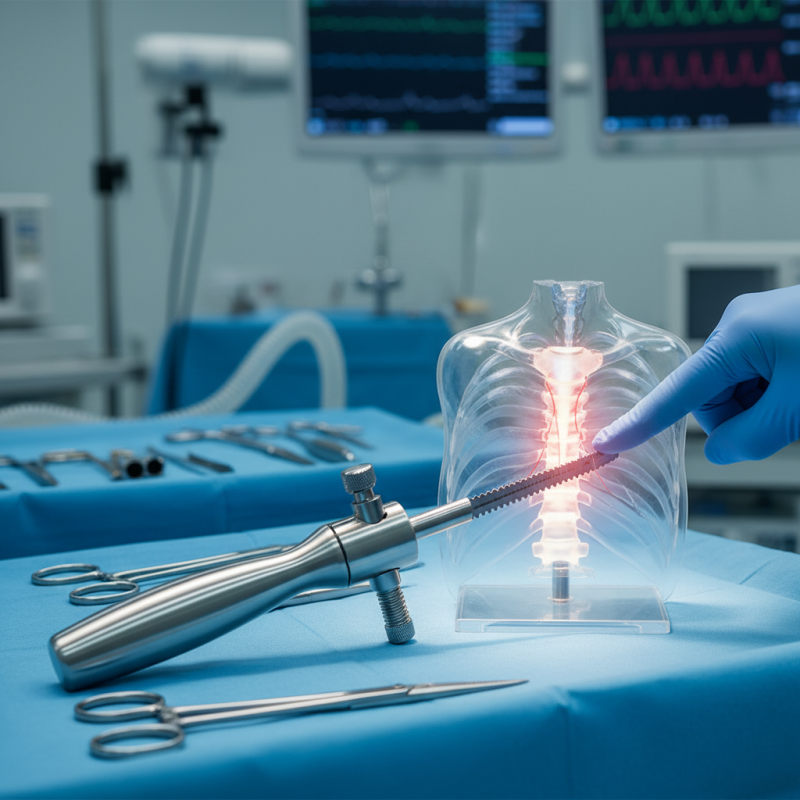
A sternum saw is a specialized surgical tool designed for cutting through the sternum, or breastbone, during heart surgeries. It features a narrow blade that oscillates rapidly, allowing it to penetrate bone effectively. This precision is crucial, as the sternum has to be opened carefully to grant access to the thoracic cavity. Surgeons rely on this tool to work efficiently, minimizing trauma to the surrounding tissues.
When using a sternum saw, it's essential to maintain a steady hand. The oscillation can create vibrations, which may affect control during the procedure. Surgeons often practice their technique on simulated models before performing live surgeries. This preparation can help increase confidence and improve dexterity.
Tip: Always ensure that the saw is well-maintained and sharp. A dull blade can lead to complications and increased recovery times.
Another aspect worth mentioning is the importance of teamwork in the operating room. The assistant's role is vital. They provide suction to clear debris and blood for better visibility. Communication is key to success.
Tip: Regular briefings among the surgical team can enhance cooperation and efficiency during complex procedures. Remember, preparation and practice make a significant difference in outcomes.
History and Development of the Sternum Saw
The sternum saw has a rich history in surgical practice. This specialized tool was designed to cater to the unique challenges of thoracic surgery. Early iterations were rudimentary. They lacked the precision of today's devices.
As surgical techniques evolved, so did the sternum saw. Innovations emerged in the mid-20th century. Surgeons wanted safer and quicker methods for accessing the heart and lungs. Modern designs are streamlined and more efficient. They reduce the risk of injury to surrounding tissues. Yet, some surgeons still hesitate. The balance between speed and safety remains delicate.
Despite advancements, issues arise. Not every surgical procedure benefits from a sternum saw. Some operations may require alternative methods. Surgeons must weigh the pros and cons of each approach. It’s a constant learning process. Each experience adds to the knowledge base, refining techniques.
What is a Sternum Saw and How Is It Used? - History and Development of the Sternum Saw
| Feature | Description | Historical Use | Modern Use |
| Type | Surgical instrument used for sternotomy | First used in the late 19th century | Widely used in open-heart surgery |
| Design | Curved blade with a handle for better control | Original designs were rudimentary | Ergonomically designed for ease of use |
| Materials | Stainless steel for durability | Early models made of less durable metals | High-quality materials to ensure sterility |
| Technique | Used to cut through the sternum | Manual sawing techniques | Alternatives include electrically powered saws |
| Safety | Prioritizes patient safety during surgeries | Increased risk in earlier surgeries | Improved design for precision and safety |
How the Sternum Saw Is Designed and Constructed
The sternum saw is a remarkable tool in the medical field. Its design is specifically tailored for precision and safety during cardiac surgeries. Made of high-grade stainless steel, the saw features a thin, oscillating blade that minimizes bone trauma. Reports indicate that this design reduces postoperative complications significantly, offering a smoother recovery for patients.
Craftsmanship is crucial in constructing the sternum saw. Engineers ensure that the oscillation rate is optimal for effective cutting while minimizing heat generation. From a safety perspective, the handle is ergonomically designed to provide a secure grip, reducing the risk of slips. Studies show that well-designed surgical tools can lead to a 30% decrease in surgical time, improving overall efficiency in operating rooms.
However, the sternum saw does have its limitations. Some users report occasional issues with blade length, which can hinder accessibility in certain surgical cases. Feedback from surgeons emphasizes the need for continual improvements in design to address these challenges. Balancing efficiency with patient safety is an ongoing conversation in the medical community, illustrating that even advanced tools require vigilant evaluation.
Step-by-Step Guide on Using a Sternum Saw
A sternum saw is a specialized tool used in surgery. It is designed to cut through the sternum, allowing access to the thoracic cavity. Surgeons use it primarily in heart surgeries and other procedures requiring this access. Understanding how to use a sternum saw correctly is crucial for a successful operation.
To use a sternum saw, the surgeon first positions the patient on the operating table. Anesthesia is administered to ensure the patient remains unconscious and pain-free. The surgeon makes incisions on the skin and muscle to expose the sternum. The saw is then carefully guided along the planned line. Precision is vital, as incorrect placement can lead to complications.
Once the sternum is cut, the surgeon can proceed with the procedure. It requires steady hands and experience. After the operation, the surgeon checks for any bleeding. Closing the incision follows, with layers carefully sutured. Reflection on each use can improve technique and safety in the operating room.
Safety Precautions When Operating a Sternum Saw
Operating a sternum saw requires strict safety precautions. This tool is critical in surgical procedures, particularly in the chest area. Proper training is essential to avoid serious accidents. Surgeons must wear protective eyewear to shield their eyes from debris. Gloves are also necessary to maintain a sterile environment.
Before starting, it's vital to ensure the saw is in good condition. A malfunctioning tool could lead to injuries. Surgeons must keep distractions to a minimum. Concentration is key when using a sternum saw. The environment should be organized, with all tools within reach. Unnecessary items should be removed from the workspace.
Surgeons often need to anticipate issues. Sometimes, the saw may not cut as expected. This requires patience and careful adjustments. Regular practice can enhance skill and reduce risks. Reflecting on past surgeries helps identify improvement areas. It's a continuous learning process, even for seasoned professionals.
Sternum Saw Usage and Safety Precautions