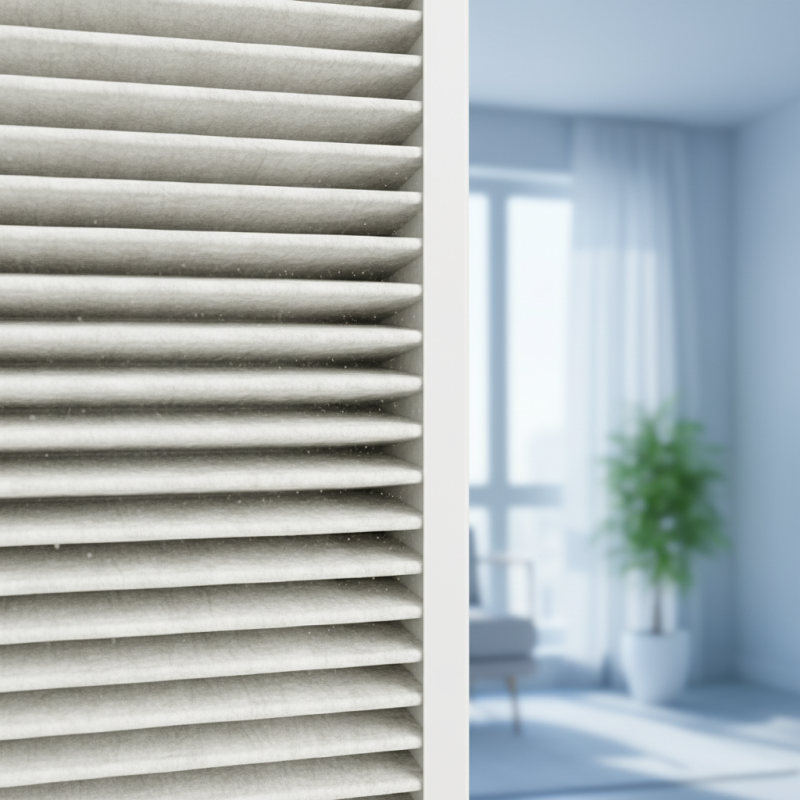
What Are Pleated Air Filters and How Do They Work?
Pleated Air Filters play a crucial role in maintaining indoor air quality. According to Dr. Emily Carter, an expert in air filtration systems, "Pleated air filters provide superior filtration efficiency." These filters are designed with a large surface area, allowing them to capture more dust and allergens.
As air passes through pleated air filters, contaminants are trapped within their folds. This design helps improve airflow and reduces energy consumption in HVAC systems. A well-functioning pleated air filter can filter out particles as small as 0.3 microns, enhancing the air you breathe.
However, not all pleated air filters are created equal. Some may lack adequate durability or filtration efficiency. Homeowners should regularly replace their filters to ensure optimal performance. Neglecting this can lead to reduced air quality and increased energy costs. Understanding pleated air filters is essential for making informed choices about air quality.
What Are Pleated Air Filters?
Pleated air filters are designed to enhance indoor air quality in homes and buildings. Unlike traditional filters, pleated filters feature a larger surface area, allowing them to capture more airborne particles. This design helps reduce allergens, dust, and even some bacteria. Research suggests that pleated air filters can remove up to 90% of particles from the air, significantly improving air quality.
The manufacturing of these filters relies on advanced materials and technologies. According to a study by the American Society of Heating, Refrigerating and Air-Conditioning Engineers (ASHRAE), pleated filters can possess a MERV rating of up to 13. This indicates their effectiveness in trapping smaller particles, which is crucial for those with respiratory issues. However, while they are efficient, pleated filters can become less effective if not replaced regularly, leading to reduced airflow and increased system strain.
Moreover, some consumers may overlook the importance of maintenance. A dirty filter not only hampers performance but can also lead to higher energy costs. In fact, the U.S. Department of Energy notes that replacing a clogged filter can improve efficiency by 5% to 15%. This highlights the need for awareness about proper filter care and the impact it has on overall air quality and HVAC system performance.
The Construction and Design of Pleated Air Filters
Pleated air filters are an essential part of modern HVAC systems. Their design features a series of folds or pleats that increase the filter's surface area. This innovative construction allows for effective air filtration. More surface area means more particles can be trapped. The pleats are often made from synthetic materials or cotton, offering durability and efficiency.
The construction technique also ensures that the air flows easily through the filter. This airflow is crucial for maintaining indoor air quality. As air passes through the pleats, dust, allergens, and other contaminants are captured. However, some filters may not capture all pollutants effectively. Filters can clog over time, reducing their efficiency. Regular maintenance is necessary to ensure they work properly.
While pleats are essential, the filter media’s thickness also plays a role. Thicker filters can trap smaller particles but may restrict airflow. Air systems may struggle if the filter is too dense. Finding the right balance can be challenging. It's important to consider all variables when selecting a filter for your needs.
How Pleated Air Filters Improve Indoor Air Quality
Pleated air filters are vital for improving indoor air quality. They work by capturing dust, pollen, and other pollutants. This helps reduce allergens in your environment. Studies show that using pleated filters can reduce airborne particles by up to 50%. It's a significant improvement for anyone suffering from allergies or respiratory issues.
These filters have a larger surface area than standard filters. This allows them to trap more particles more efficiently. Regular maintenance and replacement can ensure they work effectively. Neglecting your filters can lead to a buildup of dust. This may compromise air quality over time.
Tip: Check your pleated air filters every month. Replace them every three months, or sooner if they look dirty. Maintaining clean filters could lead to healthier indoor air. Remember, even the best filters can lose efficiency if not regularly maintained. It's also essential to consider your specific indoor environment and adjust your filter choice based on that.
Efficiency Ratings: MERV, HEPA, and Beyond
Pleated air filters play a crucial role in maintaining air quality. They capture dust, pollen, and other particles, improving indoor environments. The efficiency of these filters is often measured using a system called MERV. MERV, or Minimum Efficiency Reporting Value, ranges from 1 to 16. Higher MERV ratings indicate better filtration.
Choosing the right filter is essential. HEPA filters, for example, are highly effective. They can trap 99.97% of particles as small as 0.3 microns. However, these filters often restrict airflow, impacting HVAC performance. Consider your system's capabilities before upgrading.
**Tip:** Regularly check your filters. A clogged filter can reduce efficiency. Replace it every 3 months, or sooner if needed.
Efficiency ratings go beyond standard measures. Some filters have specialized features for specific pollutants. Consider your allergies and air quality needs before making a decision. It’s easy to overlook these details.
**Tip:** Consider climate factors. In areas with high pollen, a higher MERV or a specialized filter can make a noticeable difference.
Understanding the nuances of air filters is vital. Take the time to research and know your options. Don’t rush this decision, as it impacts your home's air quality.
The Lifespan and Maintenance of Pleated Air Filters
Pleated air filters play a crucial role in maintaining indoor air quality. These filters are designed to trap dust, pollen, and other airborne particles. However, understanding their lifespan and proper maintenance is essential for optimal performance.
Typically, pleated air filters last between three months to six months, depending on usage and environmental factors. A dusty environment or frequent use of heating and cooling systems can shorten their life. The American Lung Association emphasizes that changing filters regularly can reduce allergens and improve air flow, enhancing overall system efficiency.
Neglecting maintenance can lead to poor performance. A dirty filter forces HVAC systems to work harder, wasting energy. According to the U.S. Department of Energy, replacing air filters can improve energy efficiency by 5% to 15%.
Some homeowners wait too long to change their filters. This creates a cycle of inefficiency and potential health risks. Regular monitoring and mindful maintenance are key. Simple practices like setting reminders can ensure that filters are replaced on time, safeguarding both air quality and energy consumption.