

- 713.590.1312
- sale@pandbtools.com
7 Mobile Excavator Buying Tips for Global Buyers
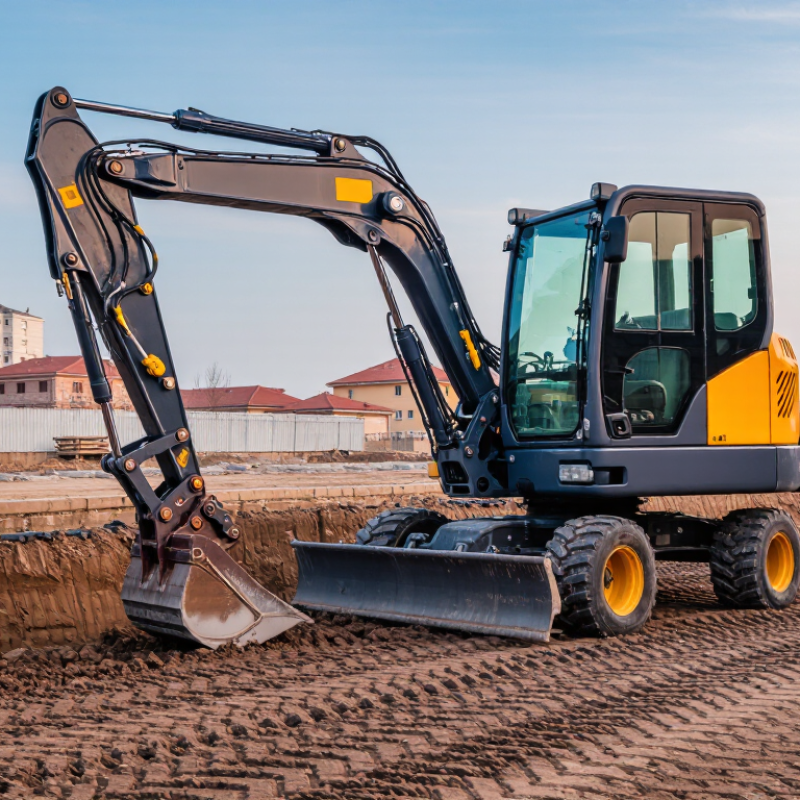
Buying a Mobile Excavator for an overseas project is not just a horsepower decision. The machine must fit the ground, travel routes, attachments, and service support available where it will work. A compact wheeled excavator may move quickly between urban jobs, while soft soil can demand different tires, stabilizers, or operating practices. Small details matter.
Industry data can help frame the decision. KHL’s 2024 Yellow Table ranks major construction-equipment manufacturers by sales, showing how broad and concentrated the supplier landscape can be. But manufacturer scale does not guarantee that a specific model suits your site or has reliable local parts support. Off-Highway Research’s global construction-equipment market analyses also examine regional market conditions. These reports offer useful context, not a substitute for checking the machine’s specifications and dealer network.
The seven buying tips in this guide focus on practical checks: operating weight, reach, hydraulic flow, transport dimensions, fuel use, attachments, and after-sales support. Compare the machine’s rated performance with real tasks, such as lifting a loaded bucket beside a trench or tracking across a narrow access road. Ask for service intervals, warranty terms, and parts lead times in writing. Then confirm that the quoted configuration matches the unit being delivered. A brochure can look convincing. It can still leave questions. No checklist removes every risk, and buyers should verify claims with the manufacturer or authorized dealer before committing.
Identify the Job Requirements and Operating Conditions
Before comparing mobile excavators, define the work they will actually do. List typical materials, trench depths, loading heights, and daily operating hours. A machine clearing loose soil has different needs from one breaking compacted ground. Measure the tightest turn. Check gate widths, overhead obstructions, and the space needed to unload attachments. A site sketch with distances is often more useful than a vague request for “general excavation.”
Ground conditions matter just as much. Note soft shoulders, gravel, wet clay, slopes, and areas where the machine must travel repeatedly. Mud changes everything. Record the longest travel distance and whether the excavator must work on uneven surfaces. Then estimate the heaviest routine lift, including the attachment, and check the required reach at that load. Rated lifting figures alone can mislead; capacity changes with boom position and ground stability.
Climate and logistics also shape the choice. Dust, frequent rain, or high temperatures can increase maintenance demands, while cold starts may affect daily schedules. Confirm transport width, machine weight, and access to suitable delivery equipment before ordering. Attachment needs deserve a careful review, too: a bucket used for narrow trenches may not suit bulk loading. Buyers sometimes overestimate future versatility. I would rather document the three most common tasks clearly, then leave room for one occasional job that may need a different setup.

7 Mobile Excavator Buying Tips for Global Buyers
Identify the Job Requirements and Operating Conditions
How to use this chart: These illustrative 1–5 planning scores are not industry survey data. Re-score each factor for your site: consider digging reach and depth, ground and slope, access constraints, lifting needs, daily duty cycle, travel between work areas, and local service availability before selecting a machine.
Compare Excavator Size, Mobility, and Performance Specifications
A mobile excavator must fit the worksite, not just the sales sheet. Compare operating weight, transport width, and overall height with access roads, gates, and ground conditions. A machine that looks compact can still struggle on soft soil. Check axle load and tire options, too. On paved streets, tires may improve travel speed and reduce surface damage. On muddy or uneven ground, traction can become the bigger concern.
Look beyond engine power. Compare maximum digging depth, reach, bucket capacity, and hydraulic flow against your regular tasks. For trenching, a deeper reach may save repositioning. For loading trucks, cycle speed and lifting capacity at specific working radii matter more. Read the lifting chart carefully; capacity changes with boom position and ground stability. Small details count. A larger bucket can slow work if the material is dense or the machine feels unstable.
Mobility is useful only when the machine can travel safely between jobs. Confirm road speed, turning radius, and transport requirements for your routes. Then compare fuel use and service access, since daily operating costs can outweigh a small purchase-price difference. Specifications do not tell the whole story. Ask for a demonstration with similar soil and attachments, and record actual cycle times. Buyers sometimes focus too heavily on maximum reach; I would challenge that assumption if most work happens close to the machine.
Check Regional Regulations, Emissions Standards, and Import Duties
Before choosing a mobile excavator, check the rules in its destination country and region. Requirements can differ between ports, provinces, and job sites. Ask the local transport or equipment authority which permits apply to road travel, machine width, axle load, and safety features. A machine that fits one route may need special approval on another.
Emissions rules deserve close attention. Confirm the required engine stage or emissions certificate for the machine’s model year and intended use. Request the engine identification details and supporting documents before paying a deposit. Some markets also restrict older equipment or require inspections after arrival. Keep copies of certificates, invoices, and serial-number records. Small paperwork gaps can cause costly delays.
Calculate import duties before comparing prices. Customs charges may depend on the machine’s classification, declared value, origin, and current trade rules. Freight, insurance, port handling, taxes, and inspection fees can add substantially to the landed cost. Ask a licensed customs broker to review the proposed classification and estimate charges in writing. Check the estimate with official customs sources, too. Estimates can change. I once focused too much on the purchase price; the port and compliance costs mattered more than expected. Allow time for local registration and document translation, where required.
| Buying Tip | What to Check | Regional Example | Practical Buyer Action |
|---|---|---|---|
| 1. Confirm local machine requirements | Check applicable safety, conformity, labeling, and documentation rules for mobile construction machinery in the destination market. | In the European Union, machinery placed on the market must meet applicable EU conformity requirements. Requirements depend on the product and the rules in force when it is placed on the market. | Ask the supplier for the conformity documents, operating instructions, and safety labels required for your country. Confirm the applicable rules with the relevant local authority or compliance specialist. |
| 2. Match engine emissions to the worksite | Verify the engine’s certified emissions stage, rated power, engine family, and whether the machine qualifies for any local exemptions. | The EU Stage V requirements apply to covered non-road mobile machinery engines, with requirements varying by engine category and power range. US EPA nonroad engine standards also vary by engine power category and application. | Request the engine emissions label and certification documentation for the exact machine configuration. Check local restrictions before buying, especially for work in urban or regulated areas. |
| 3. Check the rules where the machine will operate | Look beyond national rules: cities, ports, public projects, and individual worksites may impose additional emissions or access conditions. | Some European cities use low-emission or zero-emission zones, while public tenders in different countries may set their own equipment requirements. | Confirm the project location’s current access rules and tender specifications. Obtain written confirmation that the selected engine and machine configuration are acceptable. |
| 4. Verify import duties and taxes before ordering | Estimate customs duty, import VAT or sales tax, customs fees, and any trade remedies. The final amount can depend on classification, origin, and customs value. | Tariff treatment is country-specific. In the EU, customs classification and origin affect duty rates; import VAT is generally handled separately from customs duty. | Have a customs broker verify the appropriate HS classification, origin documentation, and current landed-cost estimate before signing the purchase contract. |
| 5. Confirm shipping dimensions and road limits | Check transport width, height, length, operating weight, axle loads, and whether permits or escort vehicles are needed. | Road transport limits and oversize-permit procedures vary by country and sometimes by state, province, or route. | Request the machine’s transport specification sheet, including attachments and any removable components. Ask the local carrier to confirm the route and permit requirements. |
| 6. Make sure the configuration suits the job | Compare operating weight, reach, digging depth, lifting capacity, tire setup, stabilizers, and attachment compatibility with the intended work. | Operating and lifting capacity can change with boom, arm, counterweight, tires, and attachment configuration; published figures must be checked against the relevant load chart. | Match the machine’s load chart and dimensions to your tasks. Specify required attachments and hydraulic connections in the order documents. |
| 7. Plan for service, parts, and documentation | Check parts availability, technician support, warranty coverage, maintenance intervals, and manuals in the required language. | Warranty terms and service obligations are contract-specific and may differ between domestic and export purchases. | Get the warranty terms, maintenance schedule, parts list, and service contacts in writing. Confirm which party handles commissioning, training, and after-sales support. |
Evaluate Suppliers, Pricing, Warranty, and Parts Availability
Compare suppliers using the same machine configuration, not just similar-looking listings. Record operating weight, travel speed, digging depth, and attachment compatibility. A low quote may exclude shipping, setup, or essential hydraulic lines. Ask for a dated, itemized offer that names each included component and its cost. Small details matter. If a specification is unclear, get it confirmed in writing before paying a deposit.
Check how long the supplier has supported machines in your destination market. Request recent customer references and ask about delivery delays, training, and service response times. Also confirm who handles warranty claims: the seller, a local technician, or a remote service team. A polished showroom is not proof of dependable support. Response time matters. One practical test is to send a technical question and note how clearly it is answered.
Read the warranty exclusions carefully, including coverage for travel, labor, and wear parts. Compare the warranty period with the work hours stated in the contract. Then check parts availability: ask for prices and lead times for filters, hoses, seals, and common electrical components. A parts list is useful, but local stock is better. It is easy to focus on the purchase price and overlook downtime; that mistake can be expensive. Ask whether critical parts can be shipped promptly and who pays freight.
Inspect the Machine and Confirm Delivery and After-Sales Support
Before buying a mobile excavator, inspect the actual machine, not only its sales photos. Check the boom, stick, bucket, and undercarriage for cracks, uneven wear, or fresh paint covering repairs. Start the engine when cold and watch for smoke, leaks, or delayed hydraulic movement. Test steering and travel on firm, level ground. A clean exterior is useful, but it proves little about hours or maintenance. Ask for service records and compare the hour meter with inspection documents. If you cannot visit, arrange an independent inspection and request clear videos of cold starting and operation.
Tips: Photograph the serial plate, hour meter, tires, and visible wear. Record any defects in writing before payment. Small details matter.
Confirm delivery terms before the machine leaves the yard. Get the estimated shipping date, destination handling responsibilities, and a written list of included attachments. Ask how transit damage should be documented and reported. Keep copies of inspection photos and delivery records; they can help resolve disagreements. After-sales support should be specific, not just a promise of help. Confirm response times, parts availability, warranty coverage, and whether remote troubleshooting is offered. Ask who pays for labor or shipping when a covered part fails. Some details may still be unclear; pause and request written answers rather than relying on a quick call.