10 Jewelry Equipment Buying Tips for Global Buyers
Buying Jewelry Equipment across borders is not just a price comparison. A casting machine may look impressive in a catalogue, yet its power requirements, maintenance needs, and available support can determine whether it fits your workshop. Small details matter: the size of a bench, the reach of a service technician, even the time needed to replace a worn part.
A note on attribution: the expert voice below is fictional, so its wording should not be presented as a real person’s verified quotation. In that illustrative voice, jewelry equipment adviser Daniel Mercer says, “Buy for the work your bench must do, not for the features that look impressive.” The principle is simple. The buying decision is not. Global buyers should compare equipment specifications, supplier experience, training, warranties, shipping arrangements, and ongoing service. Ask direct questions. Request clear documentation. A polished sales page is not proof of reliable support.
The tips ahead offer a practical framework, from defining production needs to checking equipment compatibility and evaluating supplier communication. They also encourage buyers to compare total ownership costs, not just the initial invoice. No checklist removes every doubt. Some requirements become clear only after daily use, and that is worth admitting. Still, careful research can prevent avoidable surprises, such as a machine that cannot handle your materials or a tool that arrives without useful setup guidance. Choose for the workbench you have—and the work you realistically plan to do.
Identify Jewelry Production Needs and Required Equipment
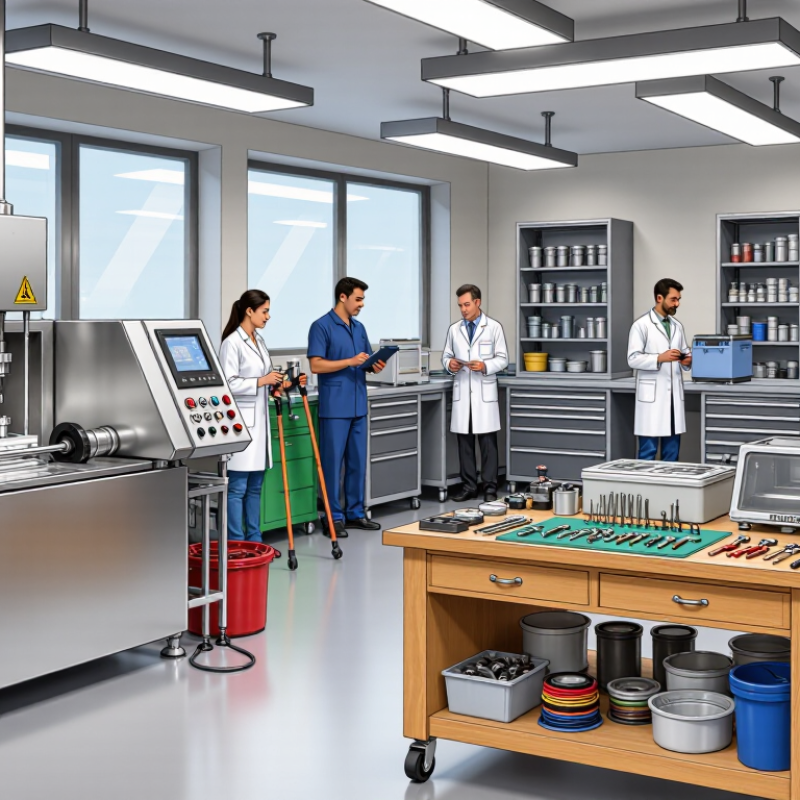
Before comparing jewelry equipment, map the work your shop will actually perform. List product types, materials, batch sizes, and finishing steps. A maker producing silver rings needs different tools from a workshop casting small gold pendants. Note whether designs require sawing, soldering, polishing, stone setting, or casting. Measure available bench space and check power, ventilation, and compressed-air needs. Small details matter.
Choose equipment around the workflow, not a sales catalogue. A jeweler’s bench, flex-shaft tool, polishing unit, and soldering setup may cover basic fabrication, while casting or laser welding may suit specific production needs. Check capacity, adjustment range, maintenance requirements, and operator training. Ask suppliers for operating manuals and sample test results where available. I have seen buying plans change after a first production run; estimates are often too optimistic. Leave room to reassess.
Tips: Write down your expected weekly output. Test tools on representative materials before committing. Confirm service access, spare-part availability, and safety instructions. A machine that looks efficient on paper may slow a small team if setup is awkward. Keep your checklist practical.
Match Melting Equipment to Jewelry Materials
When selecting melting or casting equipment, check that its operating range suits the metals you plan to process. Values shown are approximate melting points for pure metals; jewelry alloys can melt at different temperatures.
Compare Equipment Types, Capabilities, and Technical Specifications
Compare equipment by process, not headline power. Vacuum casting suits repeatable batches; laser welding handles localized repairs and fine joints. Resin printers produce detailed patterns, while polishing machines determine the finish and material loss. Check working volume, temperature range, repeatability, energy demand, and service access. A large chamber is useful only if it fits your actual flask sizes.
The Wohlers Report 2024 recorded 11.1% growth in the overall additive manufacturing industry in 2023, reaching US$20 billion. That figure covers many industries, not jewelry alone, but it signals expanding options for pattern-making equipment. Ask suppliers for test pieces made with your alloy, resin, or workflow. Compare measured detail, cycle time, and reject rates—not brochure claims. Specifications can look precise. Real results vary.
Tip: Request a live demonstration using a representative design. Confirm whether quoted accuracy refers to the machine, the finished part, or ideal test conditions. Also check software compatibility, operator training, consumables, and maintenance intervals. A low purchase price may hide recurring costs. And a perfect sample may not reflect daily production.
Evaluate Suppliers, Quality Standards, and Regulatory Compliance
When comparing jewelry equipment suppliers, ask for more than a product sheet. Request the machine’s operating range, maintenance schedule, and a written list of included parts. A short live demonstration can reveal vibration, uneven heating, or awkward controls. Ask how the supplier handles calibration and repairs after delivery. Get response times in writing. A polished video is not proof of consistent performance.
Check quality documents against the exact model you plan to buy. Confirm that test reports and certificates are current, traceable, and issued by a qualified testing body. Inspect sample welds or finished surfaces under bright light; small defects can become costly when production scales up. Ask about spare-part availability and expected replacement intervals. One overlooked screw can stop a workbench.
Regulatory requirements vary by destination and equipment type. Verify applicable electrical safety, machine-guarding, labeling, and import documentation requirements with a qualified local adviser before ordering. Do not assume a supplier’s general compliance statement covers your market. Keep manuals, test records, and invoices together for inspection and future maintenance. A cheaper machine may still be the right choice, but only if its limits are clear. Buyers sometimes focus so much on price that they forget to check whether local technicians can service it. That is easy to miss.
Calculate Total Costs, Shipping, Installation, and Training
A machine’s quoted price is only the starting point. Compare the total cost of getting it safely installed and ready to use. Ask whether crating, freight, cargo insurance, customs charges, and local delivery are included. These costs can change with the machine’s size, destination, and shipping method. Request a written estimate with each item listed. It is easier to compare.
Check the installation requirements before ordering. Confirm the machine’s weight, floor space, electrical supply, ventilation, and any air or water connections. A technician may need extra time if the workshop is not prepared. Ask who pays for travel, accommodation, and repeat visits if setup is delayed. Small details matter. I would still keep a contingency in the budget; shipping dates and site estimates are not promises.
Training also has a real cost. Find out how many people can attend, how long instruction lasts, and whether it covers routine maintenance and troubleshooting. If training is remote, check the internet and language arrangements in advance. Ask for manuals and a list of recommended spare parts. A lower-priced package may omit useful support, but a larger package is not automatically better. Match the training to the team’s actual experience, then record any unanswered questions before signing.
Confirm Warranty, Maintenance, and After-Sales Support
A warranty should name the covered parts, labor, shipping, and repair period—not just promise “support.” For a polishing machine, ask whether the motor, spindle, and control panel are covered separately. Confirm who pays to ship a heavy unit for repair, and how quickly replacement parts can be dispatched. A long warranty looks reassuring. Small print matters. Ask for the exclusions in writing, including damage caused by dust, incorrect voltage, or missed servicing.
Tip: Request a sample maintenance schedule, the service contact’s response hours, and a written estimate for common replacement parts. Check whether remote troubleshooting is available, and whether technicians can work in your time zone. Keep these answers with the purchase order.
McKinsey & Company’s 2018 analysis of predictive maintenance estimated potential reductions of 10–40% in maintenance costs and 30–50% in equipment downtime. These are broad industrial estimates, not jewelry-equipment guarantees. Still, they show why after-sales support affects operating costs, not just convenience. Ask the supplier how its service process supports those outcomes, then verify the answer against actual response-time commitments. I would not assume every delay is covered; clarify what happens when a repair takes longer than promised.