
How to Choose Die Cast Part Surface Finishing in 2026?

Choosing Die Cast Part Surface Finishing in 2026 is not just a cosmetic decision. A finish can affect corrosion resistance, wear, appearance, and the way a part fits its assembly. The right choice depends on the alloy, casting quality, operating environment, and production volume. A bright showroom surface and a durable finish for a damp factory floor may require different processes. Small details matter.

Casting expert John Campbell is widely associated with the principle, “The quality of a casting is determined by the quality of the liquid metal.” His point is relevant here: finishing cannot reliably hide every defect created during casting. It may reveal them instead. That is easy to overlook when comparing sample parts under clean lighting. A useful selection process starts with the part’s function, then considers preparation, finish consistency, cost, and inspection needs. Ask how edges, holes, and recessed areas will be treated. Ask what the surface should look like after real use, not only on day one.

There is no universal best finish. Some choices trade lower cost for limited durability; others add processing steps that may not suit every design. Even a polished sample can mislead. This guide compares common Die Cast Part Surface Finishing options and explains what to check before specifying one. The final decision should be tested against actual requirements. A little uncertainty is honest. A rushed specification can be expensive.
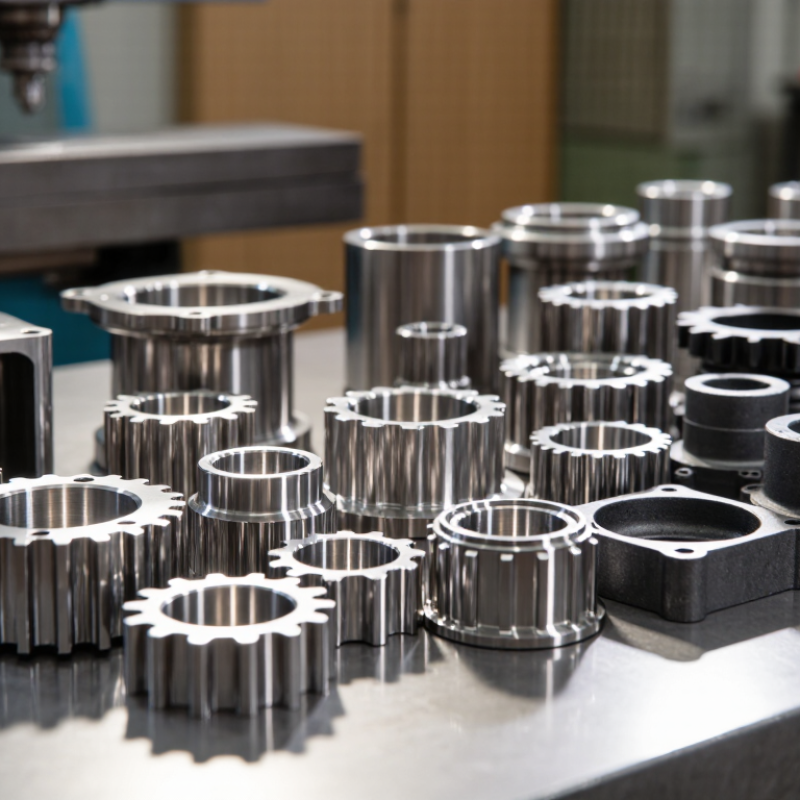
How to Choose Die Cast Part Surface Finishing in 2026?

Identify the Die Cast Alloy and Part Requirements

How to Choose Die Cast Part Surface Finishing in 2026?

Identify the Die Cast Alloy and Part Requirements

Start with the exact alloy, not just “aluminum.” NADCA’s 2024 Product Specification Standards list A380 aluminum at 7.5–9.5% silicon and 3.0–4.0% copper. That chemistry can influence pretreatment and coating adhesion, so confirm the actual alloy and supplier specification before choosing a finish. A zinc or magnesium casting needs a different process review. Do not guess.

Next, define what the part must withstand. A visible appliance housing may need an even color and smooth edges; a pump component may prioritize corrosion resistance. Include operating humidity, contact with other metals, abrasion, and any electrical-grounding needs. Also check draft angles, pores, and tight recesses: coating coverage can vary in those spots. A spec sheet rarely tells the whole story. Test representative castings, not only flat coupons.

Tips: Share the alloy, drawings, service conditions, and cosmetic zones with your finisher. Compare sample parts for adhesion, appearance, and corrosion performance. Keep dimensional tolerances in view; a thicker finish can affect a close-fitting bore.


Compare Surface Finishing Methods and Their Applications

Choosing a die cast surface finish starts with the part’s job, not its appearance. A housing inside a dry enclosure may need only trimming and light abrasive blasting to remove sharp edges and visible flash. Blasting creates a more even, matte texture, but it can soften fine details if pressure or media size is poorly controlled. Check dimensions afterward.

For outdoor components, a conversion coating can support corrosion resistance and improve paint adhesion. Powder coating adds a thicker, durable layer and offers color choices, though it may cover small features or affect tight fits. Masking matters. For conductive parts, plating may suit contact areas, but pores in the casting can lead to uneven coverage. Test representative parts before committing.

Anodizing is common on aluminum, yet die cast alloys can respond unevenly because their silicon content and surface structure vary. The result may look patchy. That limitation is easy to underestimate. Specify the finish alongside the alloy, cleaning method, and acceptable appearance range. Then review sample parts under the lighting and handling conditions they will actually face. A finish that looks smooth on a drawing may show scratches after assembly.

Assess Appearance, Durability, Cost, and Production Needs

A die cast part’s finish should fit its job, not just a showroom sample. Start with appearance: a visible appliance cover may need an even color and low roughness, while a hidden bracket may only need corrosion protection. Casting pores, sharp edges, and release-agent residue can affect coating adhesion. Ask the finisher to test parts from the actual production process, not only smooth laboratory coupons. Small detail. It matters.

Durability changes the cost calculation. The 2016 NACE IMPACT study estimated global corrosion costs at $2.5 trillion, or 3.4% of global GDP, and said better corrosion-control practices could save 15%–35%. That is broad industry context, not a promised saving for any one part. Compare finishes against the part’s real exposure, such as indoor humidity, road splash, or repeated cleaning. Then include pretreatment, masking, inspection, scrap risk, and line speed in the quote. A durable finish can still be a poor choice if it creates bottlenecks. Check rack marks and color variation on a pilot run. I would also revisit the choice after the first production batch; sample approval is useful, but it can miss process variation.

Review Quality Standards and Environmental Requirements for 2026

Choosing a die cast part finish in 2026 starts with its working environment, not its color. A control-panel housing exposed to fingerprints needs different protection from a bracket facing road spray. Define appearance, coating thickness, adhesion, and corrosion resistance before requesting quotes. Small details matter. Specify test methods and acceptance limits, then confirm they suit the alloy and part geometry. Sharp edges and recessed corners can receive uneven coverage.

Review the latest customer requirements and applicable standards for each destination market. Cross-cut adhesion testing, such as ISO 2409, can help assess coating bonding. Salt-spray testing, such as ISO 9227, offers a controlled comparison, but it does not guarantee a specific service life. Ask for documented results on representative parts, not just flat test panels. This step is easy to overlook.

Environmental requirements deserve equal attention. Check current restrictions on substances, cleaning chemicals, and coating materials for the intended market. Request supplier declarations and ask how wastewater, solvent emissions, and process waste are managed. A lower-emission coating may still fail if pretreatment is poor. Compare the finish’s performance with its repairability and end-of-life handling, too. Specifications can look complete on paper; production trials often reveal missed edges, inconsistent gloss, or trapped residue. Revisit the criteria when the part design or finishing supplier changes.

Select, Test, and Specify the Surface Finish

Choosing a die cast finish starts with the part’s job, not a sample photo. Define exposure to moisture, handling, heat, and cleaning chemicals. A matte coating may hide minor marks, while a polished surface can make small defects more visible. That matters. Also consider where the part will be assembled and which faces remain visible.

Select a finish that suits the alloy and casting condition, then test it on production-representative parts. Ask the finishing supplier to confirm preparation steps and likely effects on dimensions, edges, and threaded holes. Check more than color: inspect coverage around ribs, recesses, and mounting bosses. Measure coating thickness where fit is tight. Test adhesion and corrosion resistance using methods appropriate to the part’s actual service environment. A flat test coupon helps, but it may not reveal problems in deep pockets. Looks can deceive.

Specify the finish by process, color reference, gloss range, coverage areas, and measurable acceptance criteria. Include masked zones, permitted touch-up, inspection methods, and an approved physical sample when appearance matters. Record the alloy, casting condition, and finish revision so later batches can be compared fairly. A neat specification still cannot remove every judgment call. Lighting, casting texture, and operator assessment can shift what “matches” means. Agree on inspection conditions before production, and revisit them when the design changes.

How to Choose Die Cast Part Surface Finishing in 2026

Standard Ra targets provide a useful starting point for selecting and specifying surface texture.

How to use this chart: Ra is the arithmetic average surface roughness; lower values indicate a smoother texture. These are standardized roughness values, not guaranteed results for a particular die-casting or finishing process. Specify the required Ra, measurement method, and inspection locations, then validate representative parts before production.

Article Source:

REQUEST A QUOTE

Menu
[all-fields]