How to Choose a Natural Gas Generator in 2026?
Choosing a Natural Gas Generator in 2026 starts with the work it must do, not the largest number on a brochure. Power-generation author Paul Breeze’s work offers a useful principle: match the technology to its intended duty. Treat that as a paraphrase, not a verbatim quotation. Is the unit for brief outages, daily operation, or critical backup? The answer changes the required capacity, controls, and maintenance plan.
List the equipment that must run together. Include motor-starting surges, not just the steady load. A pump may draw much more power for a few seconds when it starts. Check the site’s gas supply pressure and flow, too; a generator cannot deliver its rated output if fuel delivery falls short. Then compare standby and prime ratings, noise levels, emissions information, warranty terms, and service access. Ask a qualified installer to verify the site conditions and connections.
Small details matter. A winter outage, a dusty equipment room, or a hard-to-reach service panel can change what works well. That sounds tidy. Real sites are messier. A unit that looks right on paper may not fit the actual load or fuel supply. Write down your assumptions, and revisit them with the installer before buying. In 2026, controls and monitoring options may also affect usability, but extra features do not replace correct sizing. Choose a Natural Gas Generator that fits the real operating conditions, and leave room for uncertainty. That part is easy to overlook.
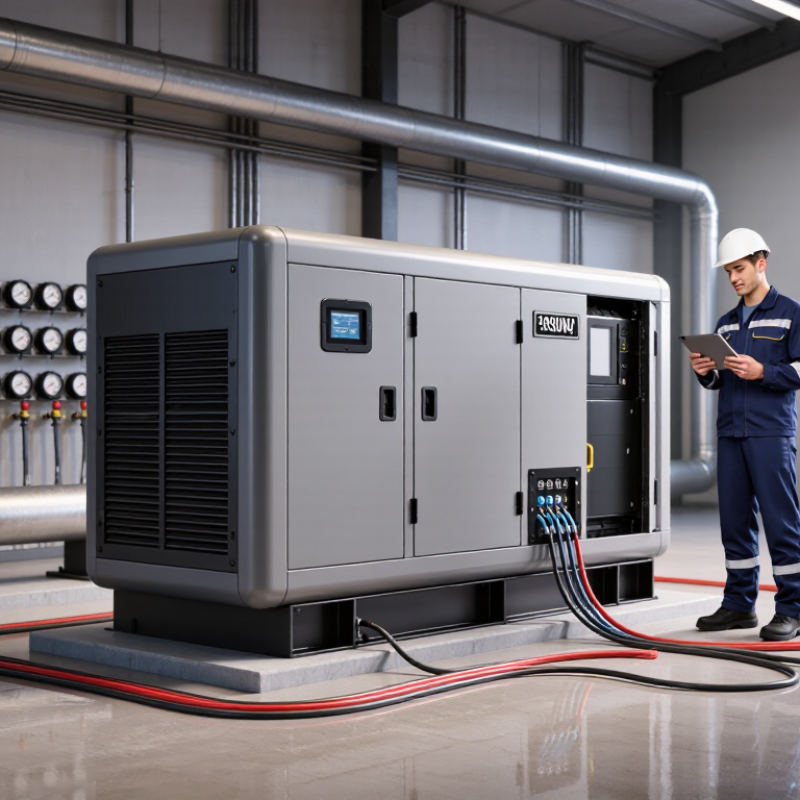
Identify Your Power Needs and Generator Type
Begin with a load list, not a generator catalog. Record the appliances and circuits you need during an outage: refrigerator, furnace controls, lights, medical equipment, and perhaps a well pump. Note each item’s running watts and starting surge; motors can briefly demand much more power. The U.S. Energy Information Administration’s Electric Power Annual 2022 reported about 5.6 hours of average customer interruptions, including major events. That figure is a useful prompt, not a sizing target. Your local outage pattern and household needs matter more.
Small loads add up. Decide whether you need essential circuits or near-whole-home coverage, then total their simultaneous demand and have an electrician check the calculation. A portable natural-gas-capable generator may suit limited, occasional backup, but confirm fuel compatibility and output with its documentation. A permanently installed standby unit can serve selected circuits or more of the home, often through an automatic transfer switch. Either type needs adequate gas-line capacity, correct installation, and outdoor placement away from doors and windows. One detail is easy to overlook: generator output can fall under demanding site conditions, so a close match on paper may feel undersized in practice. Ask a qualified installer to verify the load, gas supply, and transfer setup before choosing capacity.
How to Choose a Natural Gas Generator in 2026: Identify Your Power Needs and Generator Type
Values are approximate watts; actual requirements vary by appliance and motor. Add the running watts of the loads you expect to use at the same time, then allow for the largest starting surge. Check appliance labels and the generator’s natural-gas output rating before choosing a unit.
Check Natural Gas Supply, Installation Site, and Local Rules
Before comparing generator output, confirm the gas supply can support it. The U.S. Energy Information Administration’s Natural Gas Annual reports average U.S. consumption of 89.1 billion cubic feet per day in 2023, but national supply figures cannot confirm pressure at your meter. Ask the gas utility or a qualified installer to check service capacity, regulator pressure, pipe size, and demand from appliances running at the same time. A stove, furnace, and generator can compete for flow. Small details matter.
Walk the proposed installation site with the equipment manual and local requirements in hand. Check clearances, exhaust direction, service access, drainage, and distance from doors, windows, and air intakes. A low spot that collects rainwater may look convenient until heavy weather arrives. Noise matters, too, especially near bedrooms or neighboring homes. NFPA 37 addresses stationary engine installations, while NFPA 54 covers fuel-gas piping; local authorities may apply additional rules. Not just the nameplate.
Before buying, ask your local building department and gas utility about permits, inspections, setbacks, and connection requirements. Rules differ by location, and a contractor’s estimate is not a substitute for approval. I would verify the site in person; a neat drawing can miss a fence, vent, or narrow service path. Check twice.
Assess Installation Costs, Maintenance, and Long-Term Reliability
How to Choose a Natural Gas Generator in 2026?
Installation costs extend beyond the generator itself. Angi’s 2025 cost guide estimates whole-home standby installations at roughly $7,000–$15,000, with site conditions affecting the final bill. Ask for separate prices for gas piping, electrical work, a transfer switch, permits, and any panel upgrade. A narrow driveway or distant utility connection can change the quote. That gap matters. The U.S. Energy Information Administration’s Natural Gas Annual provides state-level residential price data; use local utility rates, not a national average, to estimate fuel costs. Request the generator’s consumption at your expected load.
Maintenance deserves equal attention. Follow the unit’s service schedule, and budget for oil, filters, battery checks, and qualified inspections. NFPA 110 outlines inspection and testing practices for emergency and standby power systems, though its scope is not a substitute for residential equipment instructions. Keep a dated service log. Test the automatic transfer function under professional supervision, not just the monthly exercise cycle. A quiet test is reassuring, but it does not prove the system will carry your actual household load during a long outage. Compare warranty terms, local technician availability, and parts access before buying; a low installation quote may cost more when support is scarce.