What Is a Cold Brew Coffee Maker and How Does It Work?
A Cold Brew Coffee Maker turns coarse coffee grounds and cool water into a smooth, concentrated brew through patience rather than heat. Add grounds to the filter, pour in water, and let the mixture steep for hours. Then lift out the filter or strain the coffee. No kettle. No rush.
The method has gained a place in a growing coffee market. Grand View Research estimated the global cold brew coffee market at about $1.37 billion in 2023 and projected continued growth through 2030. That figure describes cold brew coffee, not cold brew makers, but it shows why more drinkers are exploring the method. Coffee educator James Hoffmann has explained the basic distinction this way: cold brew relies on time and cool water, rather than hot water, to extract flavor. It sounds simple. The details still matter.
A reliable maker helps control those details: the grounds-to-water ratio, steeping time, and filtration. Picture a glass carafe on the refrigerator shelf, with a fine-mesh filter keeping gritty grounds out of the finished drink. Coarser grounds often make straining easier, while an overly long steep can produce a heavier taste. A maker cannot fix every mistake. Water quality and storage count, too. Cold brew is convenient, but it is not automatically better coffee. Understanding how the equipment works helps you choose a method that fits your kitchen, your schedule, and the flavor you actually enjoy.
What Defines a Cold Brew Coffee Maker
A cold brew coffee maker is a vessel designed to steep ground coffee in cool or room-temperature water, then separate the liquid from the grounds. That is the key. It does not simply chill hot coffee. Many models use a jar or chamber, a removable filter basket, and a lid; simpler versions may be little more than a container and a fine-mesh strainer. No heating needed.
The defining feature is controlled immersion: grounds stay in contact with water for an extended period, often about 12 to 24 hours, depending on grind size and taste. A coarse grind can help limit sediment, while a snug filter keeps most grounds out of the finished drink. The process is forgiving, but not exact. Two batches can taste different, even with the same coffee, because water, grind, and steep time all matter. The category is a little fuzzy, too: a regular jar can make cold brew if it holds the coffee and allows effective filtering. Check that parts are easy to clean, and refrigerate the brewed coffee after straining. Small detail, big difference.
What Is a Cold Brew Coffee Maker and How Does It Work? — What Defines a Cold Brew Coffee Maker | Feature or component | What it does | Typical setup or range | Why it matters |
| Brewing vessel | Holds ground coffee and water together during steeping. | Usually a covered container made from glass, plastic, or stainless steel. | A covered vessel helps contain the brew and limits exposure to odors and debris. |
| Filter or coffee basket | Keeps coffee grounds separate from the brewed liquid, either during steeping or when pouring. | May be a removable mesh basket, a built-in filter, or a separate paper-filter step. | The filter affects convenience and how much fine sediment remains in the drink. |
| Coarse coffee grounds | Release soluble coffee compounds into the water over an extended period. | A coarse grind is commonly used for immersion-style cold brew. | Coarser grounds are easier to filter and can help reduce a muddy or overly gritty result. |
| Water and coffee ratio | Sets the strength and concentration of the finished brew. | A ratio near 1:8 by weight is a common starting point for ready-to-drink cold brew; more concentrated recipes use less water. | Ratios vary by recipe, grind, and taste preference, so the brew may be diluted after filtering. |
| Steeping time | Allows extraction to take place without the hot water used in conventional brewing. | Many immersion recipes steep for about 12–24 hours; the exact time depends on the recipe and conditions. | Changing the steep time can affect flavor and strength; longer is not automatically better. |
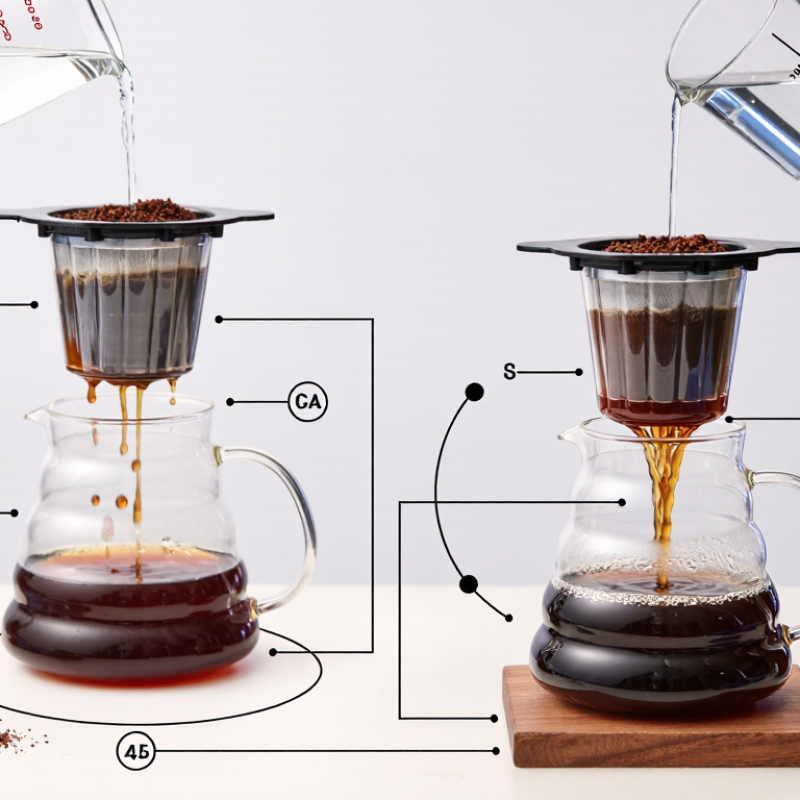
| Brewing method | Most makers use immersion, where grounds sit in water; some use slow, controlled dripping through coffee grounds. | Immersion is generally hands-off; drip-style systems release water gradually. | Both methods brew without hot water, but their equipment and contact patterns differ. |
| Filtration and serving | Separates the brewed coffee from the grounds before pouring or storing. | Some designs include a spout; others require lifting out a filter or pouring through a separate strainer. | A clean separation helps prevent continued extraction and makes serving easier. |
| Storage and handling | Keeps the finished coffee covered between servings. | Refrigerate brewed coffee promptly and follow food-safety guidance for storage. | Cold brewing is not a sterilization process; refrigeration does not make the coffee shelf-stable. |
The Main Components and Their Functions
A cold brew maker usually has three practical parts: a brewing vessel, a filter, and a lid. The vessel holds water and coarse coffee grounds during steeping. Its material and capacity affect how much coffee you can prepare. The filter separates the grounds from the finished drink. It may be a fine metal mesh basket or a removable fabric sleeve. Mesh is easy to rinse, though tiny particles can still pass through. That can leave some grit. The lid helps prevent spills and keeps refrigerator odors away.
To use the maker, add coarse grounds to the filter and pour in cool water. Make sure all the grounds are wet; dry pockets may extract unevenly. A typical batch steeps in the refrigerator for about 12 to 18 hours, though the best time depends on taste and grind size. Then lift out the filter and let it drain into the vessel. Some designs use a valve to release the coffee through a separate outlet. Small leaks happen. Check the filter and lid before moving the container. Dilute the finished concentrate with water or milk as desired, and wash the parts promptly. Old residue can make a later batch taste stale. Steeping times can feel less exact than recipes suggest, so tasting along the way is useful.
How Cold Brew Coffee Makers Extract Coffee
A cold-brew maker extracts coffee by steeping ground beans in cool or room-temperature water, rather than pushing hot water through them. Most models hold grounds in a mesh basket or filter, submerged in a pitcher. Water slowly dissolves flavor compounds as it passes through the grounds. That takes patience. Steeping often lasts 12 to 24 hours, though grind size, water ratio, and temperature change the result.
Coarser grounds can make filtering easier, but a grind that is too coarse may leave the drink thin. Finer grounds extract faster, yet can slip through the filter and create sediment. The Specialty Coffee Association’s Brewing Control Chart places a common brewed-coffee reference at 18–22% extraction yield and 1.15–1.35% total dissolved solids. These are useful comparison points, not cold-brew-specific targets; concentrated batches need dilution accounted for. Small details matter. Keep the grounds evenly wet, then filter thoroughly before serving. Cold extraction can taste smoother, but it does not guarantee lower acidity in a chemical sense. That distinction is easy to miss, and home steeping results can vary more than recipes suggest.
Key Factors That Shape the Brewing Process
A cold brew coffee maker holds coarse-ground coffee in cool or room-temperature water for several hours, then separates the grounds from the liquid. Its simple design can make the process seem effortless, but small changes in the setup can noticeably alter the cup.
Grind size matters. Coarse particles are easier to filter and less likely to leave a gritty finish, while very fine grounds may produce a cloudy, harsher brew.
The coffee-to-water ratio also shapes strength. A heavier dose creates a concentrated base; adding water later can soften it. Measure both, even if only with a kitchen scale.
Guesswork works—until it doesn’t.
Time and temperature influence extraction together. A longer steep often draws out more flavor, but it can also bring unwanted bitterness, especially with finer grounds. Cooler water generally extracts more slowly than room-temperature water, so the same steep time may taste different.
Keep the grounds fully submerged, and filter the brew carefully; a mesh screen may let fine sediment through. Taste a small sample before changing several variables at once.
It is tempting to adjust everything, and that makes the result harder to understand.
Common Cold Brew Maker Designs and Features
Cold brew makers use several designs, but most rely on cold water and time rather than heat. Immersion pitchers are common: coarse coffee grounds sit in water inside a carafe, often in a removable mesh basket. After steeping, you lift out the filter and pour. It is simple, though fine sediment can still settle at the bottom.
Some models use a large jar with a separate filter core. Others use slow-drip towers, where cold water passes gradually over grounds into a lower vessel. Towers look precise, but they need more counter space and attention. Useful features include a tight lid, clear volume markings, a sturdy handle, and a filter that lifts out easily. Glass shows the brew level; stainless steel may handle daily knocks better. Neither design fixes a grind that is too fine.
Tips: Choose a maker that fits your fridge shelf and usual serving size. Start with coarse grounds, then adjust steeping time to taste. A small detail matters: wet grounds can cling to the filter, so rinse it promptly. Cleanup is not exciting, but it affects whether the maker gets used again.
What Is a Cold Brew Coffee Maker and How Does It Work?
Common cold brew maker designs use either immersion or slow-drip extraction. This chart shows typical brewing-time ranges; actual times vary with the recipe, grind, and equipment.
Immersion makers steep coffee grounds in cold water before filtering. Cold-drip designs let water pass gradually through the grounds. Bars represent typical time ranges, not fixed rules.