What is a Full Voltage Magnetic Starter and How Does It Work?
In the world of industrial automation, the "Full Voltage Magnetic Starter" plays a pivotal role. According to electrical engineering expert Dr. Emily Carter, "A Full Voltage Magnetic Starter is essential for ensuring safe and efficient motor operation." Understanding its functionality can greatly enhance energy efficiency in various applications.
This device serves as the backbone for starting and stopping large motors with ease. By utilizing electromagnetic principles, a Full Voltage Magnetic Starter allows motors to receive the power necessary to initiate motion while protecting circuits. It ensures that the electrical flow is managed precisely, reducing the risk of overloads and damage.
Despite its reliability, there are aspects that require careful consideration. Maintenance is crucial to prevent failures. An unmonitored magnetic starter can lead to unexpected downtime or even hazardous situations. Continuous learning about its operation can help improve performance and safety protocols. Recognizing the importance of best practices can create a more dependable industrial environment.
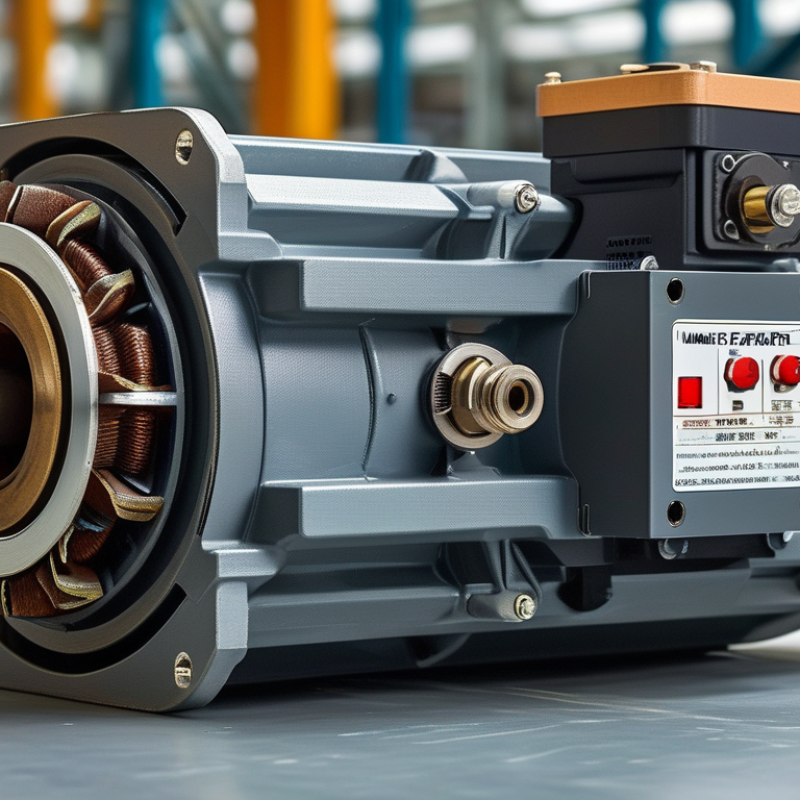
What is a Full Voltage Magnetic Starter?
A Full Voltage Magnetic Starter is an essential component in industrial electrical systems. It is designed to control large electric motors by using a contactor and overload relay. When the starter is activated, it allows full voltage to flow to the motor, enabling it to start immediately. This feature is crucial for applications requiring high starting torque.
In terms of reliability, industry reports indicate that approximately 70% of motor failures are linked to issues with their starters. This high percentage underscores the importance of selecting the right starter for specific applications. For example, Full Voltage Magnetic Starters are particularly useful for motors that operate continuously under fixed loads. They can handle the inrush current effectively without causing significant voltage drops in the system.
However, the implications of using a Full Voltage Magnetic Starter can vary. If improperly sized, they can lead to frequent trips or damage to the motor. This calls for careful consideration during installation and use. Regular maintenance and inspections are necessary to ensure optimal performance. Understanding these factors is vital for operators aiming for long-lasting equipment while preventing sudden failures.
Components of a Full Voltage Magnetic Starter
A Full Voltage Magnetic Starter consists of several key components that play essential roles in its function. These components include the contactor, overload relay, control circuit, and power supply. The contactor is an electromechanical switch that connects the power supply to the motor. According to industry reports, a properly functioning contactor can handle over 100,000 operations before failure. This durability is crucial for industrial applications requiring reliable motor control.
The overload relay is designed to protect the motor from overheating. It monitors the current and interrupts the circuit when it exceeds safe levels. Without this safety feature, motors risk damage, leading to costly repairs and downtime. Studies have shown that around 5% of motor failures are attributed to overload conditions. The control circuit facilitates user interaction, allowing operators to start, stop, or reset the motor easily.
Despite these reliable features, imperfections can still arise during operation. Wiring issues can lead to intermittent connections. Additionally, environmental factors such as dust and moisture can degrade performance. Regular maintenance is essential to ensure efficiency. It helps to identify wear and tear that may hinder operation. A proactive approach can significantly reduce operational hiccups in industrial settings.
How Does a Full Voltage Magnetic Starter Operate?
A full voltage magnetic starter is a key component in industrial electrical systems. It controls the power supply to motors, allowing them to start, run, and stop safely. The design typically includes a contactor and an overload relay. When activated, the contactor closes, enabling current to flow to the motor at full voltage.
Understanding how a full voltage magnetic starter operates is essential. Upon receiving a signal, the electromagnet in the contactor pulls in the contact points. This action completes the circuit, sending full voltage to the motor. As the motor starts, the overload relay monitors its current. If the current exceeds a safe level, the relay interrupts the circuit, preventing damage to the motor.
However, there can be flaws in installation or operation. Misconfigured settings might lead to frequent tripping of the overload relay. This creates unnecessary downtime. Regular maintenance and inspection are crucial in identifying these issues. Observing the starter’s performance can help in pinpointing inefficiencies and ensuring the system runs smoothly. Understanding these operations can lead to more effective troubleshooting and system reliability.
What is a Full Voltage Magnetic Starter and How Does It Work?
| Feature | Description |
| Function | Controls the power to an electric motor by connecting and disconnecting electrical circuits. |
| Components | Includes a contactor, overload relay, and often a control circuit for operation. |
| Operation Voltage | Rated for full voltage operation, meaning the motor receives its full rated voltage when started. |
| Benefits | Reliable motor starting, protection from overloads, and manual or automatic operation options. |
| Applications | Used in industrial settings to control large electric motors in machinery, pumps, and HVAC systems. |
| Safety Features | Includes overload protection and emergency stop features to minimize risk of damage or hazards. |
| Maintenance | Regular inspections and testing of the contactor and overload relay ensure proper operation. |
Applications of Full Voltage Magnetic Starters in Industries
Full voltage magnetic starters play a vital role in various industrial applications, especially in controlling heavy machinery. These starters facilitate the direct connection of the electric motor to the power supply, allowing it to run at full voltage. This feature is essential for motors that require high starting torque, such as pumps, compressors, and conveyor belts. By providing a robust method for starting large motors, they ensure efficient operation in demanding environments.
In industries like manufacturing, mining, and construction, full voltage magnetic starters are indispensable. They enable machines to start quickly, which is crucial in high-demand scenarios. However, the simplicity of their design can lead to challenges. For instance, if a motor malfunctions, the starter may not provide adequate protection. This can result in equipment damage or downtime. Regular maintenance and monitoring are necessary to mitigate these risks.
Additionally, while full voltage magnetic starters are reliable, they might not be ideal for all applications. Some motors may experience high inrush currents that can lead to electrical disturbances. This requires careful consideration when designing electrical systems. Industry professionals must weigh the benefits and limitations, ensuring that the chosen starter aligns with specific operational needs.
Benefits and Limitations of Using Full Voltage Magnetic Starters
Full voltage magnetic starters are essential in industrial applications. They provide a reliable method for controlling electric motors. However, there are both benefits and limitations to consider with these devices.
One significant benefit of full voltage magnetic starters is their efficiency. They allow motors to reach operating speed quickly, which can reduce wear and tear. This efficiency can lead to lower energy costs. Moreover, they require minimal maintenance, which is a major plus for industrial settings.
However, challenges exist. One limitation is the high inrush current during startup. This surge can lead to stress on the electrical system. It might cause voltage dips that affect other equipment. Users should assess their system's capacity to handle such surges before installation.
Tips: Consider conducting a load analysis. Knowing your electrical needs can prevent issues. Regular inspections can also help identify potential problems before they escalate. It’s crucial to weigh the pros and cons carefully before deciding on a full voltage magnetic starter for your application.