What are Flexible PCBs and Why are They Important?
Flexible Pcbs, or printed circuit boards, are vital components in modern electronics. Their ability to bend and adapt to various shapes makes them invaluable in innovative device designs. As technology evolves, the demand for Flexible PCBs continues to rise in sectors like aerospace, medical devices, and consumer electronics.
These boards enable manufacturers to create thinner and lighter products. They can fit into tight spaces where traditional rigid PCBs cannot. However, manufacturing Flexible PCBs poses challenges. Quality control is essential to ensure they meet performance standards. A small error can lead to failure in critical applications.
Moreover, the recycling and environmental impact of Flexible PCBs need attention. With increasing electronic waste, we must reflect on sustainable practices. The importance of Flexible PCBs goes beyond functionality; they shape the future of electronic devices. The need for innovation drives this exciting field.
Definition of Flexible PCBs and Their Basic Structure
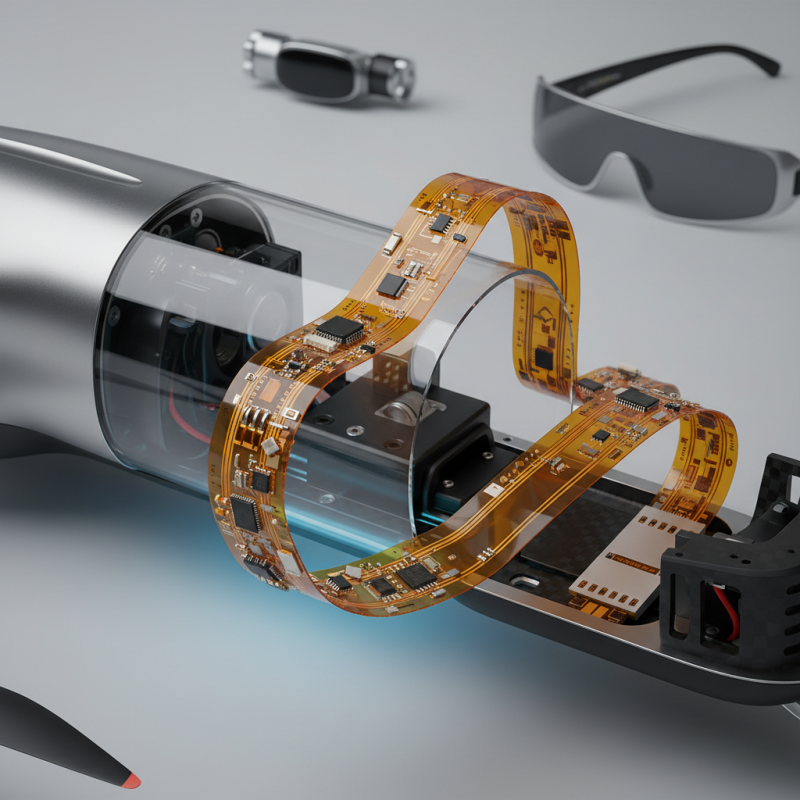
Flexible printed circuits (FPCs) represent an innovative advancement in electronic design. They offer unique flexibility, allowing for intricate layouts in limited spaces. The structure of flexible PCBs includes a thin substrate, typically polyimide or polyester. This substrate supports conductive traces made of copper. Multiple layers can be embedded into a single flexible structure.
According to a report from Market Research Future, the flexible PCB market is projected to grow at a CAGR of 10% through 2025. This growth highlights the increasing demand across industries like consumer electronics, medical devices, and automotive. These PCBs are not just flexible; they can also withstand harsh conditions. Their ability to conform to various shapes is crucial in compact devices.
However, the manufacturing process is not without its challenges. Creating flexible PCBs requires precision and advanced technology. Small errors can lead to failures in high-performance applications. Additionally, the cost of production can be higher compared to traditional rigid PCBs. These factors can discourage some manufacturers from fully embracing flexible technology. Yet, the benefits often outweigh the drawbacks, making flexible PCBs integral to modern electronics.
Key Advantages of Flexible PCBs Over Traditional Rigid PCBs
Flexible printed circuit boards (PCBs) are becoming essential in modern electronics. They offer several key advantages over traditional rigid PCBs. One primary benefit is their adaptability. Flexible PCBs can bend and fit into compact spaces, which is crucial for devices like smartphones and wearables. According to a recent market research report, the flexible PCB market is expected to grow at a compound annual growth rate (CAGR) of 10.8% from 2021 to 2026.
In addition to space-saving designs, flexible PCBs are lighter than rigid counterparts. This reduction in weight is significant for applications in aerospace and automotive industries. Lightness leads to improved energy efficiency. However, the manufacturing processes can be more complex, potentially leading to quality inconsistencies. Reports suggest that some manufacturers struggle to maintain high-quality standards when producing flexible PCBs.
Moreover, flexible PCBs tend to have superior thermal management properties. They can dissipate heat more effectively, which helps in enhancing the lifespan of electronic devices. However, this is not always guaranteed. Some materials used in flexible PCBs may degrade over time, posing reliability concerns. Balancing these benefits and challenges is vital for industry players to meet the rising demand for advanced electronic solutions.
Common Applications of Flexible PCBs in Modern Technology
Flexible printed circuit boards (PCBs) have become crucial in modern technology. These boards offer versatility and adaptability. They can bend and twist without losing functionality. This feature makes them ideal for compact electronic devices.
One common application of flexible PCBs is in smartphones. They help save space while connecting multiple components. This allows for thinner designs. Wearable devices, like smartwatches, also benefit from flexible PCBs. Their lightweight nature makes them perfect for portable gadgets.
Tips for using flexible PCBs: Always consider the environment where the PCB will be used. Extreme temperatures can affect performance. Ensure proper testing is conducted. Also, design for manufacturability. This can reduce costs in the long run.
Another area is medical devices. Flexible PCBs are used in imaging and diagnostic equipment. Their flexibility allows integration into small spaces. However, manufacturing these boards can be tricky. Quality control is essential to avoid failures.
Materials Used in the Manufacturing of Flexible PCBs
Flexible printed circuits, or flexible PCBs, are revolutionizing the electronics industry. They offer unique designs and are compact. The materials used are crucial to their performance. Commonly, polyimide films are employed. These films withstand high temperatures and offer excellent flexibility. They are an excellent choice for tightly packed circuitry.
Another important material is copper. It's often used as a conductive layer on these circuits. Copper's conductivity ensures reliable performance in various applications. Some manufacturers opt for silver or gold for specific high-performance requirements. These materials can enhance conductivity but may increase costs.
Adhesives play a significant role in flexible PCB construction as well. The bond between layers needs to be strong yet flexible. Thermoplastic and thermoset adhesives are common choices. However, selecting the right adhesive can sometimes be challenging. Compatibility with other materials is not always guaranteed. This can lead to issues during manufacturing or later usage. Exploring new materials and improving existing ones is an ongoing process in the industry.
Future Trends and Innovations in Flexible PCB Design and Production
The world of flexible printed circuits (PCBs) is evolving rapidly. Innovations are redefining how we design and produce these essential components. Many industries are adopting flexible PCBs due to their lightweight and adaptable nature. This adaptability allows for complex designs that were once impossible.
Emerging technologies push the boundaries of flexibility. 3D printing, for instance, integrates seamlessly with flexible PCBs. This method can create intricate structures and reduce production time. However, this approach demands rigorous quality control. Flexibility in design processes often leads to unexpected complications. The need for standardization is crucial to avoid costly errors.
Sustainability in flexible PCB production is another significant trend. Companies are exploring eco-friendly materials. This is a step towards reducing the environmental footprint. Yet, the transition is fraught with challenges. Balancing performance and sustainability is not straightforward. Each innovation brings its own potential drawbacks. The future of flexible PCBs is bright but requires careful navigation.