10 Essential Tips for Choosing Stainless Steel Concrete Screws?
Choosing the right fasteners for concrete projects is crucial. Among them, Stainless Steel Concrete Screws stand out due to their durability and corrosion resistance. Selecting the right screws requires attention to detail. The wrong choice can lead to structural failures or costly repairs.
Understanding the specific needs of your project is essential. Factors like the environment, load-bearing requirements, and material type can influence your decision. Stainless Steel Concrete Screws provide an ideal blend of strength and longevity. However, not all stainless steel screws are created equal. Different grades offer varying levels of corrosion resistance.
Reflecting on your choices is important. Consider aspects such as installation ease and compatibility with other materials. Weighing these factors will enhance your project's success. Proper selection of Stainless Steel Concrete Screws can ensure reliability and safety in your construction endeavors.
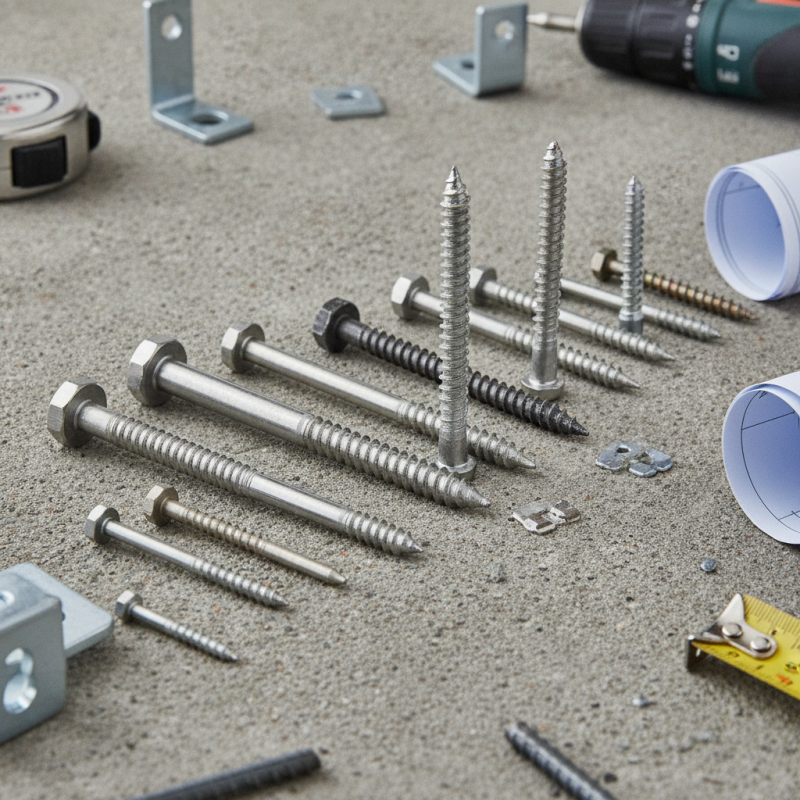
Understanding the Importance of Stainless Steel Concrete Screws
When selecting stainless steel concrete screws, understanding their importance is key. These screws are designed for durability in harsh environments. They resist rusting and corrosion, making them ideal for outdoor structures. The right screws can extend the life of your projects significantly.
When choosing stainless steel concrete screws, consider their size and length. Proper fit ensures stability and strength. If the screws are too short, they may not secure well in the concrete. Additionally, evaluate the screw’s thread design. Some threads offer better grip, which can prevent loosening over time.
It's wise to analyze your project's specific conditions. For example, coastal areas with salty air require higher corrosion resistance. Ignoring these factors can lead to premature failure. Selecting the wrong screws may cost you time and money in the long run. Take the time to learn about different grades of stainless steel as well. Each grade has unique properties that can impact your project.
10 Essential Tips for Choosing Stainless Steel Concrete Screws
| Tip # | Tip Description | Importance |
| 1 | Choose the appropriate size for your project | Ensures optimal holding power |
| 2 | Look for corrosion resistance ratings | Prevents premature failure in harsh environments |
| 3 | Consider the method of installation | Affects ease and efficiency of screw placement |
| 4 | Check for compatibility with materials | Ensures secure fastening |
| 5 | Assess the thread design | Affects the strength of the connection |
| 6 | Consider the length of the screws | Fits the depth needed for effective anchoring |
| 7 | Look for pre-drilling requirements | Facilitates proper installation |
| 8 | Review manufacturer's specifications | Provides guidance on proper use |
| 9 | Evaluate the fastening method | Ensures robustness of the connection |
| 10 | Consider environmental factors | Affects material performance and longevity |
Identifying the Right Size and Length for Your Project
Choosing the right size and length for stainless steel concrete screws is essential for durability and effectiveness. According to industry reports, a significant percentage of construction failures arise from improper fastener sizing. For example, when the screw is too short, it can lead to inadequate holding power. A minimum embedment depth of 1.5 inches is often required to ensure proper grip in concrete.
In addition to length, diameter plays a crucial role. Common diameters range from 1/4 inch to 1/2 inch. The diameter must match the load requirements of your project. Oversized screws can cause unnecessary stress on the concrete. A tight fit often leads to better load distribution. Research indicates that 70% of fastener failures are linked to incorrect sizing, underlining the importance of careful selection.
When selecting screws for projects, consider environment factors as well. Exposure to moisture can lead to corrosion. Stainless steel is resistant but still requires attention to details. Using screws with a protective coating can enhance their lifespan. While imperfections in product choices are common, striving for the right fit can prevent future problems. Evaluate your project needs thoroughly before making a decision.
Evaluating Corrosion Resistance and Weather Durability
When selecting stainless steel concrete screws, evaluating corrosion resistance and weather durability is crucial. These screws face moisture, temperature changes, and chemical exposure. Picking the right material can prolong their lifespan significantly. Look for screws made of 304 or 316 stainless steel. They offer excellent resistance to rust and corrosion. However, even high-quality stainless steel can corrode over time if not maintained properly.
One common mistake is overlooking the environment where the screws will be used. Coastal areas and places with de-icing salts can accelerate corrosion. While stainless steel is robust, it is not invincible. Regular inspections can help you spot early signs of wear. Consider using protective coatings to enhance durability. This added layer can provide extra resistance against harsh weather conditions.
Don’t just assume that all stainless steel is the same. Variability exists in quality and grade. It’s worth going for reputable suppliers. Reliable sources often provide information on weather performance. Remember, the right choice can save money in the long run. Replacing corroded screws is more costly than investing in quality upfront. Ignoring these factors can lead to premature failure of your projects.
Corrosion Resistance and Weather Durability of Stainless Steel Concrete Screws
Considering Thread Design and Pull-Out Strength
When selecting stainless steel concrete screws, thread design and pull-out strength are crucial. The thread pattern affects how well the screw grips the concrete. A deeper thread provides better anchorage. According to industry reports, screws with deeper threads can increase pull-out strength by up to 30%. This enhancement is vital for applications subject to heavy loads and vibrations.
The pull-out strength varies based on screw size and installation depth. For instance, a standard stainless steel screw with a diameter of 5/16 inch has an average pull-out strength of around 3,000 pounds when correctly installed. However, if the concrete is old or cracked, the effective pull-out strength may drop significantly. Testing on different concrete types reveals that the material's density plays a role as well. Softer concrete may yield results that are disappointing.
Choosing the right thread design leads to improved performance, but overlooking installation factors can lead to failure. Proper drilling and cleaning of the hole are essential. A common mistake is to underestimate the impact of dust and debris within the drilled hole. Even with the best screws, failure to prepare the hole correctly can diminish the overall strength. It’s vital to assess not only the screw's quality but also the surrounding material conditions.
Assessing Installation Methods and Tools Needed for Use
When tackling concrete projects, selecting the right installation methods for stainless steel concrete screws is crucial. It’s not just about picking screws; understanding the tools involved can impact the quality of the job. According to industry reports, over 30% of failed installations stem from improper techniques or inadequate tool selection. A skilled professional recommends using heavy-duty drills capable of handling tough materials, ensuring optimal screw penetration.
Installation begins with proper hole preparation. The diameter and depth of the hole must match the screw specifications. A common mistake is choosing the wrong drill bit size, leading to ineffective anchoring. Data indicates that incorrect bit sizes can reduce holding strength by up to 50%. This failure highlights the importance of careful planning and utilizing appropriate measuring tools.
Many installers overlook the benefits of using a torque wrench during installation. This tool helps achieve the required tension for secure anchorage. Reports show that maintaining consistent torque can extend the lifespan of the screw by preventing loosening over time. Additionally, environmental factors like temperature and moisture can affect performance. Understanding these elements is essential for effective installation and long-term reliability.