How to Use Enameled Aluminum Magnet Wire Effectively?
In the world of electrical engineering, understanding how to use Enameled Aluminum Magnet Wire effectively is crucial. According to Dr. Marcus Reed, a leading expert in magnetics, "The right application of Enameled Aluminum Magnet Wire can significantly enhance performance." His words resonate in many manufacturing sectors that depend on this material.
Enameled Aluminum Magnet Wire is known for its lightweight properties and cost-effectiveness. It has a wide range of applications, from electric motors to transformers. However, its effectiveness lies in the way it is utilized. In some cases, users might overlook proper winding techniques, leading to inefficiencies. Overheating is a common concern.
It is essential to acknowledge the challenges involved. The insulation coating of the wire can be thin, requiring care during handling. Users may find themselves frustrated if they do not consider these factors. Adopting best practices ensures the wire is not just used but maximized in efficiency. Hence, diving deeper into proper utilization is key to success in various electrical applications.
Understanding Enameled Aluminum Magnet Wire: Properties and Applications
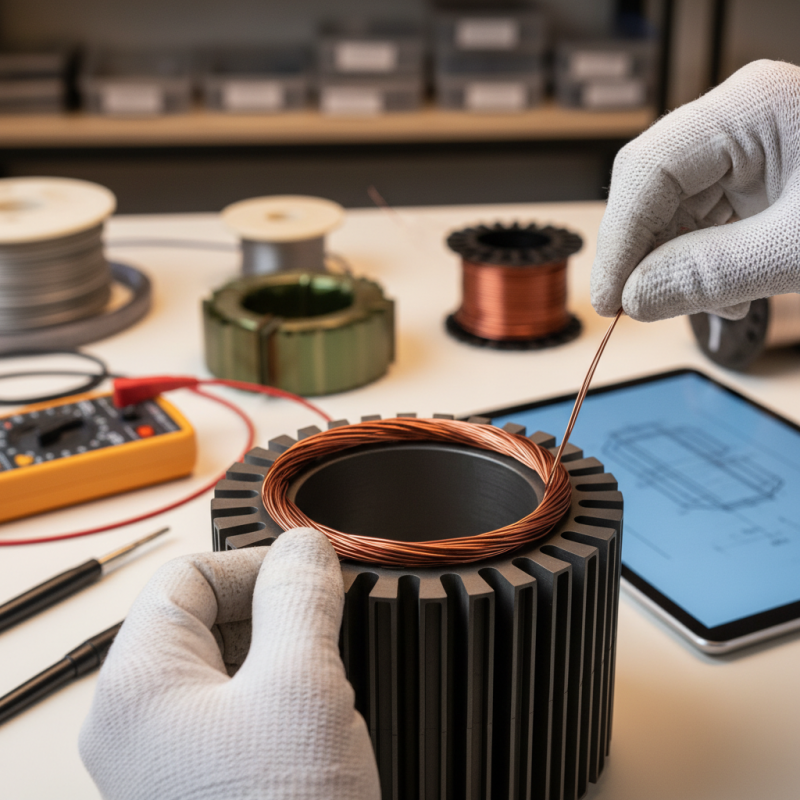
Enameled aluminum magnet wire is unique. Its light weight and good conductivity make it popular. This type of wire is often used in electric motors and transformers. The enamel coating provides insulation, preventing short circuits. However, working with it can be challenging due to its fragile nature.
In practical applications, proper handling is crucial. If the enamel coating is damaged, it may lead to failures in performance. When winding, ensure the wire does not kink. A kinked wire can lead to weak points in the circuit. Moreover, not all applications may suit aluminum wire. It may require adjustments in design compared to copper wire.
Testing is vital to understand its limits. Perform continuity checks regularly to avoid surprises. Pay attention to heat levels during operation. Excessive heat can indicate a problem. Reflecting on these aspects can lead to better and safer use. Consider the application and environment carefully; they play significant roles in performance.
Selecting the Right Gauge and Insulation for Your Project
When selecting the right gauge of enameled aluminum magnet wire, consider your project's specific needs. Thicker wire can carry more current. It also resists heat better. For most low-power applications, a thinner gauge is suitable. However, if you plan to build larger coils, opt for a thicker wire. Choosing the wrong gauge can impact performance and efficiency.
Insulation is another critical factor. It prevents short circuits and protects the wire. Common insulation types include polyurethane and polyester. Each type has its own thermal limits. Think about the environment where the wire will be used. If it's exposed to high heat, ensure the insulation can handle it. The wrong choice can lead to failure.
Sometimes, a project may demand a unique wire type not readily available. This can lead to frustrations. It’s essential to experiment and adjust as needed. You might find that what works in one scenario fails in another. Always test your setup before finalizing your design. The nuances of gauge and insulation can greatly affect your project’s success.
How to Use Enameled Aluminum Magnet Wire Effectively? - Selecting the Right Gauge and Insulation for Your Project
| Gauge (AWG) | Diameter (mm) | Current Capacity (A) | Insulation Type | Applications |
| 18 | 1.024 | 13 | Enamel | Transformers, Inductors |
| 20 | 0.812 | 10 | Polyester | Motors, Audio Speakers |
| 22 | 0.644 | 7.5 | Polyurethane | Coils, Electromagnets |
| 24 | 0.511 | 4.5 | Fiberglass | Windings, Sensors |
| 26 | 0.405 | 3 | Latex | Fine Electronics, Circuit Boards |
Techniques for Soldering and Connecting Enameled Aluminum Wire
Soldering and connecting enameled aluminum wire requires special techniques. Standard solder won’t stick to the enamel. Start by removing the enamel from the wire's ends. Use a small wire brush or sandpaper. This creates a better surface for soldering. Take care when stripping. Too much force can damage the wire.
After you prepare the wire, use a high-quality rosin-core solder. This helps create a stronger bond. Heat the wire and solder simultaneously. This ensures even melting. Be patient; rushing can lead to cold joints. Cold joints result in weak connections.
Connecting wire ends requires solid mechanical contact. Twist the wires together tightly before soldering. If you can’t heat the joint quickly enough, consider using a heat sink. This prevents wire damage from overheating. If you find that your connection fails, revisit the preparation process. It may need improvement. Each attempt is a chance to learn and refine your approach.
Best Practices for Winding and Coil Formation with Aluminum Magnet Wire
When working with enameled aluminum magnet wire, winding and coil formation are critical aspects that can influence overall performance. Begin with proper preparation. Ensure that your workspace is clean and organized. Use a spool holder for smooth unwinding. This simple step reduces friction and prevents wire damage during the winding process.
Choosing the right winding technique matters. Consider utilizing a hand drill or a coil winding machine for consistency. When you wind the wire, maintain a tension that’s neither too tight nor too loose. This can be tricky. Excessive tension can lead to breakage, while slack can result in loose coils. If you notice uneven spacing, don’t hesitate to unwind and try again. Attention to this detail is essential for efficient coil operation.
Lastly, be mindful of insulation integrity. Overheating during winding can damage the enamel. Regularly check the wire for signs of wear. Simple inspections can save you significant time and trouble later. Keep a practice log of your winding techniques to identify what works and what doesn’t. Through reflection, you can improve your process over time.
Common Mistakes to Avoid When Using Enameled Aluminum Wire
When using enameled aluminum magnet wire, several common mistakes can lead to problems. One frequent issue is improper stripping techniques. It's crucial to use the right tool. A sharp knife might be tempting, but it can damage the wire's coating. This leads to shorts or reduced conductivity. Instead, consider using a wire stripper designed for enameled wire. This small investment can save a lot of frustration.
Another mistake is ignoring the wire's thermal limits. Aluminum can handle heat differently than copper. Exceeding these limits can cause the wire to degrade over time. Always check for overheating during operation. If the wire feels excessively warm, it might indicate a problem. Pay attention to connections, too. Poorly made connections can lead to arcing or wire burn. Ensuring solid and secure connections is essential for longevity and performance.
Lastly, be mindful of insulation quality. Not all enamels are created equal. Some might wear off quickly or fail to provide adequate insulation. When purchasing wire, double-check the specifications. Otherwise, you may end up with unexpected failures. Learn from these issues. Mistakes often provide the best lessons in the long run.
Common Mistakes to Avoid When Using Enameled Aluminum Magnet Wire