What is a Damper Actuator and How Does It Work?
In modern HVAC systems, the Damper Actuator plays a crucial role. It is essential for regulating airflow in various environments. According to the latest market reports by Technavio, the damper actuator market is expected to grow by over 5% in the next five years. This growth relates to the increasing demand for energy-efficient solutions in climate control systems.
A Damper Actuator operates by adjusting the position of dampers. These components help maintain the required airflow, improving indoor air quality. Operating under various conditions, the actuator allows for precise control, which is vital in commercial settings. However, the technology is not without challenges. For example, improper calibration can lead to inefficiencies.
Moreover, maintenance is often overlooked. Many systems suffer from wear and tear that impacts their performance. Regular checks on the Damper Actuator can prevent significant issues. Understanding this technology is essential, but it also requires acknowledgment of its limitations. Balancing performance with reliability remains a focus for engineers and designers.
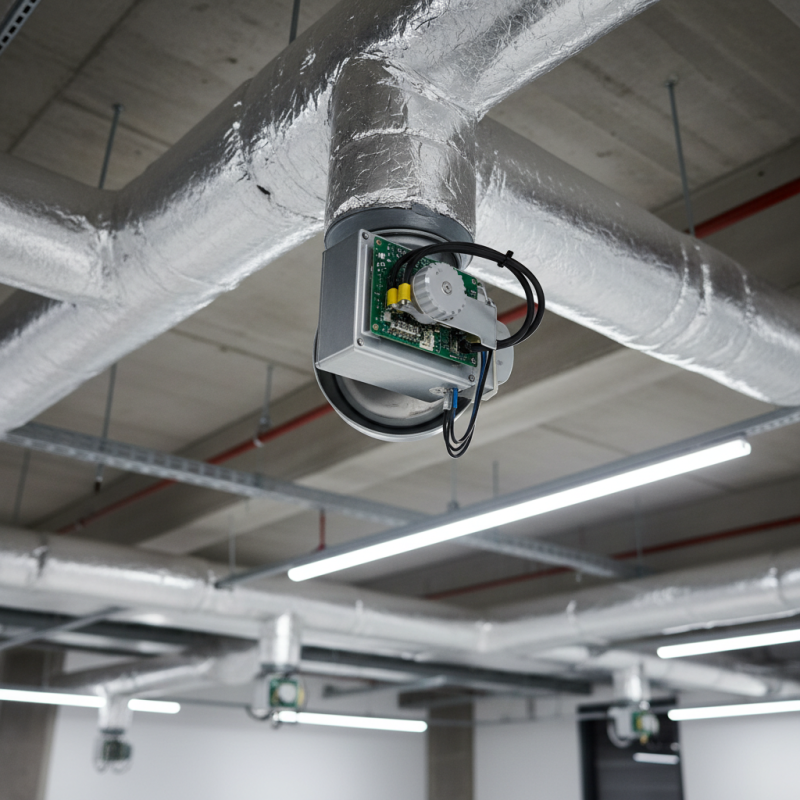
What is a Damper Actuator?
A damper actuator is a key component in HVAC systems. It controls the airflow by adjusting the position of dampers. This device ensures that indoor environments maintain comfort and efficiency. According to a report by MarketsandMarkets, the global damper actuator market is expected to grow significantly, reflecting the rising demand for energy-efficient HVAC solutions.
Typically, damper actuators operate using pneumatic or electric power. Pneumatic actuators rely on compressed air, while electric actuators use motors. Many industrial applications favor electric actuators due to their precision and reliability. Studies indicate that electric damper actuators can improve energy consumption by up to 30%. However, maintaining these systems can be challenging. If not regularly serviced, they may fail, causing inefficient airflow and energy wastage.
Installation poses another challenge. Incorrectly positioned actuators can lead to improper damper function. This can decrease system efficiency and increase energy costs. The industry continues to explore advanced technologies to enhance actuator performance. Innovations in design and control algorithms may provide better control. Nonetheless, understanding the limitations of current devices is crucial for future developments.
Types of Damper Actuators and Their Applications
Damper actuators are essential components in HVAC systems. They control the airflow by opening and closing dampers. There are various types of damper actuators, each designed for specific applications. Generally, these actuators can be classified as electric, pneumatic, or hydraulic.
Electric damper actuators are the most common. They provide precise control and are suitable for smaller systems. According to industry reports, nearly 50% of new HVAC installations use electric damper actuators. Pneumatic actuators, on the other hand, are often found in larger industrial applications. They utilize compressed air and are efficient for high-demand environments. In contrast, hydraulic actuators are less common but are powerful in specific high-load scenarios.
While the choice of actuator impacts system performance, challenges remain. One common issue is the compatibility of actuators with various damper types. Additionally, installation errors can lead to system inefficiencies. It's crucial for engineers to select the appropriate actuator for the intended application. Ultimately, understanding the nuances of each type can lead to better operational efficiency and energy savings.
How Damper Actuators Function in HVAC Systems
Damper actuators play a vital role in HVAC systems. They help regulate airflow throughout buildings. According to recent data, improper airflow can lead to energy losses of up to 30%. This inefficiency not only raises energy bills but also affects occupant comfort.
These actuators convert control signals into mechanical motion. They adjust dampers to open or close based on the temperature and airflow requirements. Typically, they are electric or pneumatic. Each type has its merits and drawbacks. For instance, electric actuators are often more precise, yet they may fail in extreme conditions.
In real-world applications, many HVAC systems underperform due to improper actuator sizing. Research shows that up to 40% of systems have mismatched components. This mismatching can lead to noise issues, fluctuating temperatures, and increased wear on equipment. Stakeholders often overlook these factors, leading to missed opportunities for efficiency. Regular maintenance and assessments can identify such issues, but they are frequently neglected. Addressing actuator issues can streamline airflow and enhance overall comfort, but it requires continuous effort.
Benefits of Using Damper Actuators for Energy Efficiency
Damper actuators play a critical role in enhancing energy efficiency in HVAC systems. By regulating airflow, they contribute significantly to optimal indoor climates. According to a report from the U.S. Department of Energy, properly applied damper actuators can lead to energy savings of 20% or more in commercial buildings. This is especially crucial as energy costs continue to rise.
The technology works by adjusting the position of dampers based on real-time data. This control allows for precise air distribution. However, not all installations are perfect. Inadequate calibration can lead to inefficiencies, wasting both energy and money. Regular maintenance is vital to prevent such issues. Data from industry studies indicate that even minor misalignments can reduce system efficiency by up to 15%.
Implementing damper actuators is not without challenges. Some systems may require retrofitting to accommodate new actuator designs. Furthermore, initial costs can be a barrier for some building owners. Despite these hurdles, the benefits of using damper actuators cannot be overlooked. They offer a pathway to reduced energy consumption and improved comfort levels.
Maintenance and Troubleshooting of Damper Actuators
Damper actuators play a crucial role in regulating airflow in HVAC systems. Regular maintenance is essential to ensure they function properly. Dust and debris can accumulate in the actuation mechanism. This buildup can lead to stiffness or even failure. Clean the actuator regularly to reduce this risk. Additionally, check for any signs of wear on the actuator gears and links.
Failing to lubricate the actuator may result in noisy operations. A squeaky damper is often an indication of internal friction. Use appropriate lubricant carefully to avoid overspray. Inspecting the electrical connections is also vital. Loose wires can cause the actuator to work intermittently. Regularly tightening these connections can prevent many unforeseen issues.
If the actuator fails completely, troubleshooting steps are necessary. Begin by testing the power supply. Sometimes, a blown fuse is to blame. If power is present, check the control signal. Ensure the actuator receives the correct input. Sometimes, it may require resetting the system. However, a persistent issue suggests deeper problems. Observing these details helps prolong the lifespan of damper actuators.
What is a Damper Actuator and How Does It Work? - Maintenance and Troubleshooting of Damper Actuators
| Dimension | Description | Functionality | Common Issues |
| Type | Electric, Pneumatic, or Hydraulic | Controls airflow in HVAC systems | Failure to open/close properly |
| Voltage Rating | 24V, 120V, or 240V | Operates based on applied voltage | Overvoltage or undervoltage issues |
| Torque Rating | Varies based on design | Determines the force exerted to move dampers | Insufficient torque leading to dampers not operating |
| Response Time | 1 to 5 seconds typically | Speed of dampers opening or closing | Slow response time due to mechanical wear |
| Maintenance Requirement | Regular inspections and lubrication | Ensures optimal performance and longevity | Excessive dust or debris accumulation |