What is a Coil Spring and How Does it Work in Machinery?
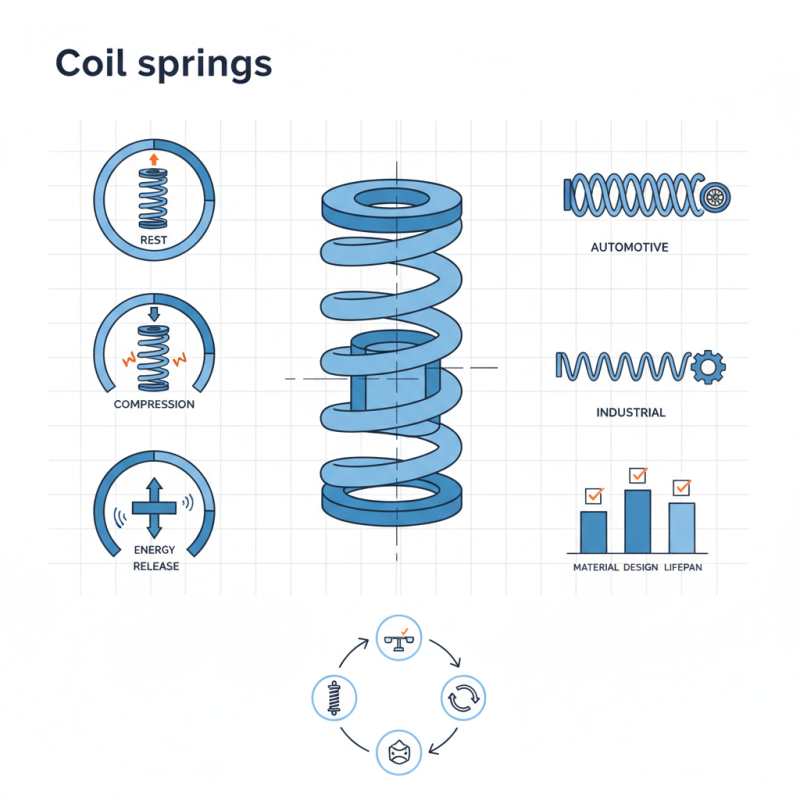
Coil Springs are essential components in various machinery systems. They provide flexibility and support in applications ranging from automotive to industrial equipment. Understanding how a coil spring works can enhance our appreciation of its role in motion and stability.
In simple terms, a coil spring stores energy when compressed or stretched. This unique property allows it to absorb shocks and return to its original shape. Many machines depend on this mechanism to function properly. However, not all coil springs are created equal. Their design and material impact performance significantly.
Exploring coil springs leads to deeper questions about efficiency. Are we using the right type for our specific needs? Have we considered their lifespan and maintenance? Reflecting on these aspects can reveal opportunities for improvement and innovation in machinery design.
What Are Coil Springs? Definition and Types Explained
Coil springs play a crucial role in numerous machinery applications. These components store energy and provide force when compressed or stretched. They are essential in automotive, aerospace, and industrial machinery. Their design allows them to absorb shock and maintain stability.
Coil springs vary in types, including compression, extension, and torsion springs. Compression springs are the most common, designed to resist axial loads. Extension springs, on the other hand, are used to resist stretching forces. Torsion springs store energy in a twist. Each type serves a unique purpose in machinery, emphasizing the versatility of coil springs.
Tip: When selecting a coil spring, consider the load requirements. The right spring design ensures durability and efficiency. The Global Coil Spring Market Report suggests a steady growth rate of 5% annually, underlining an increasing demand in various sectors.
However, not all coil springs are created equal. Factors like material choice can affect performance and longevity. Always evaluate the workload and environmental conditions. This careful consideration can prevent future issues.
Fundamental Mechanics: How Coil Springs Function in Machinery
Coil springs play a vital role in machinery by providing flexibility and resilience. They are designed to compress and expand under stress. When a force is applied, the coil stores energy, then releases it when the force is removed. This simple mechanism is fundamental in various mechanical applications, from automotive suspensions to industrial machinery.
Understanding the mechanics is crucial. The materials used in coil springs, like steel, influence their durability and performance. Proper design ensures the spring can handle the expected loads. Each application may require a different spring size and shape. As a result, experimenting with different configurations can yield better results.
**Tips:** Always check the load ratings of coil springs. Ensure they match your machinery requirements. Regular inspection can prevent failures, but achieving the right tension is often overlooked. Adjustments can make a significant difference.
What is a Coil Spring and How Does it Work in Machinery?
| Dimension | Value | Unit |
| Wire Diameter | 0.5 | mm |
| Coil Diameter | 30 | mm |
| Active Coils | 10 | coils |
| Spring Constant | 150 | N/m |
| Maximum Load | 500 | N |
| Material | Steel | - |
| Application | Automotive Suspension | - |
Applications of Coil Springs in Various Machinery Industries
Coil springs play a crucial role across various machinery industries. In automotive applications, for instance, they are vital for absorbing shocks and maintaining stability. According to a report by MarketsandMarkets, the global automotive coil spring market is projected to reach $3.5 billion by 2025. This reflects a growing demand for reliable suspension systems that enhance vehicle performance.
In industrial machinery, coil springs are essential components in equipment such as conveyor belts and hydraulic systems. They provide critical tension and support, ensuring smooth operation. The Manufacturing Institute notes that the machinery sector accounts for 35% of all coil spring consumption in the U.S. Proper selection and installation of these springs can significantly impact machinery efficiency and longevity.
However, not all coil springs are created equal. The choice of materials and designs can lead to varying performance outcomes. Some manufacturers may overlook the importance of proper calibration, resulting in premature failure. This highlights the need for rigorous testing and quality assurance processes in spring manufacturing. Understanding the precise requirements of each application can lead to better machinery performance and reduced maintenance costs.
Industry Standards: Coil Spring Specifications and Load Ratings
Coil springs are vital components in many types of machinery. They absorb and store energy while providing necessary resistance to forces. Understanding industry standards for coil spring specifications is essential for their effective application. These specifications include material types, dimensions, and load ratings.
When selecting a coil spring, it's crucial to consider load ratings. Load ratings indicate how much weight a spring can support without losing its functionality. A spring with a higher load rating can withstand greater stress. Proper load ratings prevent spring failure and enhance overall machinery performance.
Tip: Always verify the load rating before installation.
Moreover, material choices significantly affect coil spring performance. Common materials include steel and titanium, each offering unique properties. Steel springs provide strength and durability, while titanium springs are lighter and corrosion-resistant. However, selecting the wrong material may lead to premature wear.
Tip: Assess the working environment to choose the best material.
Remember, the size of the coil also influences performance. A larger diameter increases flexibility, while a smaller diameter offers stiffness. Balancing these factors is essential. Overly flexible springs may not support heavy loads effectively.
Tip: Experiment with spring sizes in a controlled setting for best results.
Maintenance Tips for Coil Springs to Ensure Optimal Performance
Maintaining coil springs is crucial for machinery efficiency. Regular inspection is necessary to identify signs of wear. According to a report by the International Federation of Robotics, poorly maintained springs can reduce equipment lifespan by up to 30%. Checking for rust and fatigue is essential. Corrosion can significantly weaken springs, leading to premature failure.
Lubrication is another key aspect. Using the right type of lubricant helps reduce friction. This can enhance performance and extend the life of the coil springs. Experts recommend lubricating springs at eight-month intervals, especially in harsh environments. Yet, over-lubrication can lead to buildup and attract dirt, which may lead to other issues.
The load capacity should be regularly assessed. A report from the Society of Manufacturing Engineers states that springs under too much stress can quickly lose their effectiveness. Adjusting load settings can prevent damage. It's worth noting that not every coil spring is suited for every application. Selecting the right spring type for specific machinery is equally important. Reflections on performance are necessary to avoid detrimental consequences.