How to Choose the Right Gate Valve for Your Project?
Choosing the right gate valve for your project is crucial in ensuring system efficiency and reliability. According to a recent industry report by MarketsandMarkets, the global gate valve market is expected to reach USD 20.5 billion by 2025, growing at a CAGR of 5.1%. This growth highlights the expanding applications of gate valves in various sectors, from water and wastewater management to oil and gas industries.
Gate valves are favored for their ability to provide a tight seal and minimal pressure drop. However, not all gate valves are created equal. Factors such as material selection, size, and pressure rating significantly impact performance. Selecting the wrong gate valve can lead to inefficiencies or even catastrophic failures. The importance of matching the valve to system requirements cannot be overstated.
It's critical to consider the project specifications carefully. Many designers overlook key variables that could affect long-term performance. Understanding these elements enhances your decision-making process. As industries evolve, the demand for reliable gate valves grows. Diligently assessing your needs will ensure the longevity of your project and optimize its output.

Understanding Gate Valves: Types and Functions
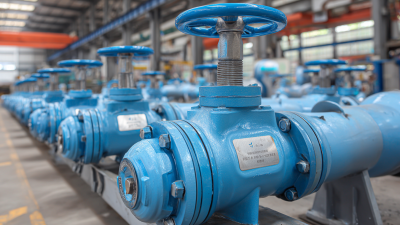
Gate valves are crucial in many industrial applications, serving as a control mechanism for fluid flow. Understanding their types and functions is key for effective project planning. Primarily, there are two types: rising stem and non-rising stem. Rising stem gate valves have an exposed stem that moves upward when opened. This design makes it easy to see whether the valve is open or closed. Non-rising stem variants, however, are ideal for areas with limited vertical space since the stem does not extend.
The function of a gate valve is simple yet vital. They are designed to either fully open or fully close, restricting flow completely or allowing it to pass through. Unlike other valve types, gate valves minimize pressure drops. It's essential to consider the medium, temperature, and pressure when selecting a gate valve. The wrong choice may lead to leaks or failures, causing setbacks in any project. Reflecting on your criteria will enhance your decision-making process for long-term success.
Choosing the Right Gate Valve: Types and Functions
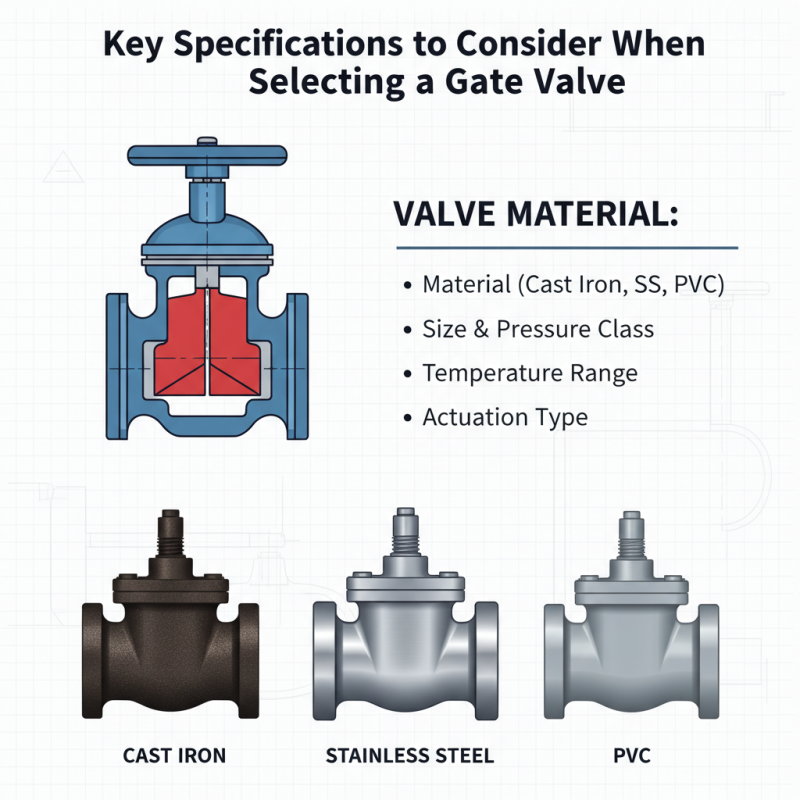
Key Specifications to Consider When Selecting a Gate Valve
Selecting the right gate valve for your project requires careful consideration of several key specifications. First, you should evaluate the valve's material. Depending on the project, materials like cast iron, stainless steel, or PVC might be more suitable. Each material has its strengths and weaknesses regarding corrosion resistance and temperature tolerance.
Another important aspect is the valve size. Ensure it matches the pipe diameter to avoid flow issues. Sometimes, a valve that is too small can cause pressure drops. A mismatch can lead to inefficiencies and increased costs. Pay attention to the pressure rating as well. High-pressure applications need valves designed to handle those conditions.
**Tips:** Always assess the expected temperature range. A valve should withstand extremes if your project involves fluctuating temperatures. Consider the actuating method too. Manual valves suit some tasks, while automated types may be better for efficiency.
Installation space is another point to ponder. Some projects might not have room for larger valves. An oversized valve complicates installation and could violate spacing regulations. It's essential to plan accordingly and allow for future maintenance access.
**Tips:** Don’t overlook the valve's end connections. They need to align with your piping system. This detail can minimize additional costs during installation and ensure a reliable setup. One small oversight can lead to significant delays in your project timeline.
Material Considerations for Gate Valve Durability and Performance
When selecting a gate valve for your project, material considerations are paramount. The right choice ensures both durability and performance. Common materials for gate valves include cast iron, stainless steel, and bronze. Each material has its strengths and weaknesses. For instance, stainless steel is known for its corrosion resistance but may not perform well in extreme temperatures. Reports from industry experts indicate that nearly 30% of valve failures are linked to material incompatibility.
Valve applications vary widely. For high-pressure systems, carbon steel is preferred due to its strength. In contrast, bronze offers excellent resistance to seawater corrosion. The American Society of Mechanical Engineers (ASME) emphasizes that using the correct material can enhance lifespans by up to 50%.
Tip: Always consult material compatibility charts specific to your fluid type. Material selection should reflect the operational environment. Conduct a detailed assessment of the pressure, temperature, and fluid characteristics. Some metrics may not align as expected, leading to unexpected failures. Be prepared to revisit your choices if performance issues arise.
Assessing Pressure and Temperature Ratings for Your Application
When selecting a gate valve, understanding pressure and temperature ratings is essential. These ratings impact your project's performance and safety. According to industry reports, gate valves typically operate effectively within a temperature range of -20°F to 800°F. However, your specific application might demand a precise rating outside these limits.
It's crucial to match the valve’s specifications with the system's operating conditions. If your project involves high-pressure systems, look for valves rated for at least 150 psi. For extreme conditions, some valves are engineered to withstand pressures exceeding 3000 psi. This data highlights the importance of consulting reputable sources during your selection process.
**Tip:** Always check the material compatibility of the valve with the fluids it will handle. Certain materials may fail under high temperatures or corrosive environments. Regularly reviewing your project requirements and testing valve performance can prevent costly mistakes.
Gaps in knowledge can arise when new materials enter the market, or when industry standards evolve. Keeping abreast of these changes is vital for making informed decisions. Effective communication with manufacturers can clarify any uncertainties regarding ratings or material properties. Your valve's performance hinges on these critical details; don’t overlook them.
How to Choose the Right Gate Valve for Your Project?
| Valve Type |
Pressure Rating (PSI) |
Temperature Rating (°F) |
Material |
Connection Type |
| Gate Valve A |
150 |
250 |
Cast Iron |
Flanged |
| Gate Valve B |
300 |
300 |
Stainless Steel |
Welded |
| Gate Valve C |
600 |
500 |
Carbon Steel |
Threaded |
| Gate Valve D |
150 |
200 |
Bronze |
Socket Weld |
| Gate Valve E |
900 |
600 |
Alloy Steel |
Flanged |
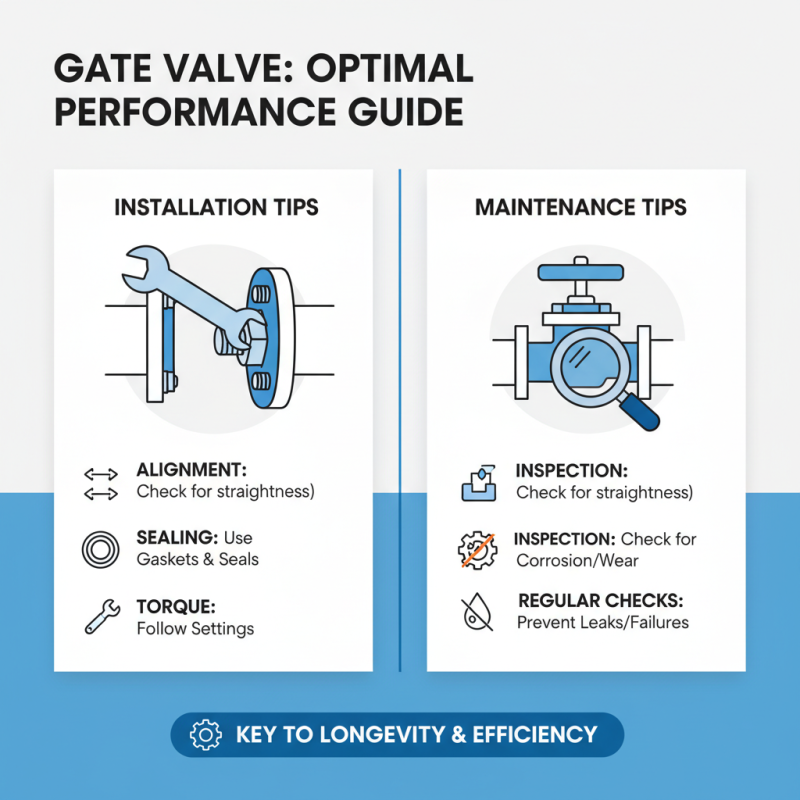
Installation and Maintenance Tips for Optimal Valve Performance
Proper installation and maintenance of gate valves are crucial for ensuring optimal performance. When installing, always check the valve's alignment. Misalignment can lead to wear and tear. Use gaskets and seals to prevent leaks. Pay close attention to torque settings when tightening bolts. Too much torque can damage components, while too little may lead to failures. Regularly inspect the valve for signs of corrosion or wear.
Routine maintenance involves cleaning and lubrication. Ensure that moving parts are free from debris. Use appropriate lubricants that can withstand high pressures. Regular checks can identify potential issues early. If the valve isn't operated for long periods, it might seize. Exercise the valve periodically to prevent this. Document all maintenance activities. This can help track any recurring problems. Lastly, always consult with a professional if difficulties arise. Ignoring small issues can lead to larger, costly failures down the line.