How to Choose the Right Electrical Breakers for Your Needs?
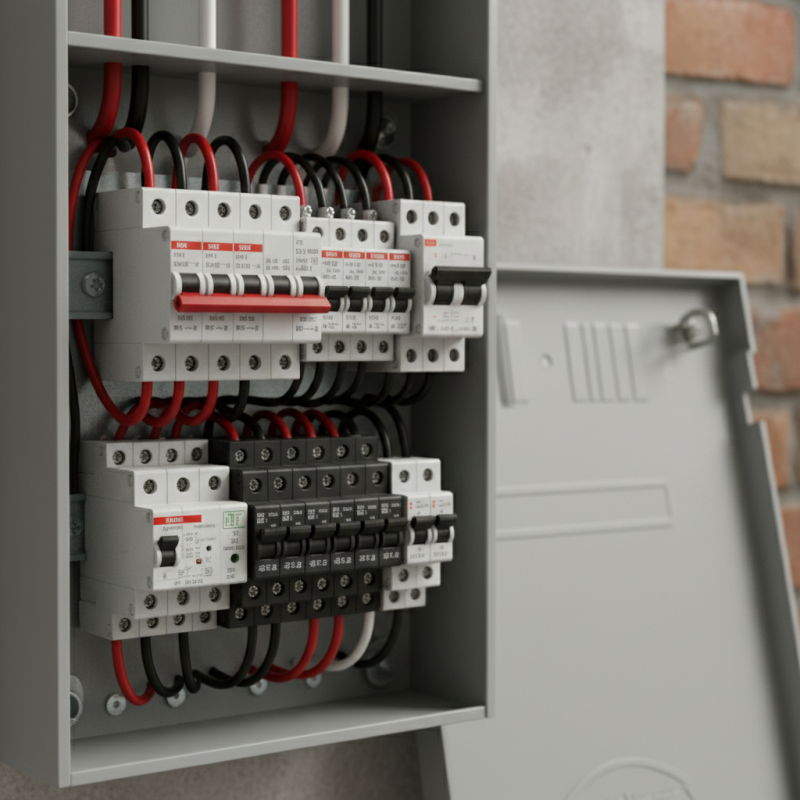
Choosing the right Electrical Breakers is crucial for any electrical system. They protect your circuits from overloads and short circuits. A suitable breaker ensures safety and longevity for your electrical appliances. The world of electrical breakers is vast. There are many types, each with unique features that cater to different needs.
You must consider the specific requirements of your home or business. Do you need a breaker for a high-demand appliance? Or is it for general circuits? Understanding your energy needs will help you make an informed decision.
While it may seem straightforward, mistakes can lead to safety issues. Picking the wrong electrical breaker can result in either frequent trips or inadequate protection. This reflective choice is essential for both safety and efficiency.
Understanding the Different Types of Electrical Breakers Available
When choosing electrical breakers, understanding the various types available is essential. Circuit breakers act as safety switches, protecting electrical circuits from overloads and short circuits. Common types include Standard Circuit Breakers, Ground Fault Circuit Interrupters (GFCIs), and Surge Protective Devices (SPDs). Each type serves a specific purpose in different environments, from homes to industrial settings.
Standard circuit breakers are designed for general use. They trip when the current exceeds the rated capacity, preventing potential damage to wiring and electrical appliances. GFCIs, on the other hand, are vital in areas with moisture, such as bathrooms and kitchens. They monitor the electrical current and shut off to prevent shocks. SPDs protect equipment from voltage spikes. Choosing the right type is necessary for safety and efficiency.
Understanding your specific needs will guide you in making an informed decision. Assess the environment where the breaker will be installed. Safety ratings and ampere capacity are crucial factors. Electricians often recommend consulting with a professional for guidance. However, there can be inconsistencies in their recommendations.
Balancing safety and functionality can lead to oversight. Reflecting on personal needs and the unique characteristics of your situation leads to smarter choices.
Evaluating Your Electrical Load Requirements for Proper Breaker Sizing
When considering your electrical load requirements, accuracy is crucial. Begin by adding up the wattage of all devices in your space. This includes lights, appliances, and electronics. For example, a refrigerator may consume 200-800 watts, while an air conditioner can range from 1,000 to 4,000 watts. Awareness of these values helps in planning.
Once you have the total wattage, divide that number by the voltage of your home, typically 120V or 240V. This calculation reveals the amperage required for your electrical system. Ensure that you account for peak demands. A sudden surge, like turning on multiple appliances, can create challenges. Some devices also require additional amperage during startup. Ignoring these factors could lead to tripped breakers or even electrical fires.
It's essential to select breakers that can handle this calculated load. Opting for breakers with a slightly higher capacity can provide peace of mind. However, avoid excessively oversized breakers. An oversized breaker may fail to provide proper protection for your wiring, leading to potential hazards. Balancing the load with an understanding of your specific needs is key to a safe electrical system.
Key Features to Consider When Selecting Electrical Breakers
When selecting electrical breakers, several key features should drive your decision-making process. One critical aspect is the breaker's amperage rating. This value must align with your circuit needs. The National Electrical Manufacturers Association (NEMA) states that overcurrent protection should match the calculated load requirements, which is vital for preventing equipment damage.
Voltage rating is another essential factor. Breakers need to handle the system voltage to function correctly and safely. Higher voltage ratings allow for broad compatibility. Research from the Institute of Electrical and Electronics Engineers (IEEE) indicates that improper voltage ratings significantly increase failure risks.
Tips: Always check for compatibility with your existing electrical systems. Consult an electrician to evaluate load calculations. Moreover, consider the trip curve of the breaker. A faster trip time may offer better protection against faults, while a slower trip might benefit high inrush loads.
Regular maintenance is necessary. Inspect breakers periodically for signs of wear or damage. According to a report by the Electrical Safety Foundation International (ESFI), regular checks can reduce circuit failures by a considerable margin. Keep in mind, the selection process can be complicated and sometimes lacks transparency in available options.
How to Choose the Right Electrical Breakers for Your Needs? - Key Features to Consider When Selecting Electrical Breakers
| Feature | Description | Importance |
| Amperage Rating | The maximum current a breaker can handle. | Essential for ensuring safety and preventing overload. |
| Type of Breaker | Includes standard, GFCI, and AFCI breakers. | Different types serve different safety purposes. |
| Voltage Rating | The maximum voltage the breaker can handle. | Crucial for compatibility with your electrical system. |
| Trip Curve | The speed and manner in which a breaker responds to overcurrent. | Important for protecting sensitive electronic equipment. |
| Mount Type | E.g., plug-on or bolt-on breakers. | Affects installation and compatibility with panels. |
| Environmental Rating | Design rating for different environments (e.g., indoor/outdoor). | Ensures durability and safety in specific conditions. |
Assessing Safety Ratings and Compliance Standards for Breakers
When selecting electrical breakers, safety ratings and compliance standards are crucial. These factors ensure that the breakers can handle electrical loads effectively and minimize risks. You should begin by checking the National Electrical Code (NEC) compliance. NEC outlines the safety requirements for electrical installations. Non-compliance can lead to dangerous situations.
Consider the breaker's interrupting rating. This rating indicates how much fault current a breaker can safely interrupt. Choosing a breaker with an inadequate rating poses a significant risk during overload situations. Opt for breakers with a higher interrupting rating for enhanced safety.
Tips: Always verify the laboratory certification on the breakers. Look for UL or ANSI labels. This verifies they meet safety standards. Regularly inspect breakers for wear and tear. This can prevent unexpected failures.
Don't overlook local regulations. These can differ from NEC standards. Familiarize yourself with local codes that might impose additional requirements. Reflect on your electrical needs and growth potential. Assessing this ensures your breaker choices will serve you well in the long run.
Tips for Installation and Maintenance of Electrical Breakers
When installing electrical breakers, it's crucial to ensure proper size and compatibility. Each breaker needs to match the electrical load it will protect. Common sizes include 15A, 20A, and 30A. Overloading a breaker can lead to frequent trips or failures. Always check the amperage requirements before installation.
Maintenance is essential for optimal performance. Regularly inspect the breakers for signs of wear and overheating. If a breaker frequently trips, it may indicate an underlying issue. Resetting the breaker repeatedly is not a solution; it often masks a more serious problem. Ensure all connections are tight, as loose wires can cause malfunctions.
Notice that even with the best practices, mistakes can happen. Sometimes, a wrong choice may lead to inefficiency. Consult professionals for complex systems to avoid hazards. A well-functioning electrical breaker can last years, but neglecting basic maintenance may shorten its lifespan. Stay alert, stay safe.
Electrical Breaker Types and Their Ratings