How to Choose the Right Cast Nylon Pipe for Your Needs?
Choosing the right Cast Nylon Pipe can feel overwhelming. With numerous options available, making an informed decision is crucial. You must consider factors such as application, environment, and budget. Cast Nylon Pipes are known for their durability and versatility, often used in industries like manufacturing and construction.
When selecting a Cast Nylon Pipe, it’s essential to assess the specific requirements of your project. Think about the pipe's mechanical properties, such as strength and abrasion resistance. Each application may demand unique qualities, and not all pipes are created equal. Additionally, surface finish and dimensions are vital factors that can affect performance.
Misconceptions about Cast Nylon Pipes can lead to poor choices. It's easy to overlook vital details, like compatibility with existing systems. Seeking professional advice can help clarify uncertainties. Ultimately, investing time and research is key to finding the right Cast Nylon Pipe for your needs.
Understanding the Basics of Cast Nylon Pipe Materials
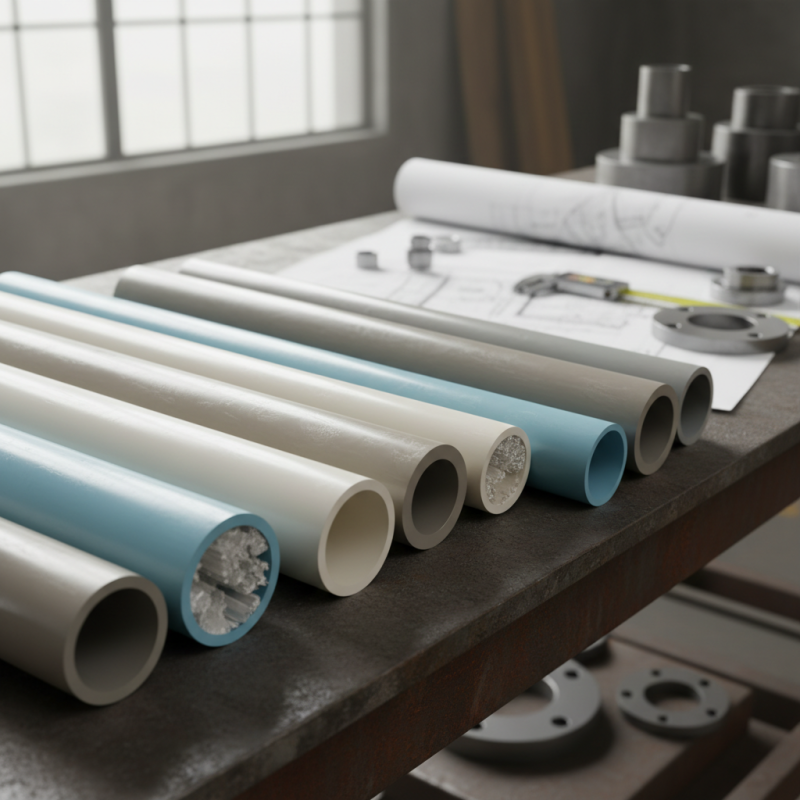
Understanding the basics of cast nylon pipe materials is crucial for effective selection. Cast nylon, also known as polyamide, offers excellent mechanical strength and durability. It is resistant to wear, chemicals, and impacts, making it a popular choice across various industries. However, the specific formulation can vary, leading to different properties.
When examining cast nylon, consider the density and additives used in its composition. Higher density pipes generally provide increased strength but may be less flexible. Some variants incorporate lubricants for reduced friction, which can enhance performance in specific applications. While these materials are reliable, they may not be suitable for every environment. Assessing factors like temperature fluctuations and exposure to solvents is essential.
Identifying the right pipe often involves trial and error. Testing various options under your operational conditions can reveal unexpected limitations. Some pipes may initially seem ideal but fail under stress. Understanding your own needs and the material's specifications can greatly influence your success. A combination of knowledge, testing, and reflection can lead to an informed choice in cast nylon pipes and ultimately improve your project's outcomes.
Key Factors to Consider When Selecting Cast Nylon Pipe
Choosing the right cast nylon pipe can be challenging. Several key factors influence your selection. First, consider the pipe's application. What environments will it encounter? Will it handle harsh chemicals or extreme temperatures? Understanding these conditions helps narrow your options.
Next, think about the required strength and durability. Cast nylon pipes vary in mechanical properties. Some are better for high-pressure situations. Choosing a pipe with the right tensile strength is crucial. Also, examine dimensions. A well-fitting pipe ensures efficiency in your system.
Lastly, consider the source. Not all suppliers offer the same quality. Research their reputation and customer feedback. This step is essential for reliable performance. You want a trustworthy product that performs as expected. A little extra time spent on research may prevent future issues. Evaluate all these factors carefully before making your final decision.
How to Choose the Right Cast Nylon Pipe for Your Needs?
| Property | Description | Importance |
| Chemical Resistance | Ability to withstand various chemicals without degrading. | High |
| Temperature Tolerance | Maximum and minimum temperatures the pipe can withstand. | Medium |
| Diameter | Internal and external diameter of the pipe. | High |
| Pressure Rating | Maximum pressure the pipe can safely handle. | High |
| Color | Visual identification and code compliance (if necessary). | Low |
| Flexural Strength | Resistance to bending and structural integrity. | Medium |
Assessing the Size and Dimensions for Your Application
When selecting cast nylon pipes, size and dimensions play crucial roles. Accurate sizing ensures proper fit and function. A recent industry report highlighted that 58% of equipment failures are linked to improper dimensions. It's essential to measure the internal and external diameters and wall thickness. For instance, a standard wall thickness of 0.75 inches can affect flow rates significantly.
Understanding the application is vital. Applications requiring high-pressure handling might need thicker walls, while lighter applications can use standard sizes. Additionally, the length of the pipe should match the system’s layout. Too long a pipe can lead to stress, while too short may cause leaks. An analysis showed that 30% of leaks occur due to improper sizing and installation.
In real-world installations, operators often overlook the importance of these factors. It’s common to rush through the measuring process. Each measurement mistake can lead to costly downtime and repairs. Therefore, proper planning cannot be underestimated. Always recheck dimensions against specifications. This careful approach ensures reliability in the long run.
Evaluating Chemical Resistance and Environmental Stability
When selecting cast nylon pipes, chemical resistance and environmental stability are vital factors. These pipes must withstand harsh chemicals and varying temperatures. Assessing how these materials interact with the substances they will carry is essential. Certain environments may deteriorate materials faster, impacting performance.
Tips: Always conduct a compatibility test with your specific chemicals. This helps identify any potential issues before installation.
Consider the operating conditions as well. High temperatures or fluctuating pressures can influence the longevity of the pipe. If the pipe won't be stable in your environment, it might lead to leaks or failures.
Weigh the pros and cons of your options. Not all cast nylon pipes are created equal. Pay attention to ratings and specifications to ensure reliability. Choose a supplier with a solid reputation in the industry to guarantee quality.
Comparing Cost and Performance of Different Cast Nylon Pipes
When choosing cast nylon pipes, cost and performance are key factors. Different types of cast nylon vary in their mechanical properties and durability. It is crucial to weigh the initial investment against long-term benefits. Some pipes may have a lower upfront cost but may fail faster. Others might have a higher price but offer longevity and reduced maintenance.
Considering performance, the load-bearing capacity, wear resistance, and temperature tolerance are vital. High-performance nylon pipes can handle extreme conditions. They tend to be more expensive. However, the durability they offer can lead to savings over time. Users should analyze their specific applications to find the best fit.
Inspecting the technical specifications helps make an informed choice. Not all cast nylon pipes are created equal. Some may appear attractive due to their price. Yet, they might not meet performance needs. Researching and comparing options is essential. Engage with experts in the field for additional insights if needed. This approach helps in making a balanced decision.