Top Tips for Choosing the Right Bellow Seal Valve?
Choosing the right Bellow Seal Valve can be challenging. The right valve is crucial for ensuring leak-free performance in various industrial applications. According to the Global Valve Market Report 2023, the demand for high-performance valves has significantly increased, especially in sectors like oil and gas. This highlights the importance of making informed decisions.
Bellow Seal Valves are known for their effective sealing capabilities and resistance to corrosion. However, not all Bellow Seal Valves are created equal. A recent study found that nearly 30% of valve failures stem from improper selection. It emphasizes the need for thorough research and expert consultation when choosing a valve.
Understanding specific application requirements is vital. Factors such as material compatibility, pressure ratings, and environmental conditions play a significant role. Mistakes in selection can lead to costly downtime and safety risks. Therefore, industry professionals suggest taking the time to assess each aspect carefully. This allows users to select the most reliable and efficient Bellow Seal Valve for their needs.
Understanding the Basics of Bellow Seal Valves
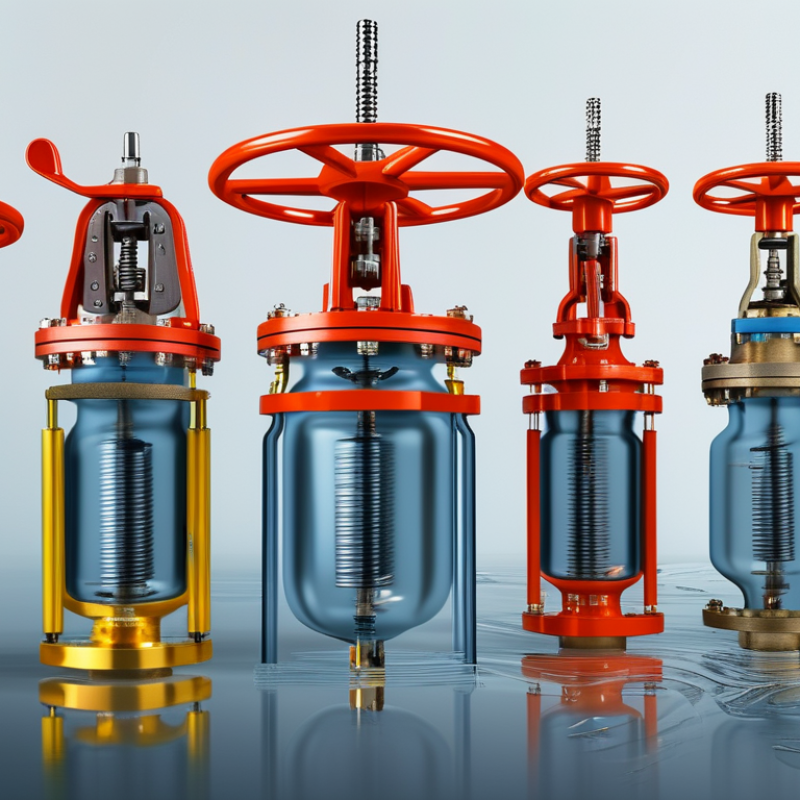
Bellow seal valves are essential components in various industries. They provide a reliable sealing solution that minimizes leakage and enhances safety. These valves use a bellows to create a tight seal, isolating the valve stem from the process fluid. This design prevents the emission of hazardous substances and reduces maintenance needs.
The market for bellow seal valves is growing. According to a report by MarketsandMarkets, the global bellow seal valve market is expected to reach USD 1.58 billion by 2024. Industries that benefit from these valves include oil and gas, chemicals, and pharmaceuticals. Their ability to withstand high temperatures and pressures adds to their attractiveness. Yet, not all applications may require a bellow seal valve. Assessing the specific needs of the system is vital.
Bellow seal valves require careful selection. Factors such as material compatibility and pressure ratings must be considered. A mismatch can lead to failures. Regular evaluations can ensure these valves perform optimally. However, many still overlook the importance of proper maintenance. This oversight can lead to increased operational costs and safety risks. Understanding these aspects is crucial for achieving effective performance in any system.
Key Factors Influencing the Selection of Bellow Seal Valves
When selecting a bellow seal valve, several key factors should be considered. The first is the application. Different industries have unique requirements, such as pressure, temperature, and fluid type. A deep understanding of these factors ensures optimal performance.
Another important aspect is the materials used in the valve. Common choices include stainless steel and brass. Each material has its advantages and disadvantages. It’s crucial to weigh these options based on your specific needs and environmental conditions. Make sure the valve can withstand operating conditions.
Installation and maintenance should also factor into your decision. A well-designed valve simplifies installation and reduces downtime. Proper maintenance enhances longevity, reducing overall costs. Regular checks can prevent unexpected failures. Look for designs that facilitate easy access to critical components.
Consider the manufacturer's reputation. Industry experience and engineering expertise play a significant role in product quality. A well-regarded manufacturer typically invests in research to improve their designs. This can lead to better reliability and performance over time.
Finally, the cost is always a consideration. Balance initial investment with long-term savings. Sometimes, higher upfront costs lead to greater savings down the line.
Material Choices for Effective Bellow Seal Valve Performance
Choosing the right material for a bellow seal valve is crucial for optimal performance. Materials must withstand pressure, temperature, and corrosive environments. Common choices include stainless steel, alloys, and various elastomers. Each material has unique properties affecting the valve's longevity and functionality. For instance, stainless steel offers excellent strength and corrosion resistance but may not perform well in extreme temperatures.
Elastomers, like PTFE or rubber, provide flexibility but can degrade when exposed to certain chemicals. This makes the selection process challenging. An incorrect choice can lead to leaks and system failures. A thorough understanding of the operating environment is vital. Testing materials under real conditions is recommended.
Design considerations also play a role. The thickness of the bellows and the configurations can affect strength and flexibility. When selecting the materials, consider the trade-offs. An ideal solution may not always be available. Each choice requires careful assessment of performance versus cost. A balance between efficiency and budget constraints is necessary for successful implementation.
Top Tips for Choosing the Right Bellow Seal Valve - Material Choices for Effective Bellow Seal Valve Performance
| Material |
Temperature Resistance (°C) |
Chemical Compatibility |
Applications |
Advantages |
| Stainless Steel |
-196 to 600 |
Good with most acids and bases |
Oil & gas, chemical processing |
Corrosion resistant, durable |
| PTFE |
-200 to 260 |
Excellent with aggressive chemicals |
Pharmaceutical, food and beverage |
Non-stick properties, high purity |
| Bronze |
-50 to 300 |
Good with seawater and some acids |
Marine applications, HVAC |
Good machinability, ductility |
| Carbon Steel |
-30 to 400 |
Limited with corrosive substances |
Power generation, water treatment |
Cost-effective, readily available |
| Nitrile Rubber |
-40 to 120 |
Good with oils and fuels |
Automotive, manufacturing |
Flexible, good sealing properties |
Evaluating Valve Design and Application Requirements
Selecting the correct bellow seal valve necessitates a careful assessment of its design and application requirements. Valve design greatly influences its performance. Consider the operating environment, pressure range, and fluid type. These factors dictate the material choices and sealing techniques needed. For instance, aggressive chemicals may require specific materials to prevent corrosion. The pressure rating must match the system's requirements. Choosing a valve that falls short could lead to leaks or failures.
Application requirements also play a critical role. Evaluate the installation space available. A compact design may be necessary if space is limited. Additionally, think about ease of maintenance. Some designs are easier to service than others. You might find yourself needing to replace seals frequently. Balancing these aspects can be challenging. It's essential to weigh the pros and cons of each option.
Consulting industry guidelines can provide more insights. Many resources detail various design strategies. However, every application is unique. What works in one scenario may not suit another. Stay informed about advancements in technology. Being aware of new materials and designs could enhance your decision-making. Do not overlook the importance of collaboration with experienced professionals. Engaging with specialists can lead to better choices.
Maintenance Considerations for Long-lasting Bellow Seal Valves
When selecting bellow seal valves, maintenance is crucial for ensuring their longevity. Regular inspections can help identify wear and tear. Look for any signs of leakage, as this can indicate potential issues. It's also wise to check the bellows for any signs of deterioration. These valve components must withstand high pressure and temperature. Neglecting these checks can lead to costly downtimes.
Engaging in routine maintenance enhances the valve's performance. Cleaning the seals and ensuring that there is no buildup of contaminants is important. Additionally, lubricating mechanical parts, if applicable, can significantly reduce friction. Aim to establish a maintenance schedule that aligns with the operational demands of your system. Consistency is key here.
Choosing the right bellow seal valves involves understanding their operational environment. High temperatures or corrosive substances may require specific materials. Evaluate the materials and design of the valve to ensure they match the intended application. Reflecting on past valve failures can guide future choices. Observing how different valves perform can provide valuable insights for better decisions.
Top Tips for Choosing the Right Bellow Seal Valve