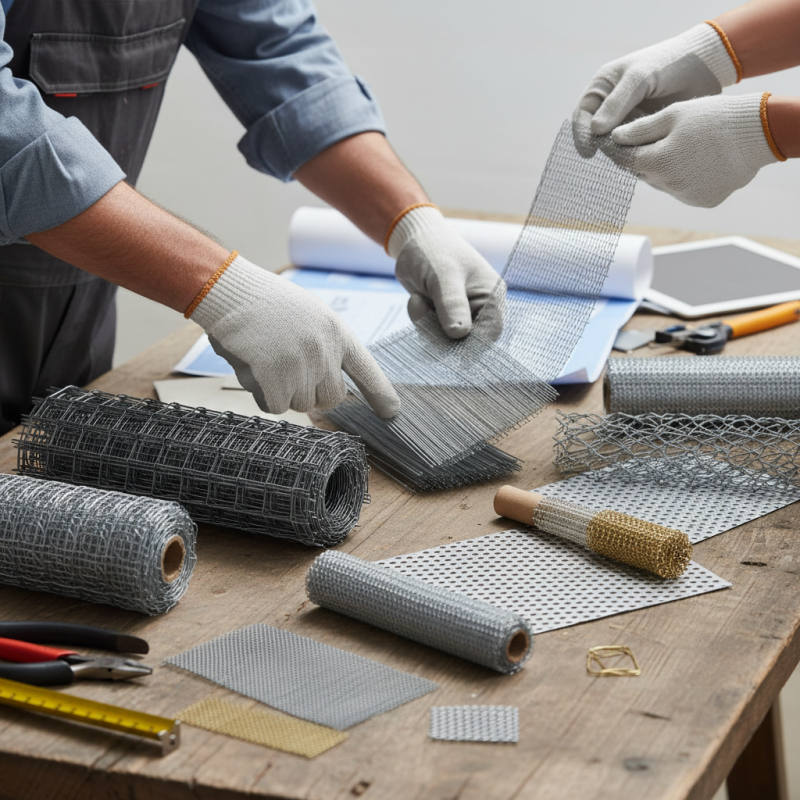
How to Choose the Best Wire Mesh for Your Needs?
When considering the right type of Wire Mesh for your project, the choices can be overwhelming. Expert John Smith, a veteran in the wire mesh industry, states, "Selecting the proper Wire Mesh is crucial for project success." This insight emphasizes the importance of making an informed decision.
Wire Mesh is used in various applications, from construction to gardening. However, choosing the wrong one can lead to inefficiencies. For instance, a heavy-duty mesh may not be suitable for a lightweight project, while a fine mesh might not provide the necessary durability in industrial settings.
Every choice comes with its challenges. The strength and flexibility of Wire Mesh must align with your specific needs. Reflecting on past experiences can help guide your current decision. Consider your project’s requirements and do thorough research to avoid costly mistakes. Ultimately, informed choices lead to better outcomes in the long run.
Understanding Different Types of Wire Mesh Materials
When selecting wire mesh, understanding the various materials is essential. Different types cater to specific applications. For instance, stainless steel mesh offers excellent corrosion resistance, making it ideal for outdoor use. Aluminum mesh is lightweight and easier to work with, but may lack durability in harsh conditions.
In contrast, fiberglass mesh is non-metallic and resistant to rust. It’s commonly used in construction and can withstand moisture. Each material has its pros and cons. For example, while stainless steel is strong, it may be overkill for simple gardening tasks. Consider what you need before committing to a type.
Remember to evaluate the environment in which the wire mesh will be used. Temperatures, exposure to chemicals, and mechanical stress are crucial factors. Reflect on these elements to find the right balance between durability and functionality.
Evaluating Wire Mesh Specifications for Your Project
When evaluating wire mesh specifications for your project, consider the material type. Common options include stainless steel, galvanized steel, and plastic. Each has unique benefits, like corrosion resistance or lightweight flexibility. Think about the environment where the mesh will be used. For example, outdoor applications may require materials that withstand weather conditions.
Next, pay attention to the mesh size and opening. The size affects both strength and application. Smaller openings offer better filtration, while larger openings provide strength and versatility. It's essential to visualize your project's needs and consider any specific requirements. Will you need the mesh to hold heavy loads or provide safety barriers?
Finally, don't overlook the mesh's wire diameter. Thicker wires increase strength but may reduce flexibility. Reflect on your project conditions. Maybe the mesh you assume is best doesn't meet certain needs. Research and consult experts when in doubt. It's crucial to make educated decisions to achieve successful outcomes.
How to Choose the Best Wire Mesh for Your Needs? - Evaluating Wire Mesh Specifications for Your Project
| Mesh Type | Material | Wire Diameter (mm) | Aperture Size (mm) | Roll Size (m) | Application |
| Welded Wire Mesh | Steel | 3.0 | 50 | 30 | Fencing, Security |
| Chain Link Fence | Galvanized Steel | 2.5 | 30 | 25 | Perimeter Fencing |
| Fiberglass Mesh | Fiberglass | 0.4 | 10 | 50 | Window Screens, Pest Control |
| Expanded Metal Mesh | Aluminum | 4.0 | 25 | 20 | Grills, Architectural Designs |
| Hexagonal Wire Mesh | Steel | 1.0 | 25 | 15 | Chicken Coops, Garden Fencing |
Assessing Wire Mesh Sturdiness and Durability Requirements
When selecting wire mesh, sturdiness and durability are vital factors. The right choice can impact the effectiveness of your project. Data from industry reports show that wire mesh made from high carbon steel tends to offer better strength and longevity. These materials provide excellent resistance to wear and tear, especially in high-stress environments. For instance, in agricultural settings, a mesh with a tensile strength of over 60,000 psi may be necessary.
The durability of wire mesh also depends on its coating. Galvanization, for example, significantly enhances rust resistance. Recent studies suggest that hot-dipped galvanized wire can last up to 50 years, if properly installed. However, not all applications require such robust features. In some minor projects, lighter gauge wire mesh may suffice. It’s important to reflect on the specific demands of your application before making a final decision.
Understanding the operational environment is another element to consider. Factors like exposure to chemicals or environmental stress can impact longevity. Mesh that performs well in one scenario may fail in another. Regular assessments of wire mesh can help identify early signs of wear. An informed choice can save time and resources, making it crucial to weigh each option carefully.
Wire Mesh Sturdiness and Durability Assessment
Identifying the Right Wire Diameter and Mesh Size
When selecting wire mesh, understanding wire diameter and mesh size is crucial. Wire diameter refers to the thickness of the wire used. A thicker wire results in a sturdier mesh, while a thinner wire offers flexibility. For projects needing strength, consider a larger diameter. This choice impacts durability and how well the mesh can withstand physical stresses. In areas prone to high winds or heavy impacts, robust wire diameters provide an edge.
Mesh size, the space between wires, also plays an essential role. Smaller openings offer better filtration and security, while larger openings may allow for better airflow or visibility. Determining the purpose of your mesh will guide your selection. For example, if you're fencing small animals, choose a finer mesh size. It might feel overwhelming to balance wire diameter and mesh size. Taking the time to assess your specific needs is vital to achieving the desired outcomes.
Reflect on your project requirements. Are aesthetics important, or is function your primary concern? Each decision impacts overall performance. Wire mesh should align with your long-term goals. Engaging with a professional can provide insights. This approach reduces the risk of making uninformed decisions. Recognize that trial and error is part of the process. The right mesh can significantly enhance your project’s success.
Considering Environmental Factors and Aesthetic Preferences
Choosing the right wire mesh involves understanding environmental factors and personal aesthetic preferences. Studies indicate that nearly 70% of buyers prioritize durability in relation to their environment. For example, if the mesh will be exposed to harsh weather, a stainless steel option might be best for resisting corrosion. Conversely, vinyl-coated wire mesh can offer vibrant colors and added visual appeal for indoor applications.
Aesthetic choices also play a critical role. Reports show that over 55% of consumers prefer customized designs over standard options. Incorporating various finishes, such as powder-coating, can enhance the visual impact of wire mesh. However, it’s essential to remember that these coatings may require maintenance and can degrade over time.
Reflecting on the material selection process is vital. The mesh’s performance in specific conditions must align with visual expectations. Balancing functionality and aesthetics ensures that the chosen wire mesh serves its purpose effectively while still complementing one’s design vision. Ignoring potential trade-offs can lead to unsatisfactory results.