How to Choose the Best Wall Box Charger?
Choosing the right Wall Box Charger can make electric vehicle ownership easier, faster, and safer. However, the most expensive model is not always the best choice. Your vehicle’s charging capacity, home electrical supply, parking location, and daily driving distance should guide the decision.
A practical evaluation starts with charging power. A 7.4 kW unit may suit many homes, while higher-powered chargers require stronger electrical infrastructure. Check your vehicle manual before purchasing. A qualified electrician should also inspect the circuit, cable size, grounding, and available load. These details are easy to overlook. They matter greatly.
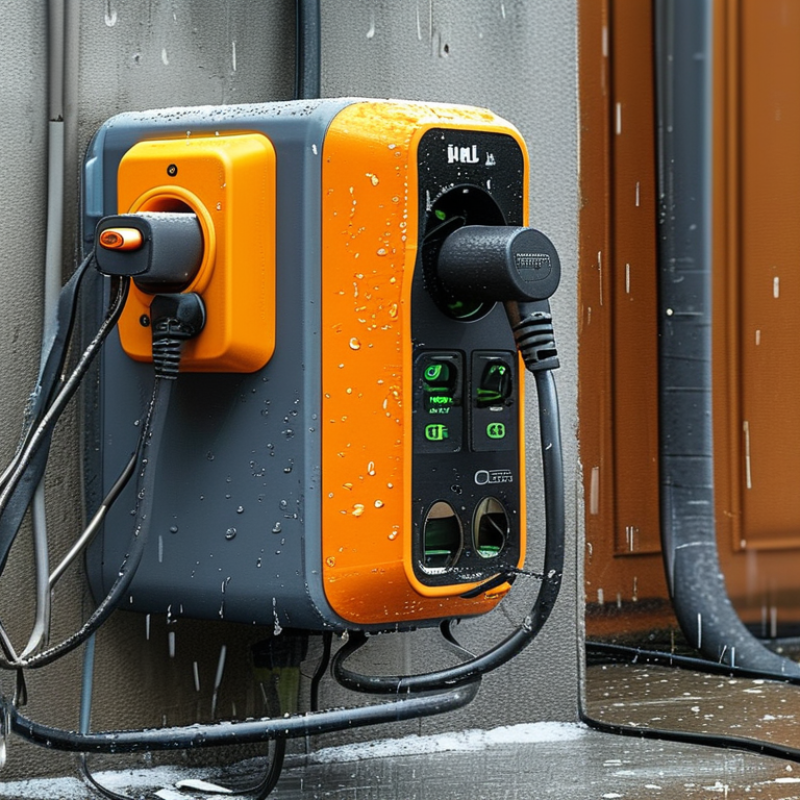
Weather protection deserves attention, especially for outdoor installations. Look for a suitable IP rating, durable materials, reliable temperature control, and clear safety certifications. Smart features can help you schedule charging during cheaper electricity periods, monitor energy use, and receive fault notifications. Yet, an attractive mobile app cannot compensate for poor hardware. That lesson is easy to forget.
Consider cable length, connector type, installation cost, warranty coverage, and after-sales support. A short cable may become frustrating when the parking position changes. A long cable can create clutter if it is stored carelessly. User reviews provide useful experience, but official technical data remains more dependable. No charger is perfect.
The best Wall Box Charger balances safety, compatibility, convenience, and long-term value. It should fit your real routine, not an imagined one. Before making a final decision, compare specifications carefully and ask an accredited installer for advice. Even experienced buyers can miss a small electrical detail. That is worth reconsidering.
Define Your Electric Vehicle’s Charging Requirements
Choosing the best wall box charger begins with your electric vehicle’s real charging requirements. The battery size, daily distance, and parking time matter more than the charger’s advertised maximum power. The International Energy Agency reported over 14 million electric cars were sold worldwide in 2023, increasing demand for practical home charging. More vehicles also mean more varied charging needs.
Measure your average weekday driving first. If you drive 50 kilometres daily, a 7.4 kW AC charger may restore that energy during several overnight hours. Larger batteries or longer commutes may justify an 11 kW unit, but only with compatible vehicle hardware and a suitable three-phase electrical supply. The U.S. Department of Energy identifies Level 2 charging as a common residential solution, although installation conditions differ widely. Check the vehicle’s onboard AC charging limit before paying for higher output.
Your home circuit must also support the charger safely. Ask a qualified electrician to inspect cable capacity, protective devices, earthing, and available load. Smart load management can reduce strain when heating, cooking, and charging happen together. The IEA’s Global EV Outlook 2024 notes that public charging infrastructure exceeded four million points globally, yet home charging remains important for convenient daily use. Weather, cable length, outdoor mounting, and access control deserve attention too. Some choices remain imperfect. A faster charger is not automatically better if the car cannot use its power or your home cannot deliver it.
Check Electrical Compatibility and Installation Conditions
How to Choose the Best Wall Box Charger?
Check Electrical Compatibility and Installation Conditions
Before choosing a wall box charger, inspect your home’s electrical supply. Check the voltage, phase type, and available current at the main panel. A charger may support high output, but your circuit might not. That mismatch can cause overheating or repeated breaker trips. It is easy to underestimate this point.
Ask a qualified electrician to calculate the property’s maximum load. The calculation should include heating, cooking appliances, air conditioning, and other large equipment. The charger needs its own correctly rated circuit in many installations. Confirm suitable cable size, grounding, circuit protection, and residual-current protection. Local electrical rules may also require inspection or approval. Do not rely only on the charger’s advertised power.
Installation conditions matter just as much. Measure the distance between the electrical panel and the parking space. Longer cable runs may increase cost and voltage drop. Outdoor locations need weather-resistant equipment and protected cable routing. Check the wall structure before drilling. Brick, concrete, and lightweight cladding require different fixing methods. Keep the cable away from standing water, sharp edges, and vehicle paths. A tidy installation can still hide a poor connection. Ask for testing records after installation, including polarity, insulation, grounding, and protective-device operation. I would also leave room in the panel for future changes. That small detail is often missed.
Evaluate Safety Features, Smart Functions, and Connectivity
Choosing the best wall box charger requires more than comparing charging speed. Safety should be checked before smart features. Look for residual current protection, over-temperature monitoring, surge protection, and automatic power reduction. A durable enclosure should resist dust, moisture, and accidental impact. The charger must also match your home’s electrical capacity. A qualified electrician can verify the circuit, grounding, and breaker size before installation.
Safety comes first.
Smart functions should solve real problems, not create more menus. Useful controls include scheduled charging, energy usage reports, load balancing, and adjustable current limits. Load balancing can reduce strain when an oven or heat pump runs simultaneously. A clear screen or reliable indicator helps during nighttime use. However, estimated savings may not reflect every household’s tariff. I once trusted an app’s forecast too quickly. Actual results depended on driving habits and local electricity rates.
Connectivity deserves careful testing. Wi-Fi offers convenient remote control, but thick walls can weaken the signal. Bluetooth may work nearby, while Ethernet often provides steadier communication. Choose a charger with secure account protection, encrypted data transfer, and regular software updates. Local controls are valuable when the internet fails. Check whether charging still works during a router outage. Also review data permissions and recovery procedures. A polished interface is not proof of dependable engineering. Test the cable reach, app response, and fault alerts before making a final decision.
Assess Total Cost, Warranty, and Long-Term Value
How to Choose the Best Wall Box Charger?
The lowest purchase price rarely shows the full cost of a wall box charger. I learned this after comparing several home installations. A charger may need a longer cable, upgraded wiring, protective equipment, or professional installation. Ask for an itemized quotation before choosing. Include delivery, installation, maintenance, and possible electrical upgrades. A simple spreadsheet can expose surprising differences.
Read the warranty carefully, not just the advertised length. Check coverage for the charger, cable, connector, screen, and internal components. Confirm whether labor and replacement shipping are included. Some warranties exclude outdoor moisture, incorrect installation, or unauthorized repairs. Keep invoices and installation records. They may support a future claim. Read every line.
Long-term value depends on daily use, energy efficiency, repair access, and software support. A durable enclosure may matter more than decorative features. Choose equipment suitable for your climate and electrical system, then have a qualified electrician verify the installation. Local requirements can vary. My first cost estimate was too optimistic because I ignored standby consumption and cable replacement. That mistake changed how I compare chargers now. Reliability is difficult to measure from a product page, so examine independent testing, clear technical documents, and user reports describing several years of operation.