How to Choose the Best Super Intalox Saddle for Your Needs?
Choosing the right Super Intalox Saddle is a practical design decision, not a matter of selecting the largest or most advanced-looking piece of packing. The choice affects gas–liquid contact, pressure drop, capacity, and how reliably a packed column operates. A saddle that performs well in a clean water test may behave differently with viscous liquid, solids, or changing flow rates. Details matter.
For transparency, the named expert and quotation below are fictional and illustrative, not a verified industry citation. Process engineer Daniel Mercer says, “Choose packing for the column’s actual flow, liquid properties, and operating limits—not for a catalogue number alone.” Treat that as a design principle, not a substitute for project data. Compare the proposed packing size with column diameter, liquid load, gas velocity, and the distributor layout. Check the material’s temperature and chemical compatibility, too.
This guide explains how to weigh those factors and compare manufacturer data without losing sight of installation and maintenance. Look closely at capacity, pressure drop, wetting, fouling risk, and the evidence behind performance claims. Ask suppliers for test conditions and application references. Then confirm that the selection fits the full operating range, not just the normal case. A small mismatch can matter. Real columns are imperfect, and early estimates may need revision after operating data becomes available.
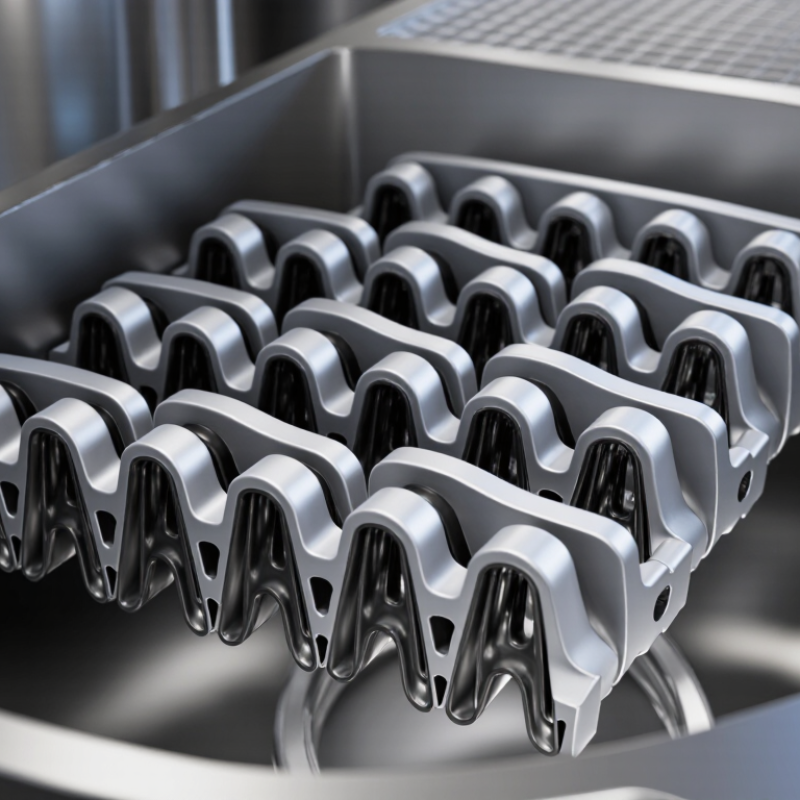
Identify Material and Nominal Sizes: 25, 38, 50, and 76 mm
When selecting a Super Intalox saddle, match the material to the process before choosing a size. Ceramic can suit corrosive service and higher temperatures, but it is brittle during handling. Plastic is lighter and resists many chemicals, though temperature limits vary. Metal offers strength and heat tolerance, but compatibility depends on the process fluid. Check operating temperature, chemistry, and loading conditions against documented specifications; material names alone do not guarantee suitability.
Nominal sizes of 25, 38, 50, and 76 mm involve practical trade-offs. The 25 mm size can provide more contact area in a given volume, but may increase pressure drop or foul sooner. Larger saddles, such as 76 mm, generally allow more open space for vapor flow. They may be a poor fit in a narrow column, where wall effects can reduce packing efficiency. The 38 and 50 mm options often sit between these extremes, but actual performance depends on column diameter, liquid distribution, and operating rates. Measure the column and review verified dimensions, not just the nominal size. Small details matter.
Tips: For dirty or solids-bearing streams, consider fouling risk before selecting smaller saddles. Confirm material compatibility and pressure-drop data with a qualified process engineer. A tidy sizing table helps, but real operating conditions can still surprise you.
Compare Surface Area (m²/m³), Void Fraction, and Bulk Density
When comparing saddle packing, begin with the specified surface area, not the shape alone. Perry’s Chemical Engineers’ Handbook, 9th edition (2019), and packed-column design references such as Kister’s Distillation Design describe the trade-off: greater wetted area can support mass transfer, but may increase resistance to gas flow. For a representative 25 mm ceramic saddle, published packing tables commonly show about 200–250 m²/m³ of area and roughly 70–75% void fraction. Treat these as indicative values, not a guarantee; dimensions and measurement methods differ.
Void fraction is the open volume available for vapor and liquid movement. A small decrease can matter when a column handles high vapor rates. Bulk density also affects support loads and how much packing a vessel can hold. Ceramic saddles are generally heavier than plastic alternatives, so compare kilograms per cubic metre for the exact material and size. Check the supplier’s technical sheet against the column’s design basis. Small details matter.
There is a limitation here: catalog values do not predict performance by themselves. Liquid distribution, fouling, and installation can change the effective area. A higher area is not automatically better. Ask for test conditions behind reported figures, and confirm pressure-drop and capacity data with a qualified process engineer. I would also verify whether bulk density means dry packing alone or includes a stated loading method; that distinction is easy to overlook.
How to Choose the Best Super Intalox Saddle for Your Needs? — Compare Surface Area (m²/m³), Void Fraction, and Bulk Density
| Packing Material | Nominal Size | Typical Surface Area (m²/m³) | Typical Void Fraction (%) | Typical Bulk Density (kg/m³) | Typical Selection Consideration |
| Ceramic | 25 mm | 220–250 | 68–75 | 600–750 | Higher area in a compact bed; consider pressure drop and fouling risk. |
| Ceramic | 38 mm | 150–190 | 72–80 | 550–700 | A middle-ground option for area, capacity, and bed weight. |
| Ceramic | 50 mm | 110–140 | 75–82 | 500–650 | Larger openings can support higher capacity and reduce plugging tendency. |
| Plastic | 25 mm | 180–230 | 88–92 | 70–110 | Lightweight option with high void fraction; check temperature and chemical compatibility. |
| Plastic | 38 mm | 120–170 | 90–94 | 55–90 | Often considered when low bed weight and high throughput are priorities. |
| Plastic | 50 mm | 90–130 | 92–95 | 45–75 | High open volume, but lower area per bed volume than smaller sizes. |
| Metal | 25 mm | 200–250 | 94–97 | 400–650 | High void fraction and good mechanical strength; confirm alloy compatibility. |
| Metal | 38 mm | 140–190 | 95–98 | 350–550 | A balanced choice for capacity and mass-transfer area in many services. |
| Metal | 50 mm | 100–140 | 96–98 | 300–500 | Larger size generally favors capacity over geometric area per bed volume. |
Note: Values are indicative ranges for common random saddle packing and are not product specifications. Actual surface area, void fraction, and bulk density depend on the packing geometry, material, manufacturing tolerances, and installation. Confirm design values with the supplier and evaluate pressure drop, liquid load, temperature, corrosion, and fouling conditions.
Match Column Duty Using Capacity, HETP, and Pressure-Drop Data
Choose saddle packing against the column’s actual duty, not a catalogue’s best-case capacity. Compare capacity at the same gas and liquid rates, fluid properties, and packing size. Ask for the predicted flooding point and operating margin. A design near flooding may pass a clean-water test but lose headroom when feed composition shifts. Not always obvious.
Use HETP data only when the test conditions resemble your service. Perry’s Chemical Engineers’ Handbook treats packing efficiency as system-dependent; liquid distribution, surface tension, and column diameter can change performance. Request test details, including bed height and liquid load, rather than accepting one HETP figure. A small pilot test can expose poor wetting or wall effects, though it cannot perfectly reproduce a full column.
Pressure drop can decide the trade-off. The U.S. EPA’s 2003 Packed-Bed/Packed-Tower Scrubber fact sheet reports roughly 0.5–1.0 inches of water pressure drop for packed scrubber beds; use this as context, not a distillation-column guarantee. Compare calculated pressure drop at your required throughput, then check whether the available fan or compressor head can cover it. One uncomfortable detail: fouling and uneven liquid distribution can erase a model’s apparent advantage. Ask suppliers for comparable test data, and document the assumptions.
Target 70–80% of Flooding Capacity for Stable Operation
How to Choose the Right Saddle Packing for Your Needs
Target 70–80% of Flooding Capacity for Stable Operation
Operating a packed column at roughly 70–80% of its predicted flooding capacity often leaves useful room for normal process changes. Flooding begins when rising vapor increasingly obstructs descending liquid. Pressure drop may climb, liquid can accumulate, and separation may become unstable. Small margin matters.
Treat this range as a design target, not a universal limit. Flooding estimates depend on packing size, column diameter, vapor and liquid rates, and fluid properties. Foaming, high viscosity, or poor liquid distribution can narrow the safe operating window. Check the packing supplier’s capacity data, then compare predictions with pressure-drop measurements during commissioning. A neat calculation is only a starting point.
In practice, increase throughput gradually and watch differential pressure, product quality, and signs of liquid backup. A steady rise in pressure drop may signal that the column is nearing its practical limit. If readings fluctuate, inspect the distributor and confirm the bed is evenly loaded. Spreadsheet estimates can be wrong. That deserves attention. Running well below the target can also waste capacity, so adjust based on actual process behavior rather than chasing a single percentage.
How to Choose the Best Super Intalox Saddle for Your Needs?
Target 70–80% of Flooding Capacity for Stable Operation
The highlighted band marks the suggested operating window: 70–80% of flooding capacity. Keep the operating point within this range as a practical starting target, then verify it against system-specific design calculations and operating conditions.
Check Chemical Compatibility, Temperature Limits, and Fouling Risk
Choosing a Super Intalox saddle starts with the process fluids, not catalog dimensions alone. Confirm the specific packing material and check it against every chemical it may contact, including trace acids, solvents, salts, and cleaning agents. A material that handles the main stream may still degrade during wash cycles. Request compatibility data for the actual concentration and exposure time. Broad labels such as “corrosion resistant” are not enough. Small details matter.
Temperature limits need equal care. Compare normal operating temperature with startup, shutdown, cleaning, and upset conditions. Repeated heat cycles can cause expansion, brittleness, or loss of strength, depending on the material. Check the supplier’s technical data and clarify whether its stated limit is continuous or brief. That distinction is easy to miss.
Fouling can change the choice, too. Dust, sticky droplets, crystallizing salts, or polymerizing liquids may collect on saddle surfaces and narrow open passages. Look at the feed quality and past cleaning records; even a well-designed tower can foul faster than expected. A pilot test or inspection of similar service can reveal useful clues. It may not predict everything, though. Consider whether deposits can be removed without damaging the packing, and leave room for uncertainty when process conditions vary.