How to Choose the Best Safety Vest for Your Needs?
Choosing the right Safety Vest is crucial for workplace safety. According to the Bureau of Labor Statistics, more than 1,000 fatalities occur each year in the construction industry alone. Many of these incidents could be prevented with the proper safety gear. High-visibility clothing, like Safety Vests, plays a key role in protecting workers on job sites.
When selecting a Safety Vest, consider the specific work environment. Different situations require different visibility standards, materials, and features. Reports show that vests with reflective strips significantly enhance visibility in low-light conditions. Furthermore, the right vest can improve comfort, allowing workers to perform their tasks efficiently.
However, there are challenges in determining the best option. The vast array of styles and certifications can be overwhelming. It’s essential to evaluate factors such as fit, durability, and compliance with safety regulations. Investing in a quality Safety Vest not only safeguards lives but also illustrates a commitment to workplace safety. As industries evolve, so too should our approaches to effective safety gear selection.
Understanding the Different Types of Safety Vests Available
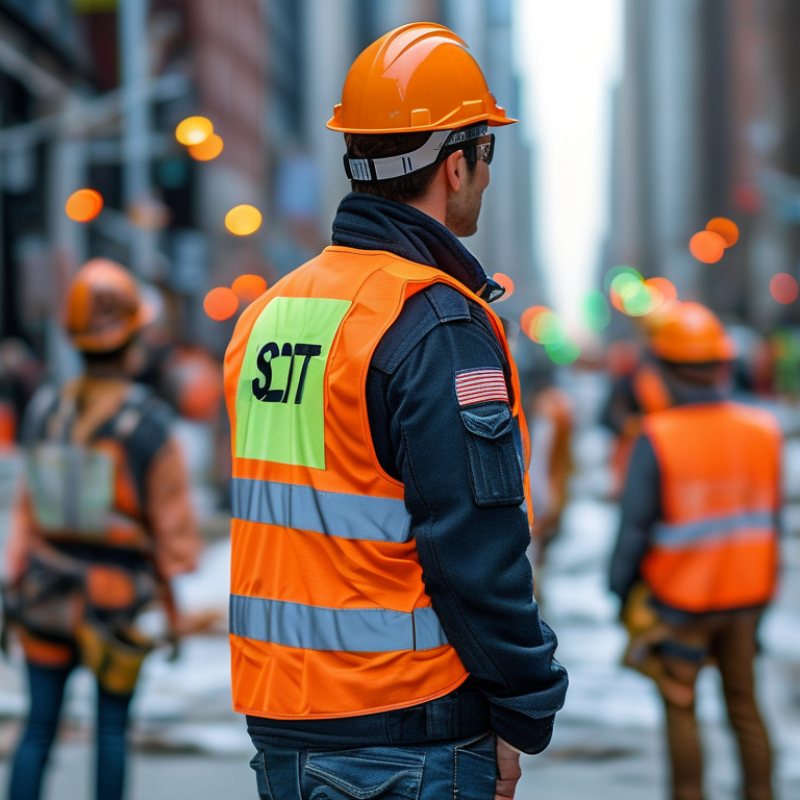
When choosing a safety vest, it's essential to know the types available. Each type serves a specific purpose. For example, high-visibility vests are crucial for roadwork and construction scenarios. They're often bright orange or yellow, making workers easy to spot. This visibility can reduce accidents significantly.
Another type is the insulated vest. This is ideal for cold weather work. It keeps you warm while maintaining visibility. Many insulated vests also feature reflective strips, enhancing safety. You should consider your work environments to select the right one.
There are also specialized vests for different industries. Emergency responders may need vests with pockets for equipment. Some vests are designed for specific tasks like traffic control. Reflect on your needs carefully. A poor choice can lead to unnecessary risks. Always consider the environment you'll be in when selecting a vest.
Key Factors to Consider When Selecting a Safety Vest
When selecting a safety vest, visibility is crucial. Choose bright colors like neon yellow or orange. Reflective strips enhance visibility, especially in low light. A well-designed vest should stand out against various backgrounds. The right color can make a significant difference in safety.
Fit and comfort matter too. Safety vests come in various sizes and styles. Ensure a good fit to promote ease of movement. Consider adjustable features such as straps or elastic sides. A vest that is too loose may hinder mobility, while one that's too tight can restrict movement.
Think about additional features. Pockets are useful for carrying small tools or documents. Some vests offer breathable fabric for hot weather. Others include insulation for colder environments. Assess your work conditions and choose a vest that meets those needs. Remember, the right safety vest can enhance your protection while you work.
Evaluating the Material and Visibility of Safety Vests
When choosing safety vests, material and visibility play crucial roles. Experts suggest that high-visibility materials are essential for ensuring the wearer's safety in various environments. According to the Occupational Safety and Health Administration (OSHA), at least 40% of work-related accidents happen in low-light conditions. This highlights the need for effective visibility. Fabrics like polyester and nylon are common choices. They provide durability and comfort while allowing for brighter colors.
Reflective strips enhance visibility even further. A report by the American National Standards Institute (ANSI) states that reflective materials can increase visibility by 300% under low-light conditions. This can make a significant difference in preventing accidents. The placement of reflective strips is also vital. They should be positioned to maximize exposure in various lighting circumstances.
Material quality impacts not only visibility but also comfort and breathability. Workers may wear these vests for extended periods. Therefore, lightweight and moisture-wicking options are preferable. However, the balance between durability and comfort isn’t always easy to achieve. Users may overlook this aspect while prioritizing high visibility, leading to discomfort in long-term wear. Always consider actual use cases and feedback from experienced users.
Assessing the Fit and Comfort of Safety Vests for Your Needs
When selecting a safety vest, fit and comfort are critical factors. According to the American National Standards Institute (ANSI), a proper fit ensures that the vest does not hinder movement. This is particularly vital for workers in dynamic environments, like construction sites. A vest that fits well allows for ease of movement while maintaining high visibility during the day and night.
However, comfort is often overlooked. Many users report discomfort during extended wear, leading to reduced productivity. A study by the National Institute for Occupational Safety and Health (NIOSH) found that workers wearing poorly fitting vests experienced more fatigue. Features like adjustable straps, breathable materials, and proper sizing can significantly enhance comfort. Each worker's needs may vary, making it essential to try vests before committing to a purchase.
A common issue arises when vests are too loose or too tight. Too loose and they can snag on equipment. Too tight and they restrict motion. Evaluating different sizes and styles can help prevent those problems. Feedback from workers shows that smaller adjustments can make a difference in how individuals perceive their safety gear. Thus, prioritize fit and comfort for maximum usability and safety.
Exploring Additional Features and Customization Options for Vests
When selecting a safety vest, customization plays a key role in enhancing visibility and functionality. Look for options that allow for adjustable sizes, reflective strips, and pockets. These features improve comfort and practicality. For example, vests with extra pockets can hold tools and communication devices. This can be crucial on job sites where efficiency matters.
Color choices also matter. Bright colors increase visibility in various environments. However, consider the setting. For instance, a vibrant orange vest may be ideal for construction sites, while a green vest may blend in during certain outdoor activities. Reflective strips are important, but placement is equally essential. Strips that wrap around the torso or cross the back tend to enhance visibility from various angles.
Finally, while personalization is appealing, don't rush the process. Customizations can sometimes interfere with comfort or safety features. It's vital to strike a balance. Engage with professionals or peers to understand what works best. Their insights can help refine your choice. Remember, the right vest should support your safety needs without compromising on comfort or usability.