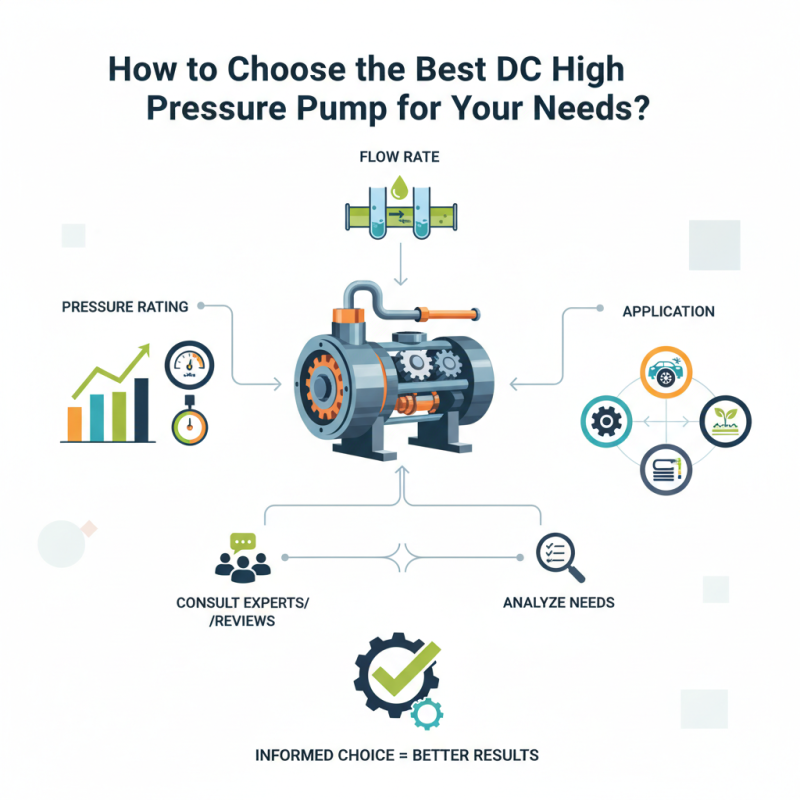
How to Choose the Best DC High Pressure Pump for Your Needs?
Choosing the right Dc High Pressure Pump is crucial for various applications. A quality pump can enhance efficiency and performance. However, the selection process can be overwhelming. Factors like pressure rating, flow rate, and application should be considered.
Many users often overlook the specific requirements of their tasks. For instance, the ideal pump for automotive work may differ significantly from one used in industrial settings. It's essential to analyze your needs carefully. A pump may look suitable, but critical details often determine its effectiveness.
Additionally, consult experts or user reviews. Experiences shared in forums or product reviews can provide insights. Relying on these sources can help prevent costly mistakes. In the world of DC high pressure pumps, informed choices lead to better long-term results. Always reflect on the implications of your choice.
Understanding the Basics of DC High Pressure Pumps
DC high pressure pumps are essential in various applications. They are widely used in cleaning, irrigation, and automotive industries. Understanding their basics can help in selecting the right pump for individual needs.
A DC high pressure pump operates on direct current, making it efficient and versatile. These pumps can generate significant pressure, often exceeding 100 PSI. Knowing the flow rate is crucial. It affects performance, especially in tasks like spraying or transferring fluids. For instance, a pump with low flow might struggle in large agricultural fields.
Another factor to consider is the pump's material. Different materials can affect durability and compatibility with various fluids. Plastic pumps are cost-effective but may not withstand harsh chemicals. On the other hand, metal pumps offer longevity but can be heavier. Balancing these aspects is vital. There’s no one-size-fits-all solution; each application may require different specifications.
Key Factors to Consider for Your Application Needs
Selecting the right DC high-pressure pump is crucial for various applications. The performance and reliability of these pumps significantly impact operational efficiency. According to the Hydraulic Institute, proper pump selection can improve energy efficiency by up to 30%. Understanding the specific needs of your application is essential for making an informed choice.
When considering a pump, assess factors like flow rate and pressure requirements. For instance, if your application demands a high flow rate, ensure the pump can deliver adequate performance without overloading. The material of the pump also matters. A report from the American Society of Mechanical Engineers highlights that corrosion-resistant materials enhance durability in harsh environments. This decision can drastically reduce maintenance costs over time.
Another important aspect is the power supply compatibility. A DC high-pressure pump must be compatible with your system's voltage and amperage. Mismatched specifications can lead to inefficiencies or equipment failure. However, the variety of options available often leads to confusion. It's vital to rely on reputable industry resources to navigate these complexities effectively.
Comparing Different Types of DC High Pressure Pumps
When selecting a DC high pressure pump, understanding the different types available is crucial. Most commonly, there are diaphragm pumps and gear pumps. Diaphragm pumps often excel in chemical resistance. They are ideal for corrosive liquids. On the other hand, gear pumps are known for their efficiency and compact size. These are widely used in applications with lighter fluids.
Consider your specific needs carefully. Diaphragm pumps may be unsuitable for high-flow scenarios. Gear pumps might struggle with thicker substances. Performance can vary greatly based on these factors. Look for versatility and adaptability in your choice.
While one type may seem superior, it often comes down to context. Each pump type has unique features, strengths, and weaknesses. Users sometimes overlook flow rate and pressure limits. It’s essential to calculate these requirements accurately. Performance in real-world conditions can differ from specifications. Be prepared to adjust your choice based on practical applications.
Evaluating Performance Specifications and Features
When selecting a DC high-pressure pump, understanding performance specifications is crucial. Look for key metrics, such as flow rate and pressure range. A pump might have a high maximum pressure but a low flow rate, which could affect efficiency. Assessing these specifications ensures the pump meets your specific requirements. Make a list of your operational needs, like desired pressure and application type. This helps filter options effectively.
Next, consider additional features that enhance usability. Some pumps include built-in protections against overheating or overpressure. These features can prevent costly damage. Noise levels are another aspect to keep in mind. A quieter pump can improve work environments. However, don't overlook ease of maintenance. A pump that’s challenging to service can lead to frustrations down the road.
Evaluating efficiency ratings is also essential. A more efficient pump can save energy costs. However, striking the right balance between efficiency and performance requires careful thought. You might find a pump with excellent specs but poor user reviews. Don’t ignore feedback from users when making a decision. Their experiences can provide valuable insights into longevity and reliability, aspects you want in your investment.
Performance Specifications of DC High Pressure Pumps
Maintenance Tips for Ensuring Longevity and Efficiency
Maintaining a DC high-pressure pump is crucial for its longevity and efficiency. Regular maintenance can prevent common issues such as wear and tear. According to a report by the Hydraulic Institute, proper maintenance can increase pump lifespan by up to 30%. This means more reliable service and fewer costly repairs.
Cleanliness is vital. Regularly check for blockages in the intake and discharge lines. Clogged filters can lead to decreased performance. Aim for a clean environment for your pump. Use suitable lubricants based on manufacturer specifications. Insufficient lubrication can lead to overheating, reducing efficiency.
Monitoring performance is essential. Keep track of pressure readings and flow rates regularly. Deviations from normal operating ranges might indicate issues. For example, a drop in pressure can suggest wear in seals or impellers. Addressing such problems early can save significant time and money. Always consider the pump's operational environment. Operating under extreme conditions can impact its durability.