Top Tips for Choosing the Right Fabric Geotextile?
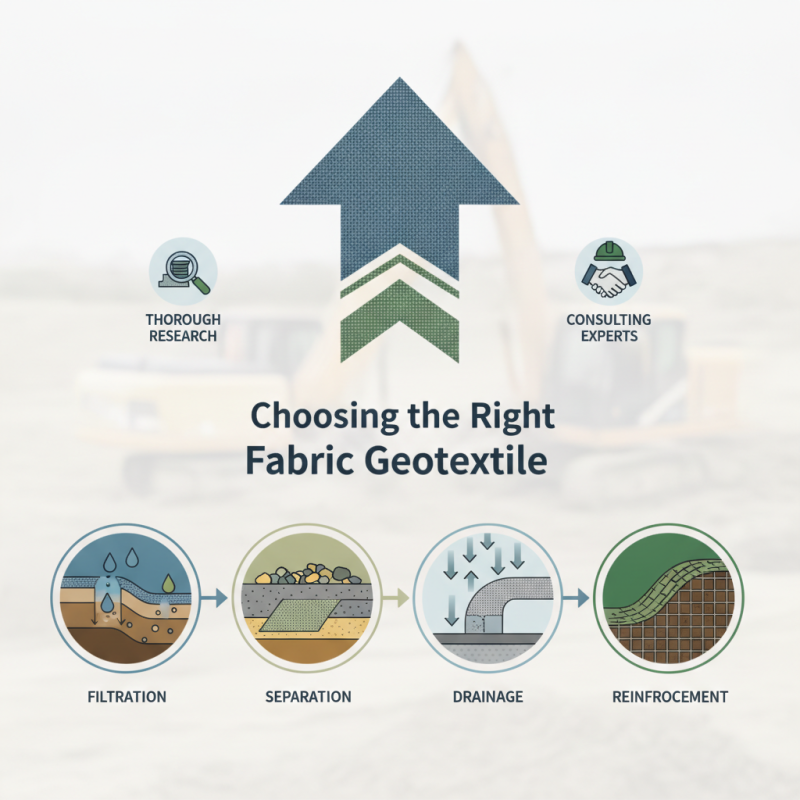
Choosing the right Fabric Geotextile can significantly impact your project's success. In various applications, including construction and landscaping, fabric geotextiles serve essential functions. They offer filtration, separation, drainage, and reinforcement, making them indispensable materials in modern engineering.
When selecting fabric geotextiles, consider the specific needs of your project. Different fabrics have unique strengths and weaknesses. It’s critical to understand how each type performs under various conditions. Design choices can often lead to unexpected challenges. A mismatch between fabric and application could result in project delays or failures.
Experience plays a vital role in making an informed choice. Industry professionals recommend thorough research into fabric properties. Materials vary in permeability, durability, and environmental compatibility. The right fabric geotextile can enhance longevity and effectiveness. Conversely, using the wrong product may lead to unforeseen complications. Always consult experts and tailor your selection to suit your project's unique demands.
Understanding Geotextiles: Types and Applications
Geotextiles play a vital role in civil engineering and environmental applications. They are typically made from synthetic fibers, woven or non-woven, and serve various purposes. One major category is separation geotextiles, which prevent soil mixing. They are crucial in road construction to enhance stability. Another type is filtration geotextiles that allow water to flow while trapping soil particles. This function is essential for drainage systems in landscapes.
When selecting a geotextile, consider the application carefully. Different projects require specific types; not all geotextiles are interchangeable. Some geotextiles are more durable, suited for high-stress environments. Others provide effective filtration in less demanding situations. Understanding the intended use can avoid mistakes that lead to project failures.
While many believe that all geotextiles perform equally, this is a misconception. The variability in material quality can affect long-term performance. It’s necessary to analyze the environment—soil type, moisture levels, and load conditions. Without this assessment, the geotextile might not perform as expected. Engaging with professionals can bring greater clarity to your choices and ensure the right fit for your project needs.
Key Factors in Selecting Fabric Geotextiles
When selecting fabric geotextiles, several key factors come into play. Durability is crucial. You want a fabric that can withstand environmental stressors like UV exposure and moisture. These conditions can degrade weaker materials. A robust geotextile offers long-term usage, reducing the need for replacements.
The type of project also dictates your choice. For erosion control, a woven fabric may be more effective. It allows for sediment retention while enabling water flow. In contrast, non-woven fabrics are often better at filtration. Understanding your project's specific needs can save time and money.
Another aspect to consider is permeability. If water drainage is vital, choosing a geotextile with the appropriate permeability rating is necessary. Testing samples can provide insights, ensuring the fabric meets expected performance levels. However, sourcing reliable test results can be challenging. It often requires multiple evaluations. Gathering expert opinions may clarify your choices. Be prepared for some trial and error as you discover what works best for your application.
Top Tips for Choosing the Right Fabric Geotextile
| Key Factors | Description | Application | Recommended Type |
| Permeability | Ability to allow water to flow through while retaining soil particles. | Drainage systems, retaining walls | Woven Geotextiles |
| Mechanical Properties | Strength and durability to withstand stresses from soil and loads. | High-load applications, embankments | Non-woven Geotextiles |
| Chemical Resistance | Resistance to chemicals and environmental conditions. | Landfills, contaminated sites | Polypropylene or Polyethylene Geotextiles |
| UV Resistance | Ability to withstand degradation from sunlight. | Temporary installations, exposed applications | UV Stabilized Geotextiles |
| Cost Effectiveness | Balancing quality and pricing to ensure budget-friendly options. | General construction projects | Economical Geotextiles |
Criteria for Evaluating Geotextile Performance
When selecting fabric geotextiles, performance criteria play a crucial role. Key factors include tensile strength, permeability, and robustness. According to recent industry analysis, geotextiles must withstand various environmental conditions. For example, high tensile strength ensures durability under heavy loads, especially in road construction. You want a geotextile that can resist punctures and tears.
Permeability is another vital criterion. A geotextile should allow water flow while preventing soil loss. Studies indicate that fabrics with appropriate permeability can significantly reduce erosion. Surprisingly, not all geotextiles perform equally in draining applications. Testing permeability under controlled conditions is essential for reliable results.
Lastly, consider the longevity of the material. Some geotextiles may degrade faster under UV exposure. The average lifespan can vary from five to thirty years. You need to weigh the initial costs against the potential need for replacements. This decision impacts both the project's budget and its overall sustainability. Recognizing these criteria will lead you toward a more informed choice in geotextile selection.
Sustainability Considerations for Geotextile Selection
When selecting geotextiles, sustainability is crucial. Many materials have environmental impacts. For instance, synthetic fibers often take centuries to decompose. Choosing natural or recycled options can help mitigate this effect. Always inquire about the source of the fabric. Sustainable sourcing reduces the carbon footprint.
Consider the lifespan of the geotextile. A longer-lasting fabric means less frequent replacements. Think about its intended use, too. Some geotextiles are better suited for erosion control, while others work well for filtration. Remember, the effectiveness of the material relies heavily on its application.
Here are some tips for sustainable selections:
- Look for certifications that indicate eco-friendliness.
- Check the manufacturing process to ensure low emissions.
- Evaluate the lifecycle assessment of the fabric.
- Aim for options that promise durability and reduce waste.
By making informed choices, you can impact both your project and the
environment positively.
Cost-Effectiveness: Balancing Quality and Budget in Geotextiles
Choosing the right fabric geotextile often balances cost and quality. A geotextile’s effectiveness hinges on its material properties. High-quality fabrics can reduce erosion and improve drainage. However, these benefits come at a premium price. Understanding specific project needs allows for smarter purchasing decisions.
Budget constraints can lead to compromises. Opting for lower-cost options might save money initially. Yet, the long-term effects can be costly. Frequent replacements or repairs can offset any initial savings. It’s essential to evaluate the project’s longevity and the environment it faces. For example, geotextiles in high-erosion areas require more durability.
Ultimately, finding a balance is key. Some may sway toward cheaper alternatives, but consider the overall value. Quality geotextiles can last longer and perform better. Documenting past experiences can inform better choices. Reflecting on previous failures helps avoid similar pitfalls. Geotextiles play a critical role, making informed decisions crucial for project success.
Cost-Effectiveness of Various Geotextile Fabrics
This chart illustrates the cost of different types of geotextiles per square meter. Woven geotextiles are the most economical, while knitted geotextiles are the most expensive, highlighting the importance of balancing quality and budget when selecting materials.