How to Choose the Best Led Pathway Light for Your Garden?
When it comes to garden aesthetics, choosing the right Led Pathway Light is crucial. Industry expert John Peterson states, "The right lighting can transform any outdoor space." With numerous options available, making an informed decision might feel overwhelming.
The variety of styles, designs, and technologies can dazzle anyone. It's essential to consider your garden's architecture and ambiance. For instance, solar-powered lights may be ideal for eco-friendly enthusiasts. In contrast, those seeking consistent, reliable illumination might lean toward wired options.
Yet, the challenge lies in balancing beauty and functionality. Not every Led Pathway Light will fit seamlessly into your landscape. Reflecting on your garden's unique features can guide you in selecting the perfect fit. A thoughtful approach to lighting can enhance both safety and atmosphere. The goal is to create a warm, inviting environment that showcases your garden's best qualities.
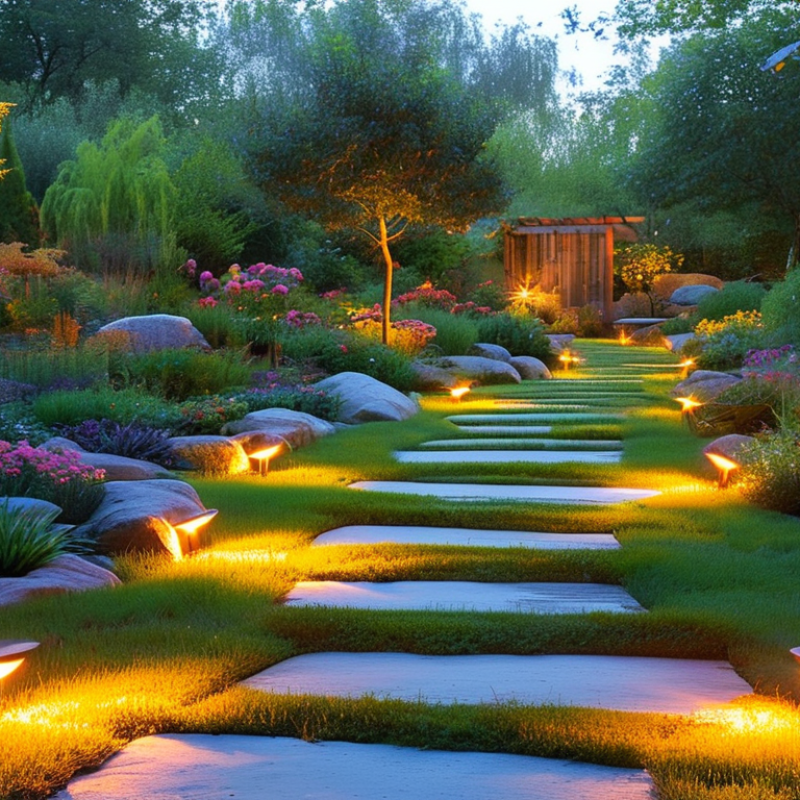
Factors to Consider When Selecting LED Pathway Lights for Gardens
Choosing the right LED pathway light for your garden involves several important factors. Light brightness is crucial. You need lights that enhance visibility without being overly harsh. Consider the lumen output. Most garden pathways benefit from a softer glow, typically between 100 to 300 lumens.
The design of the pathway lights matters, too. You want fixtures that complement your garden's style. Rustic, modern, or classic designs can change the mood dramatically. Think about materials as well. Durable options, like aluminum or stainless steel, withstand weather changes and last longer.
Tip: Test your chosen light against various surfaces. Grass, stone, and gravel can reflect light differently. You might find a light suitable on one surface looks lackluster on another.
Energy efficiency is another concern. Most LED lights save energy compared to traditional bulbs. Look for options with good ratings. This not only benefits your wallet but also the environment.
Tip: Measure your garden accurately. Knowing the distance between lights ensures adequate illumination along your pathway. Too far apart, and some areas will remain dark, creating safety hazards.
Understanding Lumens: Brightness Levels for Outdoor Spaces
Choosing the right LED pathway light begins with understanding lumens, the measure of brightness. When selecting lights for your garden, consider the intended ambiance. Path lights typically range from 80 to 350 lumens. For subtle lighting, 80 to 120 lumens works well. This level creates a gentle glow without overwhelming the space.
For functional areas, like driveways or entrances, aim for 200 to 300 lumens. This brightness enhances visibility and safety. However, too much brightness can create harsh contrasts. It's essential to find a balance. Also, remember that the distance between lights affects their overall effect. If your lights are spaced too far apart, the illumination may seem uneven.
Don't forget about color temperature. Warm white (2700K to 3000K) creates a cozy atmosphere while cooler temperatures (4000K +) offer a more modern feel. Experiment with different settings. You might discover that a mix of both enhances your garden's charm. Always think about your outdoor layout. Adjustments may be needed to achieve the right vibe.
Brightness Levels of LED Pathway Lights for Your Garden
This chart illustrates the number of LED pathway light models available at different brightness levels, measured in lumens. Understanding these options can help you choose the best lighting for your garden setup.
Energy Efficiency Ratings: Comparing LED Lights to Traditional Options
When considering energy efficiency, LED pathway lights excel compared to traditional options. LEDs use significantly less power, producing more lumens per watt. This means you can illuminate your garden while reducing your energy bill. Traditional incandescent bulbs waste energy as heat, making LEDs a smarter choice.
Tips: Look for lights with high lumens and low wattage. Also, consider models with adjustable brightness. This can help save energy while maintaining the right ambiance.
Another critical factor is lifespan. LED lights can last up to 25,000 hours, much longer than most traditional bulbs. This longevity translates to fewer replacements and less waste. However, not all LED products are created equal. Some may have subpar manufacturing and shorter lifespans. Research is essential.
Tips: Check energy efficiency ratings and read product reviews. A higher initial investment can pay off in energy savings. Quality LEDs may seem pricey, but they can save you money in the long run.
How to Choose the Best Led Pathway Light for Your Garden? - Energy Efficiency Ratings: Comparing LED Lights to Traditional Options
| Feature | LED Pathway Light | Traditional Pathway Light |
| Lifespan | 25,000 - 50,000 hours | 1,000 - 2,000 hours |
| Energy Consumption | 10-15 watts | 50-100 watts |
| Light Output (Lumens) | 800-1600 lumens | 400-1000 lumens |
| Heat Emission | Low | High |
| Environmental Impact | No mercury, better for the environment | Contains mercury, less eco-friendly |
| Initial Cost | Higher | Lower |
| Maintenance Cost | Lower (less frequent replacements) | Higher (more frequent replacements) |
Durability and Weather Resistance: Ensuring Longevity in Garden Lights
When selecting LED pathway lights for your garden, durability and weather resistance are crucial. Garden lights often face various environmental challenges. Rain, snow, and intense sunlight can take their toll. It’s essential to choose lights made from robust materials that can withstand these elements. A well-constructed light will not only endure harsh conditions but also maintain its aesthetic appeal.
Look for lights with a high ingress protection (IP) rating. This rating indicates how well a light can resist moisture and dust. An IP65 rating or higher is typically recommended. Additionally, consider materials such as aluminum or stainless steel. These materials are known for their corrosion resistance and longevity. Plastic options might be cheaper, but they may not last as long in tough weather.
Pay attention to the warranty offered. A strong warranty often reflects the manufacturer’s confidence in their product’s durability. If possible, check customer reviews for insights on real-world performance. Sometimes, lights that look good on the shelf fail in action. Investing in reliable lights will save you from frequent replacements. Remember, it’s about blending functionality with style in your garden.
Design and Aesthetics: Choosing the Right Style for Your Landscape
When selecting LED pathway lights for your garden, design and aesthetics are crucial. The right style enhances your landscape while ensuring functionality. In a recent report by the Landscape Institute, over 72% of homeowners stated that outdoor lighting influences the overall appeal of their gardens. This statistic highlights the importance of making informed choices.
Consider the architectural style of your home. Sleek, modern fixtures may clash with a traditional garden. Similarly, rustic lanterns might appear out of place in a minimalistic setting. Choose lights that either complement or intentionally contrast with existing elements. Uniformity in color and material can create a cohesive look. According to the Illuminating Engineering Society, the ideal lighting should not only illuminate pathways but also highlight landscaping features.
While LED lights offer longevity and efficiency, aesthetic choices can sometimes lead to oversights. Some fixtures may not provide adequate light coverage. Ignoring this factor may result in dark spots, making pathways less safe. Additionally, ensure that the fixtures are durable and weather-resistant. Investing in quality aesthetics should not compromise functional safety in your outdoor spaces.