How to Choose the Best Grain Destoner Machine for Your Needs?
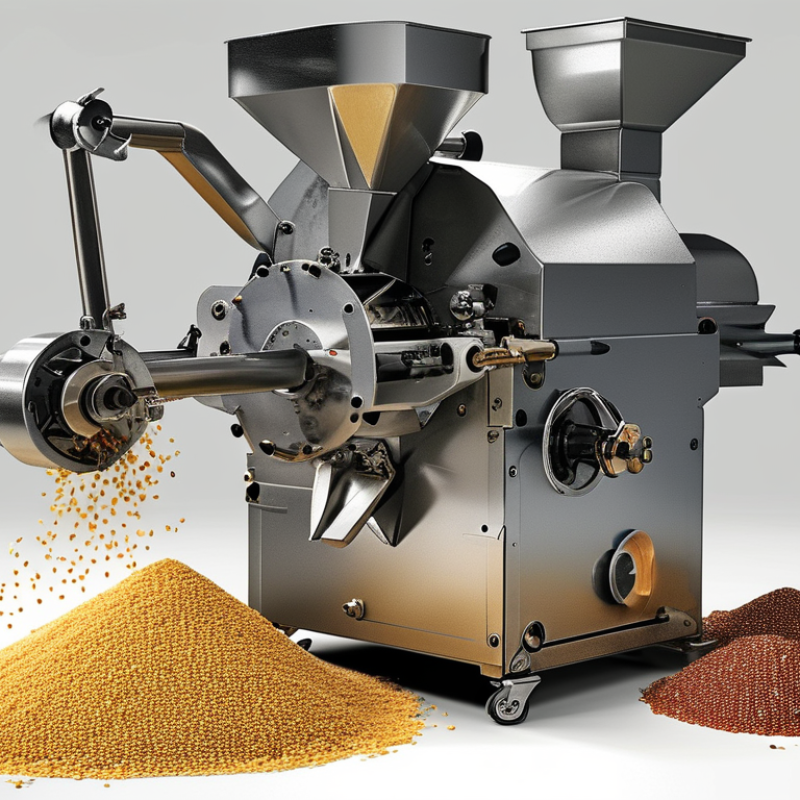
Choosing the right Grain Destoner Machine is a crucial decision for food processing operations. This machine enhances product quality by eliminating impurities. A well-selected destoner boosts efficiency and profitability.
When evaluating options, consider your specific needs. Not all machines are created equal. Features like capacity and technology should match your operations. Some machines may look appealing but fail in performance. It's essential to research reliable vendors offering machines that suit your requirements.
Understanding the importance of a Grain Destoner Machine will guide your choice. Make sure to seek advice and read reviews. Sometimes, experts may overlook certain features that actually matter. Being diligent in your selection can yield better results.
Understanding the Basics of Grain Destoner Machines and Their Functionality
Grain destoners play a crucial role in the agriculture sector. They help separate stones and other impurities from grains. Understanding how these machines work is essential for making an informed decision.
Typically, grain destoners use a combination of air and vibrations to achieve separation. Airflow moves lighter materials away, while heavier grains drop down. This process ensures high-quality output for grain handling. However, not all destoners perform equally. Some may struggle with specific grain types or sizes. It’s essential to assess the design and functionality before making a choice.
Maintenance is another important aspect. Regular checks can prevent malfunctions. An overlooked machine might lead to inefficient operations. Understanding the basic components and their wear can be beneficial. By focusing on these details, you can find a destoner that meets your operational needs effectively.
Grain Destoner Machine Performance Comparison
Identifying Your Specific Needs and Requirements for a Destoner Machine
When selecting a grain destoner machine, it’s crucial to identify your specific needs. Different operations require different features. Are you dealing with small batches or large volumes? The capacity of the machine should align with your production scale. Consider also the type of grains you process. Some machines may perform well with one type but struggle with others.
Additionally, reflect on the quality of the end product you desire. Do you need a high level of purity? A machine that offers adjustable settings may be beneficial here. You might also think about maintenance needs and energy consumption. An efficient machine saves costs but may require more initial investment. Regular maintenance can be overlooked but is essential for longevity.
Don't forget to evaluate your available space. The machine's dimensions should fit comfortably within your facility. Gathering feedback from users can help you understand potential challenges. Industry standards vary, making it crucial to research thoroughly. Consider potential imperfections in your decision-making process. Explore different options, and be open to revisiting your requirements as you learn more.
Key Features to Consider When Selecting a Grain Destoner
Choosing the right grain destoner machine can significantly impact your grain processing efficiency. When selecting one, focus on key features. The first is the capacity of the machine. You need a model that matches your production scale. A compact design may work for small operations, while larger capacities are crucial for industrial use.
Another feature to consider is the destoning technology. Different machines employ various methods to identify and remove stones. It's important to research how these technologies impact the quality of your grain. A precise separation can save costs in the long run. Pay attention to the machine's ease of operation. You want a model that is user-friendly and has reliable controls.
Lastly, think about maintenance requirements. Some machines need frequent servicing, which can disrupt your workflow. Reliable machines may require less attention, saving time and resources. Find a balance between performance and maintenance. Consider these aspects carefully to ensure you choose the best machine tailored to your needs.
Comparing Different Types and Models of Grain Destoners
Choosing the right grain destoner machine can be challenging. There are various types and models available, each designed for specific needs. One common type is the air-screen destoner, which uses air to separate stones from grain based on weight and density. These are effective but may require careful calibration. Precision in the setup process is crucial to avoid losses.
Another option is the gravity destoner. This model relies on gravitational force to effectively separate lighter materials from heavier grains. While it can be efficient, its performance may fluctuate based on grain moisture and density. Users often overlook these factors, leading to inconsistent results.
Some destoners also combine both air and gravity separation methods. These hybrid models can offer versatility in handling different grain types. However, they may be more complex to operate and maintain. Taking time to understand each model's unique attributes will improve your choice. Consider your specific grain type and throughput requirements to find a fitting solution.
Budget Considerations and Maintenance Tips for Your Grain Destoner Machine
When selecting a grain destoner machine, budget is a crucial factor. Consider your production needs and the volume of grain you process. Basic models are cheaper but may lack advanced features. Higher-end machines offer better efficiency and durability. Investing in a reliable destoner can enhance your grain quality and save costs down the line.
Maintenance is equally important for maximizing the life of your machine. Regular cleaning is essential. Remove grain residues to prevent blockages. Inspect moving parts for wear and tear. Many users overlook this aspect. Not addressing minor issues can lead to bigger problems. Schedule routine check-ups to ensure your machine runs optimally.
Remember, a well-maintained grain destoner can save you time and money. Neglecting maintenance will result in reduced performance. Sometimes, cutting corners on budget leads to more expenses later. It’s wise to balance initial costs with long-term reliability. Investing in a quality machine may yield better results over time.
How to Choose the Best Grain Destoner Machine for Your Needs?
| Feature | Description | Budget Range ($) | Maintenance Tips |
| Capacity | The amount of grain processed per hour. Choose based on production needs. | 2,000 - 10,000 | Regularly check and clean the hoppers and sieves. |
| Power Consumption | How much electricity the machine uses during operation. | 100 - 500 | Ensure electrical components are regularly inspected. |
| Machine Size | Dimensions of the destoner. Consider your workspace layout. | 1,500 - 4,000 | Keep a clean area around the machine to ensure airflow. |
| Durability | Quality of materials used in construction. Impacts lifespan and repairs. | 3,000 - 8,000 | Perform routine maintenance and replace worn parts promptly. |
| Type of Grain | Compatible grains for the machine, such as wheat, rice, or corn. | Varies widely | Use grain specific destoners to optimize performance. |