2026 Best Vacuform Mold Options for Global Buyers?
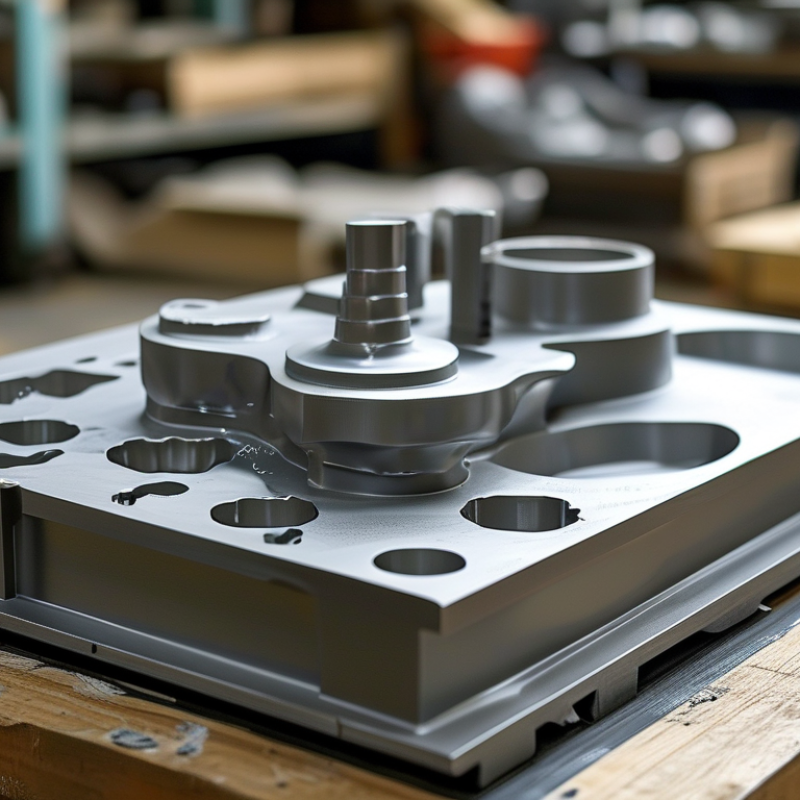
In the evolving landscape of manufacturing, “Vacuform Mold” technology has become essential. This method offers flexibility and efficiency for diverse industries. Global buyers are seeking the best options for 2026 to meet their production needs.
Vacuform molds are not just tools; they shape entire industries. From product packaging to prototypes, their applications are vast. However, choosing the right Vacuform Mold can be challenging. The market is saturated, and quality varies significantly. Buyers must navigate these options carefully.
Consider the specific requirements of your project. Will the mold endure high temperatures? Is detail precision your priority? These questions can guide your choice. Recognizing the limitations of available products is crucial. Some may lack durability, while others offer less precision. Reflecting on these aspects ensures better decisions for your manufacturing needs.
Overview of Vacuform Molding Technology
Vacuform molding technology has gained significant traction in various industries due to its efficiency and cost-effectiveness. This process involves a heated thermoplastic sheet, which is then formed over a mold using vacuum pressure. According to a recent industry report by MarketsandMarkets, the global vacuum forming market is projected to reach $3.5 billion by 2026, reflecting a growing demand driven by sectors such as packaging, automotive, and consumer goods.
One of the strengths of vacuform molding is its versatility. It can create complex shapes, which are essential for product development. The technology allows for rapid prototyping, enabling designers to test ideas quickly. However, there are challenges. Quality control is a common concern. The consistency of the mold can vary due to material thickness or temperature fluctuations. Furthermore, while vacuform can produce attractive designs, it may not be suitable for high-stress applications, which require more robust alternatives.
Despite these issues, vacuform remains a popular choice. Its fast turnaround times and lower tooling costs appeal to manufacturers looking to stay competitive. Understanding these dynamics is key for global buyers assessing their options in the ever-evolving marketplace. While it has its limitations, the potential for innovation and customization remains strong, making it a topic of interest for future developments in manufacturing.
2026 Best Vacuform Mold Options for Global Buyers
| Mold Material | Applications | Mold Size (cm) | Production Rate (units/hour) | Cost Range (USD) |
| Polycarbonate | Consumer Electronics | 30 x 20 | 50 | 150 - 250 |
| Acrylic | Signage | 40 x 25 | 40 | 100 - 200 |
| PVC | Toys | 25 x 10 | 70 | 50 - 150 |
| Polypropylene | Food Packaging | 20 x 15 | 100 | 80 - 180 |
Key Factors for Selecting Vacuform Molds
When selecting vacuform molds, buyers must consider multiple factors. Material choice is crucial. Polycarbonate and ABS are popular for their strength and durability. According to a recent report from Freedonia Group, the demand for these plastics is expected to grow by 4% annually through 2026. This trend highlights the importance of quality materials in mold longevity.
Additionally, design complexity influences mold effectiveness. Intricate designs may require advanced techniques, increasing costs. Buyers should identify the balance between complexity and budget. Industry data indicates that about 30% of mold production costs are tied to design specifications. Simplicity often results in lower manufacturing costs and easier production timelines, which may not always align with the desired aesthetics.
Lastly, quality assurance protocols play a vital role in choosing a supplier. Ensuring compliance with industry standards is key. A study by the American Society for Quality found that 27% of manufacturers face issues due to inadequate quality checks. This emphasizes the need for buyers to prioritize suppliers with robust quality control measures.
Top Vacuform Mold Manufacturers in 2026
In 2026, the vacuum forming industry is poised for significant growth. According to recent market analysis, the global vacuum forming market is projected to reach $3.5 billion by the end of the decade. This growth is driven by increasing demand in various sectors, including packaging, automotive, and consumer goods. Understanding the top manufacturers is essential for global buyers looking for quality vacuform molds.
The top vacuform mold manufacturers are distinguished by their technology and expertise. Industry reports highlight that companies with advanced automation capabilities tend to produce molds with higher precision. Furthermore, collaboration with clients often leads to innovative designs that better meet specific needs. This highlights a gap where some manufacturers still rely on outdated methods, potentially affecting their competitiveness.
Emerging trends emphasize the importance of eco-friendly materials in mold production. A significant 42% of buyers prioritize sustainability when selecting a supplier. Those who ignore this trend risk falling behind. While many manufacturers are adapting, others struggle to transition, reflecting a broader challenge in the industry. Global buyers must remain vigilant about these dynamics to make informed decisions.
Comparative Analysis of Material Options for Vacuform Molds
When selecting materials for vacuform molds, buyers must consider durability and versatility. Common options include polystyrene, ABS, and polycarbonate. Each material offers unique advantages and disadvantages. For instance, polystyrene is lightweight and easy to work with, but may not withstand high temperatures. In contrast, polycarbonate provides greater heat resistance but is heavier and more expensive.
Tips: Always assess the intended application when choosing a material. Consider factors such as temperature and pressure. Test small samples before committing to a full production run. This can save time and resources.
Another significant aspect is the mold design itself. Complex designs can require stronger materials for stability during the forming process. A simple, flat design may only need basic materials. Reflect on the trade-offs between ease of production and product quality. This balance is crucial for optimal results in vacuform molding.
Global Market Trends in Vacuform Mold Production
The global vacuform mold market is experiencing significant growth. By 2026, the market is projected to exceed $3 billion in value. This surge is largely driven by the increasing demand for packaging solutions in various industries, including consumer goods, electronics, and automotive.
Key trends show a shift towards automation in the production process. Reports indicate that automated vacuform molding can reduce production time by nearly 30%. Companies are investing in advanced machinery, which enhances precision and reduces waste. However, these advancements bring challenges. Smaller manufacturers may struggle to keep up with technology investments, potentially affecting their competitiveness.
Sustainability is another critical factor influencing market dynamics. As consumers demand eco-friendly products, manufacturers are seeking biodegradable materials for vacuform molds. The transition is not without its difficulties. High-quality alternatives are often more expensive, impacting profit margins. Balancing cost and sustainability remains a challenge for industry players. Furthermore, the need for continuous innovation in design and material use is imperative to meet evolving consumer preferences.
2026 Best Vacuform Mold Options for Global Buyers
This chart depicts the projected demand for various types of vacuform molds in 2026, highlighting the global market trends.