10 Best Stainless Steel Valves for Global Buyers

Global buyers are reassessing Stainless Steel Valves as plants face stricter hygiene, corrosion, and maintenance demands. Fortune Business Insights estimates the global industrial valves market will grow from approximately USD 77.5 billion in 2024 to USD 109.5 billion by 2032. This wider market includes many materials, but stainless steel remains important in food processing, pharmaceuticals, water treatment, chemicals, and energy.

The choice is not simply about buying the strongest-looking valve. Grade, pressure class, temperature range, sealing material, end connection, and certification can change performance significantly. A 316L valve may resist chlorides better than 304, yet it can still fail under poor installation or unsuitable media. Greg Johnson, a respected valve-industry specialist and former Valve Magazine editor, offers a useful principle: “Valve selection must begin with the process, not the catalog.” That advice deserves attention.

This guide examines 10 Best Stainless Steel Valves for Global Buyers, focusing on construction, operating conditions, documentation, and supplier reliability. MarketsandMarkets also identifies industrial automation, water infrastructure, and process industries as major growth drivers. Buyers should read such forecasts carefully. Market growth does not guarantee product quality.

A polished specification sheet can hide weak traceability. A low price can hide expensive downtime. We will compare practical details, including body grades, pressure ratings, actuator options, inspection records, and international support. Some recommendations may not suit every facility. That is the point. The best valve depends on the pipeline, the medium, and the consequences of failure.
10 Best Stainless Steel Valves for Global Buyers

How Stainless Steel Valves Work and Where They Are Used

10 Best Stainless Steel Valves for Global Buyers

Stainless steel valves control, isolate, or redirect fluid through a pipeline. A disc, ball, gate, or plug moves against a seat. This movement changes the flow path. Actuators may use handwheels, air, electricity, or hydraulic pressure. The correct design depends on pressure, temperature, fluid chemistry, and cleaning requirements.

Their applications are broad. Food plants use hygienic valves around tanks, pumps, and filling lines. Chemical facilities need corrosion resistance and reliable shutoff. Water treatment systems use them for dosing, filtration, and backflow control. The International Energy Agency reported that global hydrogen demand reached about 95 million tonnes in 2022. That growth increases interest in materials suited to demanding gas systems. Grand View Research valued the global industrial valves market at roughly USD 78 billion in 2023. These figures show scale, but they do not replace engineering checks. A valve can look suitable and still fail through unsuitable seals, poor welding, or incorrect sizing. I have seen selection become too focused on body material. That is an incomplete approach.

Tips: Confirm the media before choosing grade 304 or 316 stainless steel. Check chloride exposure, pressure class, temperature, and seat compatibility. Request test certificates and leakage results. Avoid selecting by pipe size alone. The wrong flow coefficient can create noise, vibration, and wasted energy. ASME B16.34 and ISO 5208 provide useful reference points, but site conditions still require professional review.

Key Criteria for Comparing Stainless Steel Valve Performance

When comparing stainless steel valves, buyers should begin with service conditions, not catalogue photographs. Record fluid type, temperature, pressure, flow direction, and operating frequency. A valve handling clean water may fail early in chloride-rich process liquid. Material grade matters, but it is not the whole decision. Check body, stem, seat, and fastener materials separately. Small differences become expensive.

Performance testing should include pressure holding, shutoff leakage, torque, and cycle endurance. Ask for traceable test records, calibrated instruments, and clear acceptance standards. Look for smooth stem movement and consistent handle resistance during site inspections. For automated valves, compare actuator sizing against actual differential pressure, not an ideal estimate. Oversized actuators waste energy, while undersized units may stall. That hurts reliability.

Connection design also affects field performance. Flanged, threaded, and welded ends suit different installation and maintenance needs. Inspect sealing surfaces for scratches, uneven machining, or trapped debris. In humid coastal storage, packaging and drainage deserve attention. I have seen a technically strong valve perform poorly after careless storage. That is an uncomfortable lesson. Review spare-seat availability, cleaning procedures, and service access. A lower purchase price can hide longer downtime. Compare evidence, not promises. Leave room for uncertainty because operating data is often incomplete.

The 10 Best Stainless Steel Valves for Global Buyers

The 10 Best Stainless Steel Valves for Global Buyers

The 10 best stainless steel valves depend on pressure, temperature, media, and maintenance access. A practical shortlist includes ball, gate, globe, check, butterfly, needle, plug, diaphragm, safety, and control valves. Ball valves suit fast shutoff, while gate valves support full-flow isolation. Globe valves offer better throttling control. Check valves prevent reverse flow in pumps and pipelines. Butterfly valves save space on large lines. Needle valves manage precise, low-flow adjustment. Plug valves handle frequent operation in demanding systems. Diaphragm valves help protect sensitive fluids from contamination. Safety valves release excess pressure. Control valves regulate changing process conditions.

Tips: Confirm the valve body grade, seal material, pressure class, and connection standard before ordering. Stainless steel is not automatically suitable for every chemical or temperature. Ask for pressure-test reports, material certificates, and dimensional drawings. Standards such as ISO 5208 or ASME B16.34 can support inspection, but local requirements still need checking. Keep spare seals available. Small delays become expensive when equipment stops.

From field evaluations, flow direction markings and accessible handles often matter more than polished surfaces. I have seen suitable valves fail early because installers ignored media concentration or thermal cycling. That mistake is easy to repeat. Buyers should compare total ownership cost, not only the purchase price. A cheaper valve may require more frequent servicing, difficult replacement, or special tools. The best selection is the one that matches verified operating data, documented testing, and realistic maintenance conditions.

10 Best Stainless Steel Valves for Global Buyers - The 10 Best Stainless Steel Valves for Global Buyers

Rank Valve Type Recommended Configuration Typical Body Material Pressure Rating Common Size Range End Connection Temperature Range Key Advantages Typical Applications Relevant Standards
1 Stainless Steel Floating Ball Valve ASTM A351 CF8M stainless steel; PTFE seats Class 150 or PN16–PN40 DN15–DN200
NPS 1/2–8
Threaded, socket-weld, butt-weld, or flanged -29°C to 180°C
-20°F to 356°F
Low pressure drop, quarter-turn operation, tight shutoff, easy maintenance Water treatment, chemical transfer, compressed air, general process lines ASME B16.34, API 608, ISO 5211, ASME B16.5
2 Stainless Steel Three-Piece Ball Valve ASTM A351 CF8M; PTFE or reinforced PTFE seats Class 800–Class 1,000, depending on size and design DN8–DN100
NPS 1/4–4
Threaded, socket-weld, or butt-weld -29°C to 200°C
-20°F to 392°F
In-line servicing, high cycle life, compact design, good chemical resistance Food processing, pharmaceuticals, instrumentation, chemical skids ASME B16.34, API 608, ISO 5211, ASME B16.11
3 Stainless Steel Wafer Butterfly Valve CF8M body or ductile iron body with stainless wetted components; 316 stainless steel disc PN10–PN16 or Class 150 DN50–DN1200
NPS 2–48
Wafer or lug style between flanges -20°C to 150°C
-4°F to 302°F
Lightweight, economical at larger sizes, fast quarter-turn control, low installation space Cooling water, HVAC, irrigation, water distribution, air handling EN 593, API 609, ISO 5752, EN 1092-2
4 Stainless Steel Globe Valve ASTM A351 CF8M; stainless steel trim Class 150–Class 600 or PN16–PN100 DN15–DN300
NPS 1/2–12
Flanged, threaded, socket-weld, or butt-weld -29°C to 400°C
-20°F to 752°F
Accurate flow regulation, robust shutoff, suitable for frequent throttling Steam, boiler feedwater, process control, high-temperature utilities ASME B16.34, API 623, ASME B16.5, ASME B16.10
5 Stainless Steel Swing Check Valve ASTM A351 CF8M; 316 stainless steel disc and hinge Class 150–Class 600 or PN16–PN100 DN15–DN600
NPS 1/2–24
Flanged, wafer, threaded, or butt-weld -29°C to 400°C
-20°F to 752°F
Automatic operation, low operating cost, moderate pressure loss, reliable reverse-flow protection Pumps, water systems, process pipelines, condensate and utility lines API 594, API 6D, ASME B16.34, ASME B16.5
6 Stainless Steel Lift Check Valve ASTM A351 CF8M; stainless steel internal trim Class 150–Class 600 DN15–DN100
NPS 1/2–4
Threaded, socket-weld, or flanged -29°C to 350°C
-20°F to 662°F
Good sealing performance, controlled disc movement, suitable for high-pressure small-bore piping Instrument air, steam, chemical dosing, laboratory and utility systems API 594, ASME B16.34, ASME B16.11, ASME B16.5
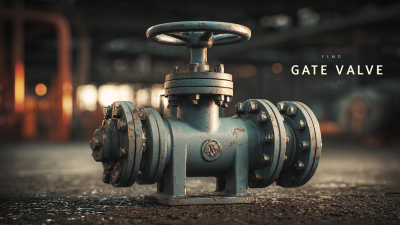
7 Stainless Steel Gate Valve ASTM A351 CF8M; 316 stainless steel wedge and stem Class 150–Class 600 or PN16–PN100 DN15–DN600
NPS 1/2–24
Flanged, threaded, socket-weld, or butt-weld -29°C to 400°C
-20°F to 752°F
Low flow resistance when fully open, strong isolation capability, suitable for infrequent operation Water, oil, gas, steam, and process isolation lines API 600, API 602, ASME B16.34, ASME B16.5
8 Stainless Steel Needle Valve 316 or 316L stainless steel; stainless steel stem and tip Up to 6,000 psi
Approximately 414 bar, design-dependent
DN2–DN25
NPS 1/16–1
Tube, compression, threaded, or welded connection -54°C to 232°C
-65°F to 450°F
Fine flow adjustment, compact dimensions, excellent control in low-flow circuits Instrumentation, pressure measurement, hydraulic panels, sampling systems ASME B16.34, ASME B1.20.1, ISO 14723 where applicable
9 Stainless Steel Sanitary Diaphragm Valve 316L stainless steel; EPDM, PTFE, or silicone diaphragm Typically 10 bar or 150 psi, design-dependent DN15–DN100
1/2–4 in sanitary size
Tri-clamp, butt-weld, or hygienic threaded connection 0°C to 150°C
32°F to 302°F, depending on diaphragm material
Dead-space reduction, cleanability, separation of fluid from actuator, suitable for sterile service Dairy, beverage, bioprocessing, cosmetics, and pharmaceutical production ASME BPE, 3-A Sanitary Standards where applicable, ISO 2852
10 Stainless Steel Cryogenic Globe Valve 304 or 316 stainless steel; cryogenic-compatible trim and seals Class 150–Class 600 DN15–DN300
NPS 1/2–12
Flanged, butt-weld, or extended-bonnet welded connection -196°C to 120°C
-321°F to 248°F
Reduced heat transfer to packing, reliable isolation and regulation for liquefied gases Liquid nitrogen, oxygen, argon, LNG, and cryogenic storage systems BS 6364, EN 1626, ASME B16.34, ASME B16.5

Technical ranges are typical selection values and vary with valve size, pressure class, seat material, actuator configuration, fluid, and applicable local regulations. Final selection should be confirmed against the manufacturer’s certified datasheet and the project design conditions.

Material Grades, Standards, Certifications, and Supplier Factors

Selecting the best stainless steel valve requires more than a polished product photograph. Material grade affects corrosion resistance, temperature limits, and service life. Grade 304 suits many clean-water and general industrial systems. Grade 316 performs better near chlorides, seawater, and coastal air. Duplex stainless steel can offer higher strength, but welding control becomes more demanding.

Check the specification carefully. Valve pressure ratings should match ASME B16.34, while pressure testing may follow API 598 or ISO 5208. Flange dimensions should align with the project’s selected standard. Ask for EN 10204 3.1 material certificates, heat numbers, and test records. Certifications matter. They do not replace technical review. A certificate with missing traceability is only paper.

Supplier evaluation needs practical evidence. Request drawings, inspection plans, packing details, and realistic delivery dates. Factory audits can reveal poor surface finishing, mixed material batches, or weak storage practices. Ask how the supplier handles replacement parts and nonconforming valves. Communication speed matters during installation. So does documentation quality. I have seen reliable-looking orders delayed by unclear actuator data. That mistake is easy to prevent. Compare warranty terms, export experience, machining capacity, and independent inspection options. A low quote may hide testing gaps or thinner castings. Small details can become expensive problems.

How to Choose the Right Stainless Steel Valve for Your Project

10 Best Stainless Steel Valves for Global Buyers

How to Choose the Right Stainless Steel Valve for Your Project

Choosing a stainless steel valve starts with the fluid, not the catalog photo. Record pressure, temperature, flow rate, and chemical concentration. A 316 stainless steel valve may resist chlorides better than 304, but it is not automatically suitable for every process. The wrong alloy can suffer pitting, leakage, or premature shutdown. NACE’s IMPACT study estimates that corrosion costs about 3.4% of global GDP. Material selection deserves real attention.

Valve design matters too. Ball valves suit fast isolation, while globe valves provide more controlled throttling. Butterfly valves can reduce weight in large pipelines. Check pressure classes, end connections, sealing materials, and actuator requirements. ASME B16.34 covers key valve design and pressure requirements. ISO 5208 and API 598 provide recognized testing guidance. For international projects, confirm certificates, inspection records, and metric or imperial dimensions before ordering. Standards are useful, but they do not replace operating data.

Tips: Ask for the complete datasheet. Specify media chemistry and suspended solids. Compare the valve’s pressure-temperature rating at actual conditions. Review factory test procedures, not only test claims. World Stainless Association data recorded about 58.4 million tonnes of stainless steel production in 2023, showing the material’s broad industrial use. Still, stainless steel is not magic. Poor installation, contamination, or an unsuitable seat can defeat a good valve. Leave room for review; project assumptions are often incomplete.

REQUEST A QUOTE

Menu
[all-fields]