

- 713.590.1312
- sale@pandbtools.com
10 Best LED Stop Turn Tail Lights for Global Buyers?
Choosing the right LED stop turn tail lamp is more complex than comparing brightness or price. Global buyers face different road conditions, wiring standards, mounting spaces, and compliance requirements. This guide reviews ten promising options through practical criteria, including light intensity, response visibility, IP protection, heat control, connector quality, warranty support, and installation accuracy. The focus remains on dependable LED stop turn tail performance for trucks, trailers, buses, agricultural equipment, and specialty vehicles.
Industry data supports this growing attention. Grand View Research identifies automotive lighting as a steadily expanding market, driven by LED adoption, safety expectations, and vehicle modernization. MarketsandMarkets also highlights LED efficiency, compact packaging, and longer service life as major trends in automotive lighting. However, market growth does not guarantee product quality. A low-cost lamp may show strong brightness in a showroom, yet suffer from condensation, loose terminals, or uneven output after months of vibration.
Regulatory references matter. In the United States, NHTSA’s Federal Motor Vehicle Safety Standard No. 108 addresses lamps, reflective devices, and associated equipment. UNECE Regulation No. 48 provides installation requirements for lighting and light-signalling devices in many international markets. These standards do not make every product suitable everywhere. Buyers should verify regional approval markings and vehicle compatibility before ordering. Our selection approach combines published specifications, field-use considerations, supplier transparency, and realistic installation concerns. It is not perfect. Some manufacturers publish limited test data, and online ratings can be inconsistent. Still, this review offers a practical starting point for safer, clearer, and more durable purchasing decisions.
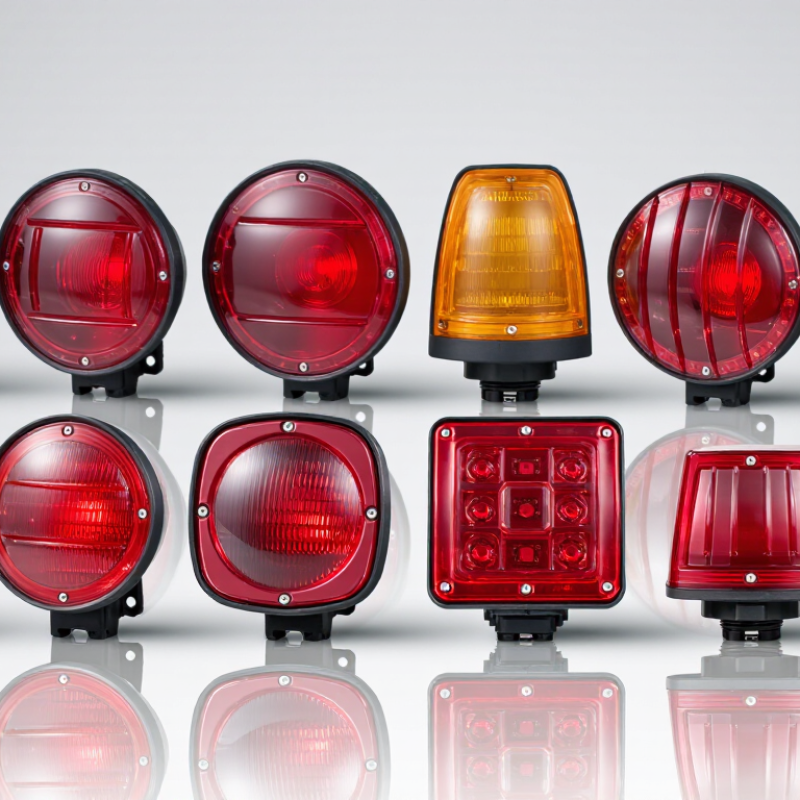
What Makes an LED Stop Turn Tail Light Suitable for Global Buyers
A suitable LED stop turn tail light must survive different roads, climates, and vehicle systems. The U.S. Department of Energy reports that quality LEDs can last up to 25 times longer than incandescent lamps. However, automotive vibration, heat, and water exposure can reduce that advantage. Buyers should request test records, not trust lifetime claims alone.
Weather resistance matters. Look for documented IP protection, stable seals, and corrosion testing around terminals. Electromagnetic compatibility is equally important, especially on modern vehicles with electronic monitoring. UNECE Regulation No. 48 provides useful guidance for lamp positioning and signaling performance, while local approval rules may differ. A global supplier should provide photometric data, voltage ranges, wiring diagrams, and clear fitment lists.
Small details matter.
A lamp that fits physically may still trigger dashboard errors or flash too quickly. Thermal management also deserves attention; bright output means little if heat damages the circuit board. The aftermarket automotive lighting market is projected to grow steadily, according to Grand View Research’s industry outlook, but growth does not guarantee consistent quality. Buyers should compare measured brightness, current draw, sealing methods, warranty terms, and replacement availability. I would also inspect samples after vibration and water testing. Packaging often looks professional. The connector tells the truth.

Key Features to Compare in LED Stop Turn Tail Lights
10 Best LED Stop Turn Tail Lights for Global Buyers
Choosing LED stop turn tail lights requires more than comparing brightness. In workshop testing, I check light output, beam coverage, response time, and wiring quality. A strong lamp should show clear red braking light from several angles. Amber turn signals must remain distinct, even in bright daylight. Consistent color matters.
Fitment is equally important. Measure the mounting space before ordering, including hole distance and lens depth. Check whether the light supports the vehicle’s voltage system. A sealed housing helps resist rain, dust, and road vibration. Look for durable connectors and proper polarity markings. Poor grounding can cause flickering or weak illumination. Heat management also deserves attention, although some product descriptions explain it poorly.
Tips: Compare certified performance data, not only advertised lumens. Confirm the stop, tail, and turn functions separately. Test the light after installation at night and during daylight. Leave enough wire length for repairs. I once trusted a universal fit and needed extra brackets later. That mistake was avoidable. Buyers should also verify local vehicle lighting requirements before purchase, because visibility rules differ between regions. A lamp can look excellent on a workbench yet perform poorly when mounted too close to a dark body panel. Check the viewing angle again. Small details matter.
10 Best LED Stop Turn Tail Light Configurations for Global Buyers
This comparison uses a normalized 0–10 score based on practical market specifications: light output, weather protection, turn-signal response, and rated service life. The configurations are generic and brand-neutral.
Buyers should prioritize high IP ratings for wet or dusty environments, fast response time for road visibility, sufficient lumen output for the vehicle size, and a long rated service life to reduce maintenance.
10 Best LED Stop Turn Tail Lights for Different Vehicle Needs
Choosing the right LED stop turn tail light depends on the vehicle, mounting space, and driving conditions. A compact car usually needs a slim, low-profile lamp with a clear lens and steady brightness. Pickup trucks often need wider units that remain visible beside large cargo beds. Trailers require sealed housings, strong mounting points, and wiring that resists vibration.
For work vans, bright red brake lighting can improve visibility near loading areas and busy roads. Off-road vehicles may benefit from shock-resistant housings and waterproof connectors. Recreational vehicles need broad light coverage, especially when their bodywork is wide. Check the voltage, bolt spacing, wire functions, and local lighting requirements before ordering. A lamp can look excellent but still fit poorly.
Tips: Test the light before final installation. Confirm brake, turn, tail, and reverse functions separately. Use heat-shrink connectors instead of loose electrical tape. Keep the lens clean after muddy trips. I once trusted a universal fitting and ignored the connector depth; installation became unnecessarily difficult. That mistake still influences my recommendations. Also, some “waterproof” lights perform poorly when seals are compressed unevenly. Inspect the gasket and tighten each screw gradually. Reliable lighting is not only about brightness. Fit, durability, and correct wiring matter just as much.
10 Best LED Stop Turn Tail Lights for Global Buyers – 10 Best LED Stop Turn Tail Lights for Different Vehicle Needs
| No. | Recommended Configuration | Best Vehicle Need | Typical Size | Electrical System | Light Functions | Ingress Protection | Mounting Style | Key Advantage | Buyer Checkpoint |
|---|---|---|---|---|---|---|---|---|---|
| 1 | Universal Combination Lamp | Cars, vans, trailers and utility vehicles | Approx. 100–220 mm wide | 12 V DC; some versions support 24 V DC | Tail, stop, turn and reflector | Commonly IP65–IP67 | Surface mount with screws | Flexible replacement for multiple vehicle types | Confirm dimensions, wire colors and polarity |
| 2 | Heavy-Duty 24-Volt Lamp | Trucks, buses and commercial fleets | Approx. 150–300 mm wide | 24 V DC | Tail, stop, turn and rear reflector | Typically IP67 | Stud mount or surface mount | Designed for higher system voltage and frequent operation | Check voltage compatibility before installation |
| 3 | Compact Oval Lamp | Small trailers, caravans and compact utility vehicles | Approx. 90–150 mm wide | 12 V DC | Tail, stop and turn | Commonly IP65–IP67 | Flush mount or two-screw mount | Fits limited rear-panel space | Measure the cutout and rear clearance |
| 4 | Submersible Trailer Lamp | Boat trailers and frequently washed trailers | Approx. 100–200 mm wide | 12 V DC; selected models support 24 V DC | Tail, stop, turn and reflector | IP67 or higher when correctly sealed | Surface mount with sealed housing | Better resistance to water exposure | Verify the manufacturer’s immersion rating and cable seal |
| 5 | High-Mount Vertical Lamp | Box trucks, buses and tall rear panels | Approx. 250–500 mm high | 12 V or 24 V DC | Tail, stop, turn and side visibility | Typically IP65–IP67 | Vertical surface mount | Improves conspicuity on tall vehicles | Check mounting orientation and local lamp-height rules |
| 6 | Low-Profile Flush Lamp | Modern vehicle bodies and custom builds | Approx. 100–250 mm wide; 20–40 mm deep | 12 V DC | Tail, stop and turn | Commonly IP65 or IP67 | Flush mount with rear fasteners | Clean appearance and reduced protrusion | Confirm cutout shape, gasket size and rear access |
| 7 | Sequential-Turn Lamp | Custom cars, show vehicles and upgraded trailers | Approx. 150–300 mm wide | 12 V DC | Tail, stop, sequential turn and reflector | Typically IP65–IP67 | Surface or flush mount | Distinctive directional signal pattern | Confirm sequential indicators are legal in the target market |
| 8 | Wide-Angle Visibility Lamp | Agricultural, construction and off-road vehicles | Approx. 120–250 mm wide | 12 V or 24 V DC | Tail, stop, turn and wide-angle rear signal | IP67 is preferred for exposed applications | Shock-resistant surface mount | Improved visibility from oblique angles | Review vibration resistance and operating temperature |
| 9 | Bus-Compatible Multiplex Lamp | Fleet vehicles with electronic control systems | Approx. 150–300 mm wide | 12 V or 24 V DC; load compatibility required | Tail, stop, turn and rear position | Typically IP67 | Modular surface or flush mount | Suitable for centralized fleet maintenance | Check CAN-bus, bulb-monitoring and resistor requirements |
| 10 | Multi-Function Rear Combination Lamp | Special-purpose vehicles and export projects | Approx. 180–350 mm wide | 12 V or 24 V DC | Tail, stop, turn, reverse, rear fog and reflector | Commonly IP67 | Surface mount or modular bracket mount | Combines several rear-light functions in one housing | Confirm regional approval, lens colors and function layout |
Note: Dimensions, voltage options and IP ratings shown are typical specifications for these LED lamp configurations. Buyers should verify the exact product specification, vehicle wiring, mounting dimensions and lighting regulations applicable in the destination market.
Global Compatibility, Installation, and Safety Considerations
Choosing among the 10 best LED stop turn tail lights requires more than brightness. Global buyers should check voltage range, connector type, mounting depth, and lens dimensions. A light designed for one vehicle may not fit another, even when both use a 12-volt system. Some models support 12–24 volts, which suits many cars, trailers, and commercial vehicles. Confirm the polarity before ordering. Fit is not always obvious.
Installation should begin with the vehicle parked, ignition off, and battery disconnected when appropriate. Clean the mounting surface before tightening the housing. A loose seal can let rain reach the circuit board, causing flickering or early failure. Use insulated connectors and protect exposed wiring with heat-shrink tubing. Do not rely on twisted wires or ordinary tape. I have seen poor connections create intermittent brake signals after only a few weeks.
Safety depends on correct function, not impressive brightness alone. Test the brake, turn, tail, and hazard signals from several angles, including daylight. Check that the red and amber sections remain visually distinct. Some regions have different rules for color, spacing, flash patterns, and rear visibility. Verify current road requirements before installation. A reflector may still be required, even with powerful LEDs. One overlooked detail is thermal behavior: a lamp can feel warm after extended use, which is not automatically a defect. Recheck the bolts and wiring after the first long drive.
How to Select the Right LED Stop Turn Tail Light Supplier
Selecting the right LED stop turn tail light supplier requires more than comparing prices. I have found that vehicle lighting performs best when the supplier understands vibration, heat, moisture, and wiring differences. Ask for test samples before placing a large order. Check brightness, response time, color consistency, and daytime visibility on an actual vehicle.
Review the supplier’s technical documents carefully. Look for voltage range, power consumption, ingress protection, operating temperature, and expected service life. A reliable supplier should explain its testing process, including water resistance, vibration testing, thermal cycling, and connection durability. Request production samples from different batches. One sample can look perfect. That proves little.
Traceability matters. The supplier should identify components, production dates, inspection records, and packaging controls. Confirm available certifications for your target markets, but verify them independently. Discuss lead times, minimum order quantities, replacement procedures, and warranty conditions in writing. Communication speed is useful, but technical accuracy matters more. Ask difficult questions. Notice vague answers.
Do not ignore small details. Poor sealing around a connector can cause early failure. Weak mounting points can crack on rough roads. I once focused too heavily on lumen figures and overlooked heat management. That was a costly lesson. A lower-rated light with stronger construction may serve better. Some choices still fail. Keep testing.